For Immediate Release

Boston, July 24, 2018 – A policy brief released today by the Massachusetts Appleseed Center for Law and Justice examines the impact of banning cell phones and other personal electronic devices in Massachusetts courthouses. It finds that there are unintended consequences to the bans, especially for self-represented litigants, and that access to justice can be harmed as a result.

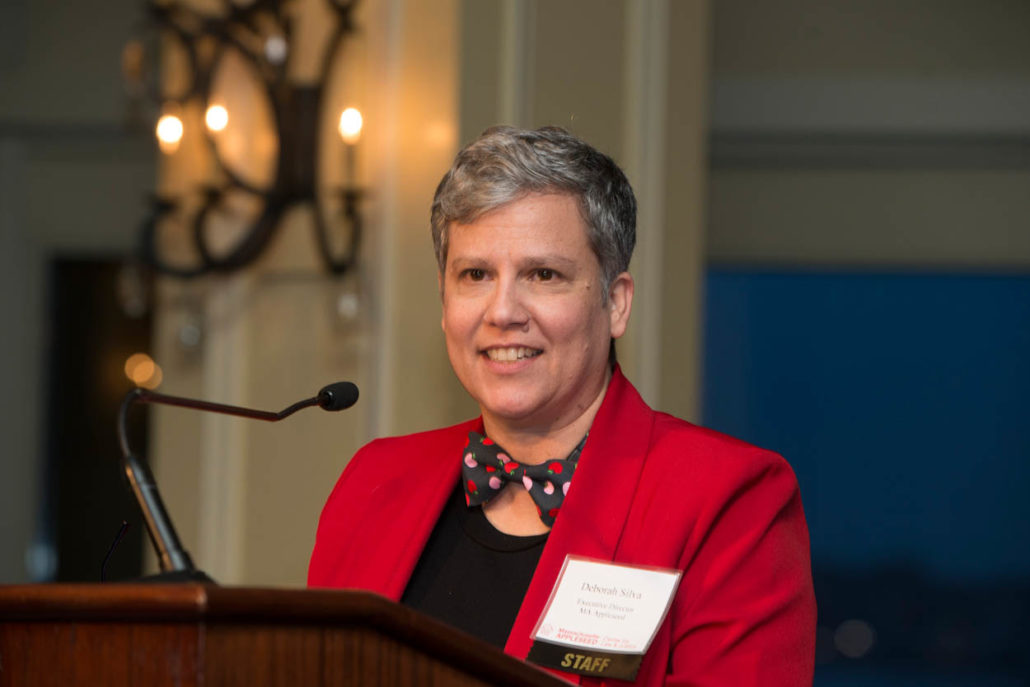
“It’s become increasingly clear that courthouse cell phones bans put litigants who are representing themselves at a serious disadvantage,” said Deborah Silva, Executive Director of the Massachusetts Appleseed Center for Law and Justice. “Attorneys can bring smart phones into courthouses, and they often store their clients’ phones so they can be accessed throughout the day, if needed. But pro se litigants do not have that option and so they cannot access proof of payments, agreements, and injuries that are stored on their phones in the form of email, text messages, and photos.”

Trial courts in Massachusetts permit the use of cell phones and other personal electronic devices provided that they are turned off or set to be silent before entering a courtroom. However, chief justices at individual courthouses may set further restrictions and currently 56 trial courts across the state do not allow anyone other than attorneys, jurors, and court personnel to bring cell phones into the courthouse.

Interviews with attorneys, litigants, and advocates for affected populations, such as people with low incomes, survivors of domestic violence, and people who speak a first language other than English found the following:

  • Litigants are often unaware of courthouse cellphone bans until they arrive at court. A few courthouses offer safe storage of phones and other electronic devices in secure lockers, but most do not.
  • When faced with the option of missing their court appointment if they cannot get rid of their phone, litigants have resorted to hiding their phones in bushes around the courthouse, leaving a phone with a cab driver, and even stashing their phone in the bag of a bicycle locked up outside the courthouse. Outside busy courthouses, some vendors have started phone storage businesses. This works for some litigants, but others cannot afford to pay for storage.
  • Self-represented litigants who are able to store their phones outside the courthouse are often hindered without them in the courtroom because they do not have access to evidence stored on their phones that support their legal claims. Phones are also necessary for coordinating translation services and using hearing assistance apps.

Cell phone bans were originally put in place to prevent individuals from recording victims, witnesses, jurors, or court employees for the purpose of threatening or intimidating them, or even broadcasting courtroom proceedings to people outside the courtroom. While the report acknowledges that these may be legitimate concerns in certain instances, an examination of policies and practices in other states, finds that there are ways to ensure safety without disadvantaging self-represented litigants. Examples of policies in courts in Massachusetts and other states that permit cell phones in courthouses include permitting their use in the courtroom but confiscating them if they are used improperly; designating courthouse spaces in which cell phones can be used; and providing secure lockers to safely store cell phones.

“Cell phones have become an integral part of daily life for most people and banning their use in public spaces such as courthouses has serious consequences,” Silva added. “Living in a democratic society demands a constant balance of security with liberty. Cell phone bans have outlived their usefulness and we need new policies to ensure that everyone who enters a Massachusetts courtroom enjoys the promise of access to justice.”

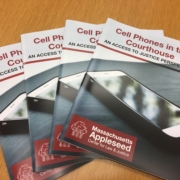
The report, “Cell Phones in the Courthouse: An Access to Justice Perspective,” is available online: https://massappleseed.org/wp-content/uploads/2018/07/Cell-Phones-in-the-Courthouse.pdf.

About the Massachusetts Appleseed Center for Law and Justice:

Massachusetts Appleseed’s mission is to promote equal rights and opportunities for Massachusetts residents by developing and advocating for systemic solutions to social justice issues. Working with volunteer lawyers, community partners, and others, we identify and address gaps in services and opportunities in areas such as education, homelessness, and the court system. Through in-depth research, consensus building, and community problem solving, we develop powerful solutions for reforming the systems and structures responsible. Our work seeks to level the playing field and transform communities.
For Immediate Release

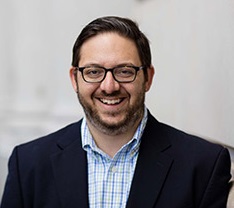
Micah W. Miller
Associate at Nutter, McClennen & Fish LLP

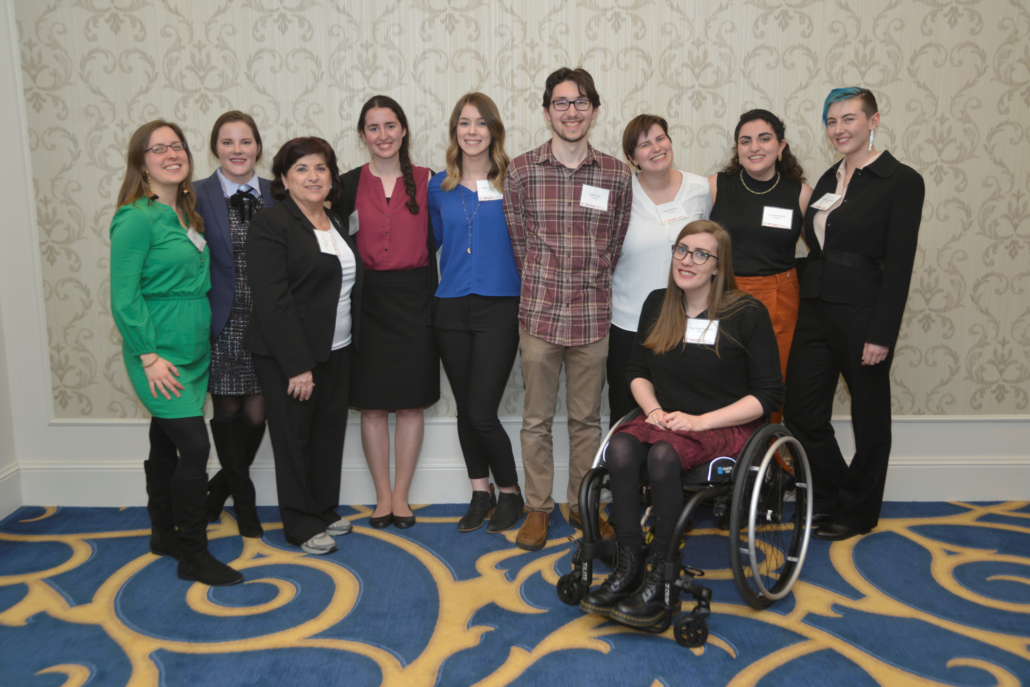
Boston, MA – Massachusetts Appleseed Center welcomed Micah W. Miller, Associate at Nutter, McClennen & Fish LLP, to its Board of Directors at the Annual Meeting on June 12, 2018. The Massachusetts Appleseed Center for Law and Justice, a non-profit organization that advocates for systemic reform in areas such as education, youth homelessness, and access to justice, is pleased to have Mr. Miller, an enthusiastic and thoughtful advocate, join the organization.

Micah W. Miller is an associate in Nutter’s Litigation Department. Drawing on his experience as a software engineer, Mr. Miller frequently counsels clients on patent matters and disputes in a broad range of technologies. He is committed to pro bono work and has worked with the Victim Rights Law Center and the Middlesex District Attorney’s Office Domestic Violence Pro Bono initiative, where he has assisted several pro bono clients in obtaining abuse prevention orders.

“MA Appleseed has a long history of doing important and impactful work,” said Micah Miller. “I am very grateful for the opportunity to serve on its board, and I look forward to helping MA Appleseed continue to tackle systemic issues that deny so many access to justice and opportunity.”

“We are delighted to welcome Micah to MA Appleseed,” said Martha Mazzone, chairperson of the Board of Directors. “Micah is one of those rare people who finds the time to serve as a trusted counsel to his clients AND take on extensive pro bono work advocating on behalf of indigent clients. He models what Appleseed was founded on – that the commitment of our legal communities to social justice can make a true difference.”

At the June 12th meeting, members of the Board also unanimously re-elected officers Martha A. Mazzone (Board Chair), Justin J. Wolosz (Vice Chair), Christopher Hoyle (Treasurer), and Sara J. Shanahan (Secretary).

About the Massachusetts Appleseed Center for Law and Justice:

Massachusetts Appleseed’s mission is to promote equal rights and opportunities for Massachusetts residents by developing and advocating for systemic solutions to social justice issues. Working with volunteer lawyers, community partners, and others, we identify and address gaps in services and opportunities in areas such as education, homelessness, and the court system. Through in-depth research, consensus building, and community problem solving, we develop powerful solutions for reforming the systems and structures responsible. Our work seeks to level the playing field and transform communities.

Innovators for Access to Justice Panel

A panel of innovators in access to justice will present immediately following the Massachusetts Appleseed Center for Law and Justice Annual Meeting.

Dan Jackson
NuLawLab
Northeastern University

Gabriel Teninbaum
Institute on Legal Innovation & Technology
Suffolk Law School

Bill Palin
Access to Justice/Technology Fellow
Harvard Law School


Join us to hear these experts from local law schools discuss their work using technology and other innovations to expand access to justice.

Date: Tuesday, June 12, 2018

Time: 5:30 pm – 6:30 pm

Location: Sherin and Lodgen LLP, 101 Federal Street, Floor 31, Boston, MA 02110

Northeastern University, Suffolk Law School, and Harvard Law School alumni are especially encouraged to attend!

The panelists’ presentation will be followed by a brief reception with refreshments.

Email Madeline at madeline@massappleseed.org to RSVP today!

Want to stay informed on the latest issues Massachusetts Appleseed is working on?
Sign up for our mailing list.

Honoring Senator William “Mo” Cowan, Vice President of Litigation and Legal Policy of GE

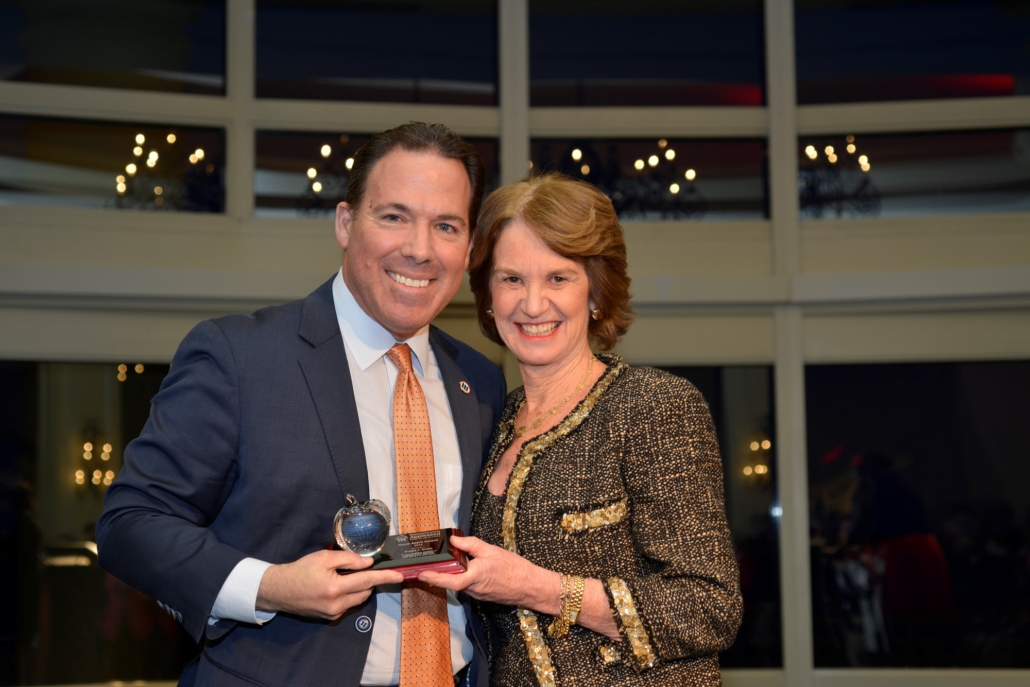
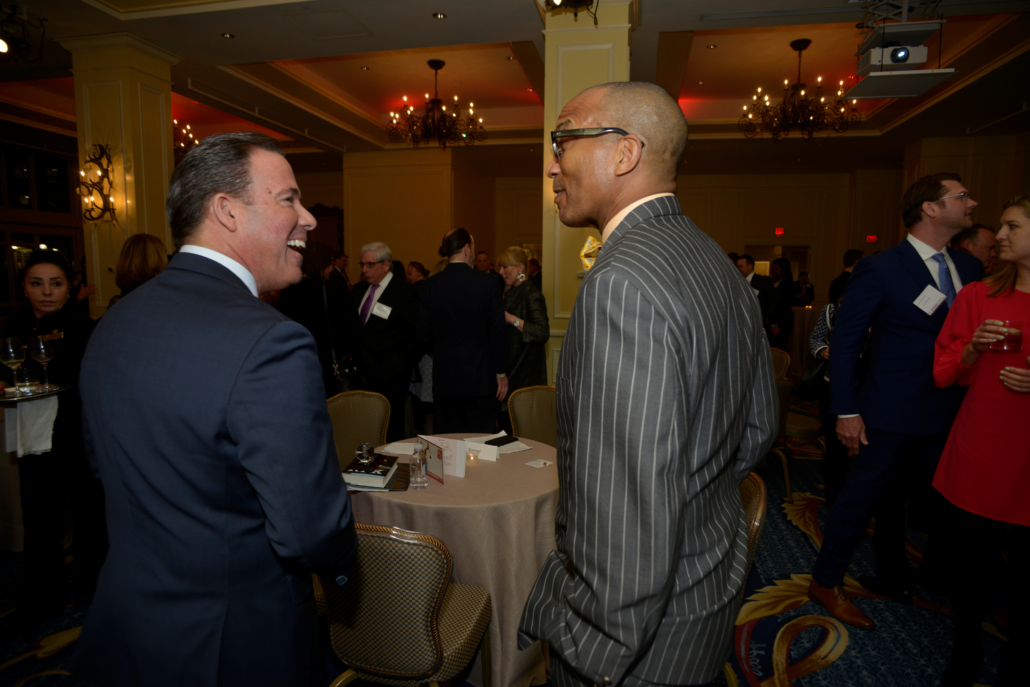
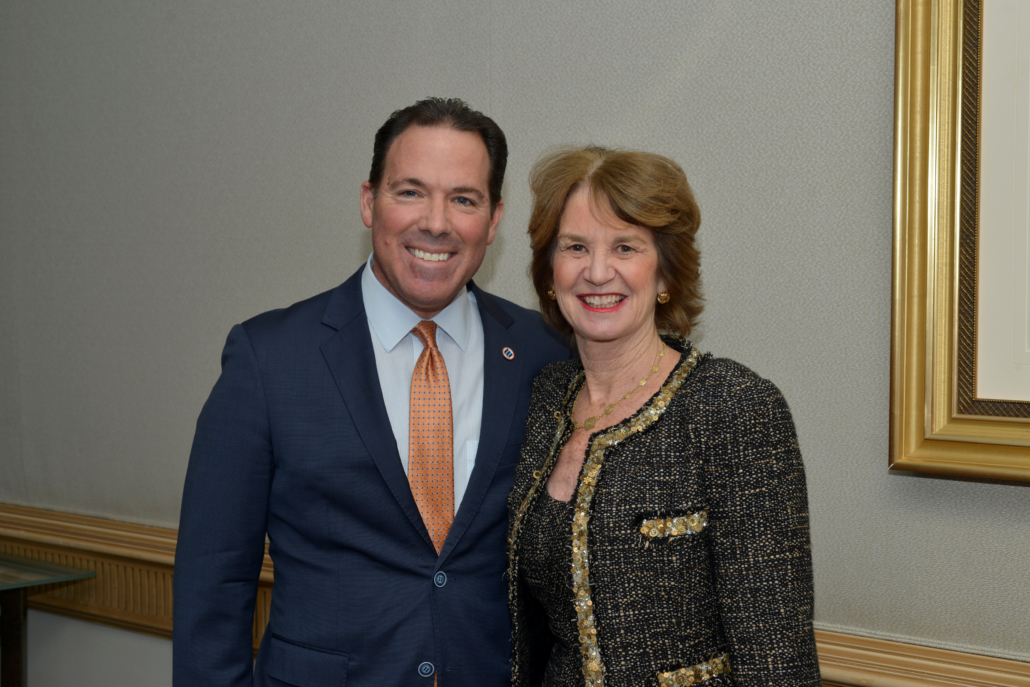
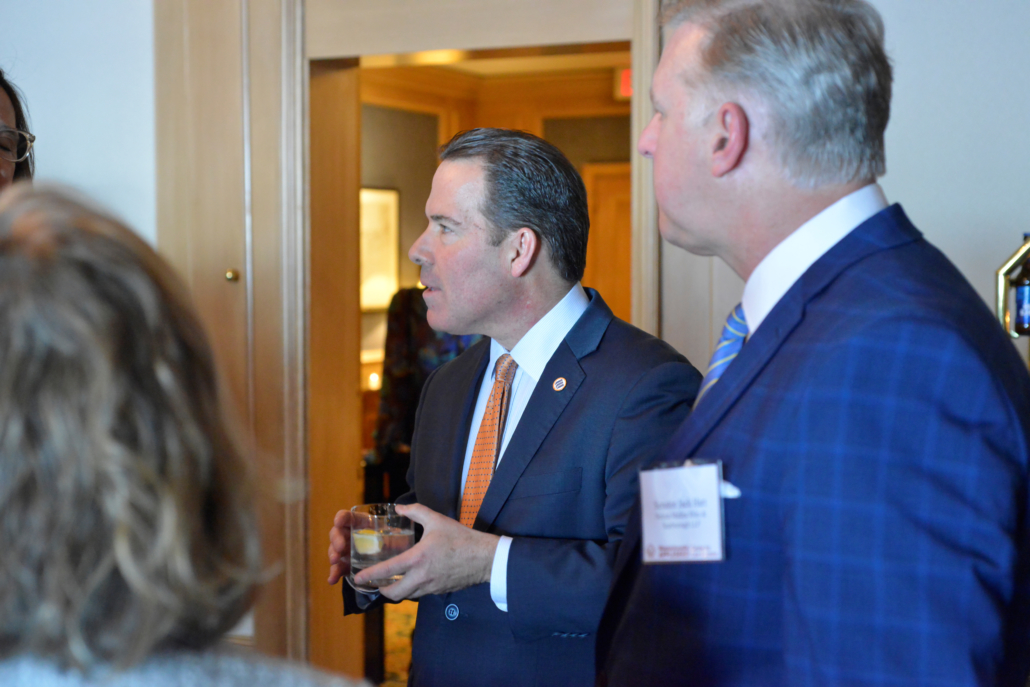
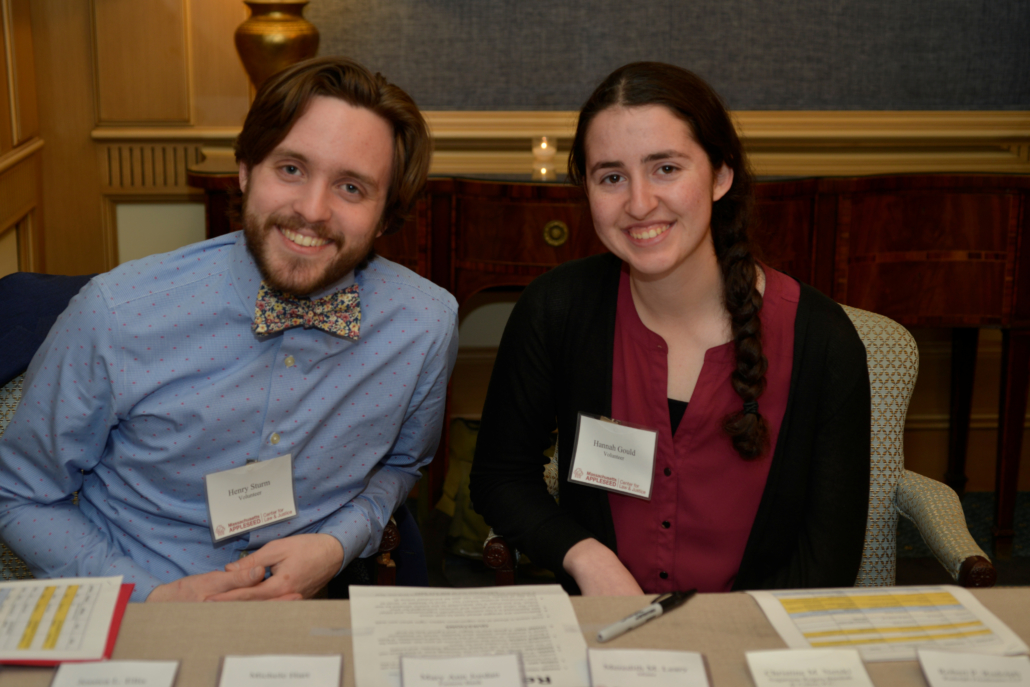
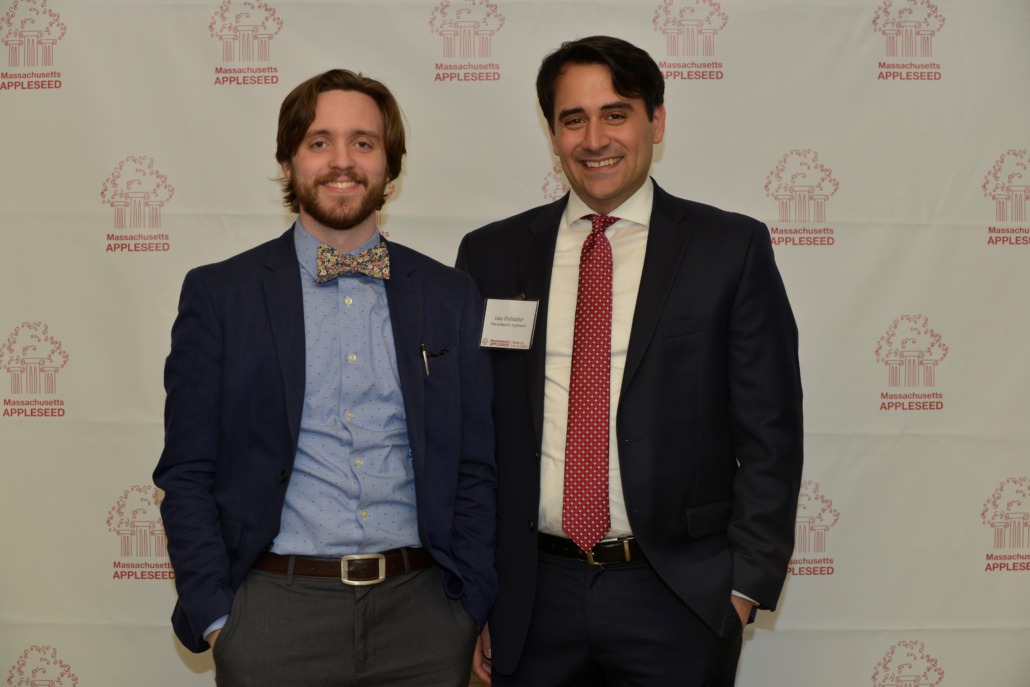
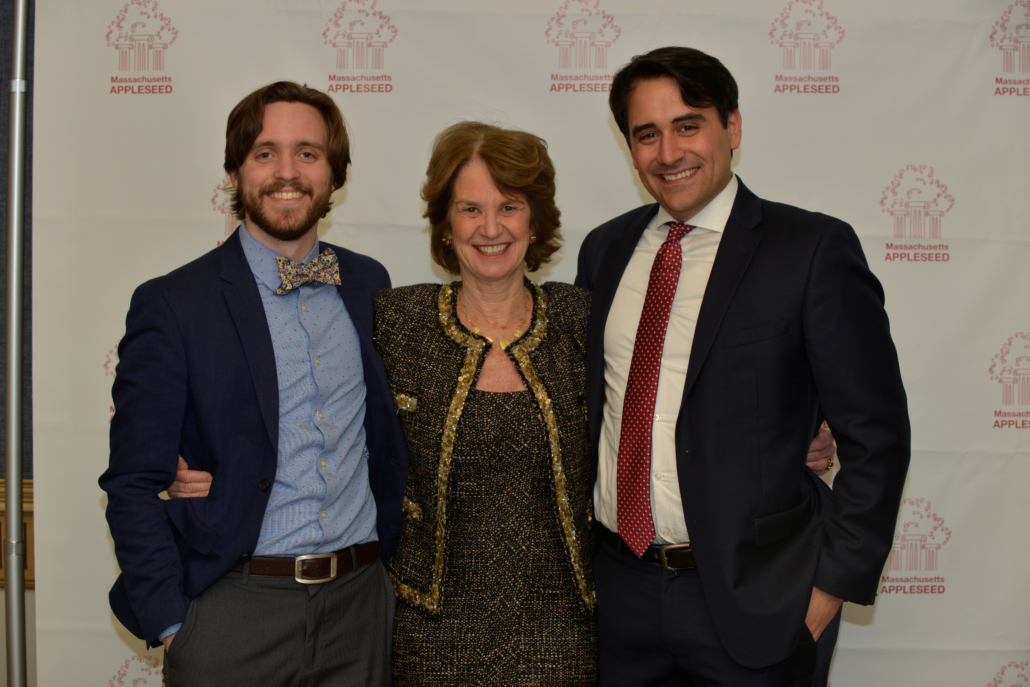
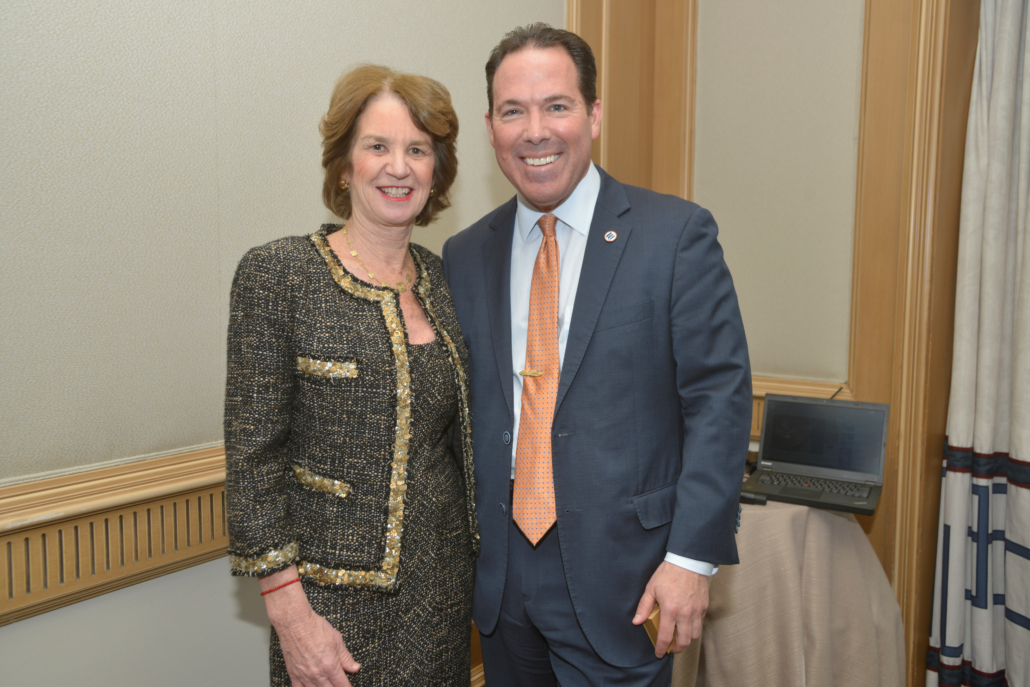
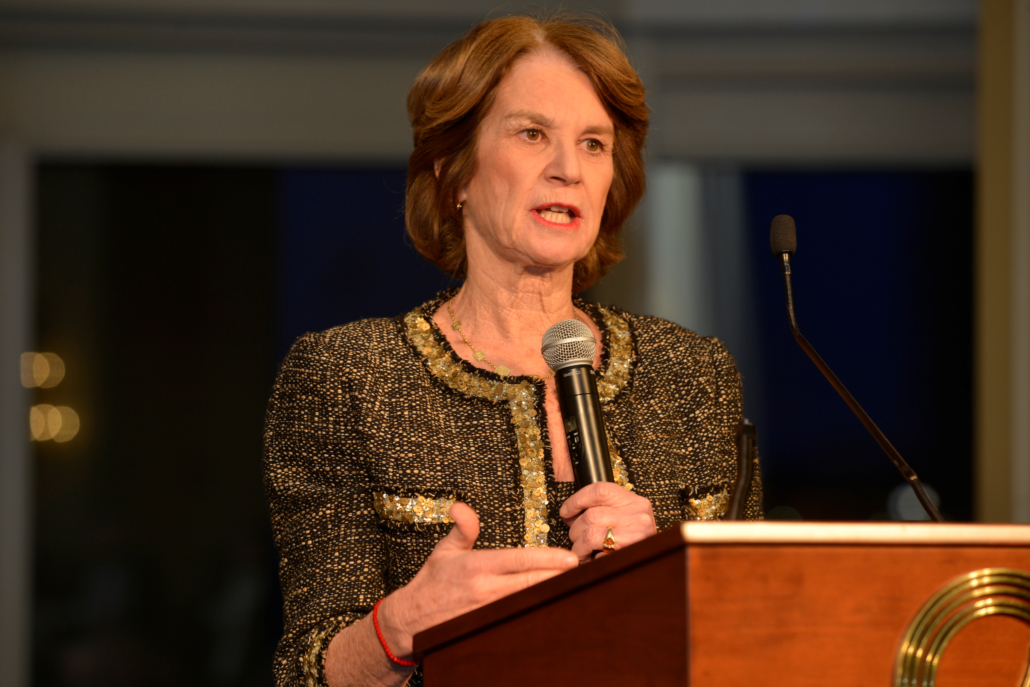
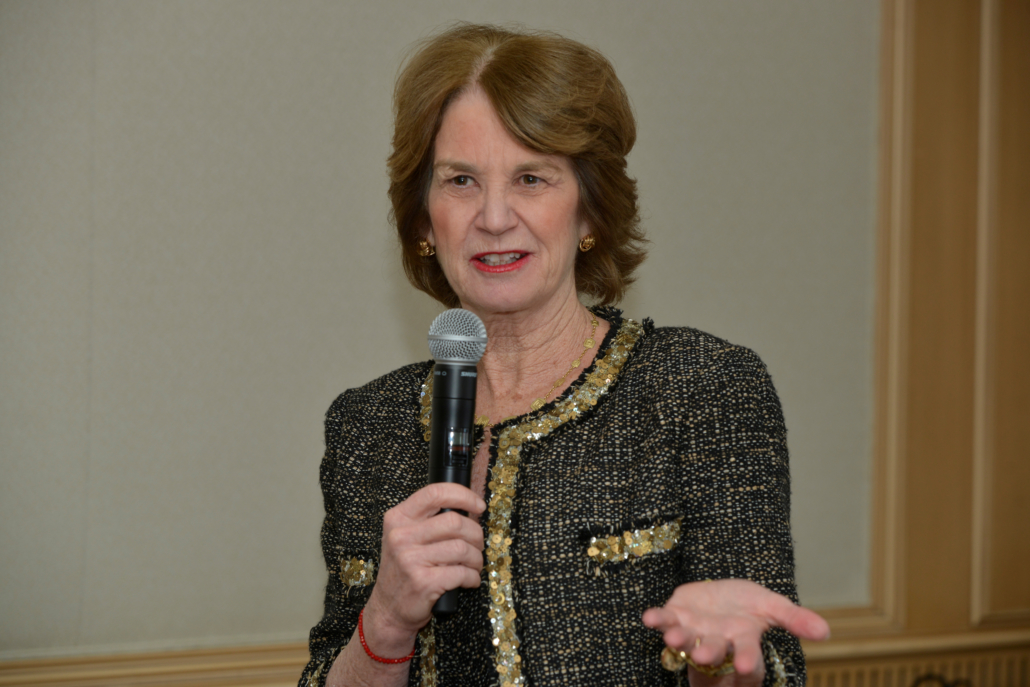
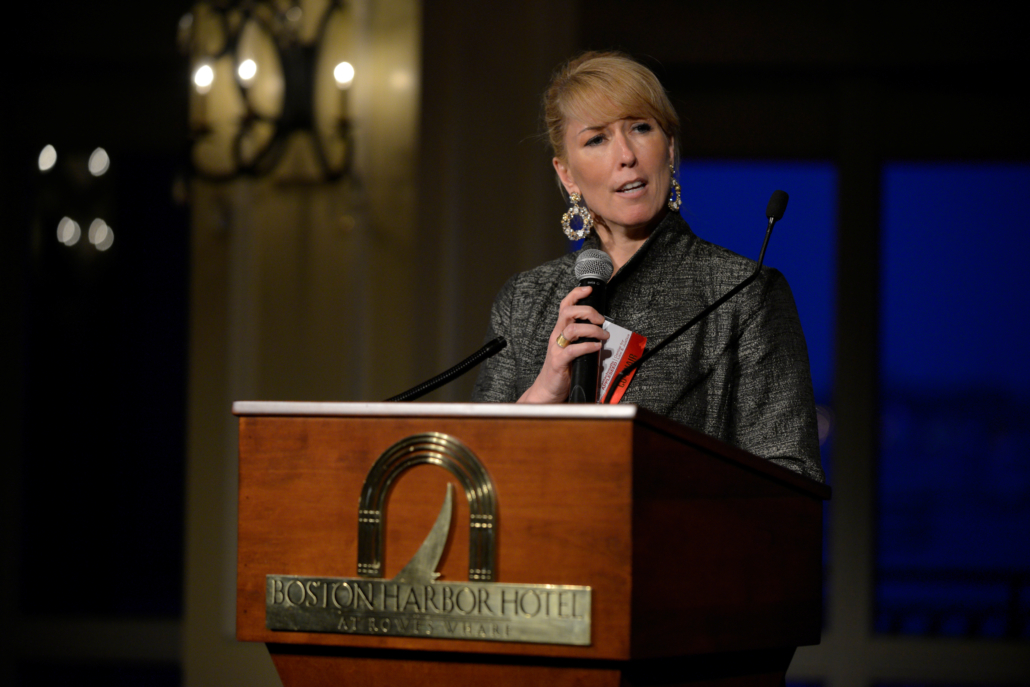
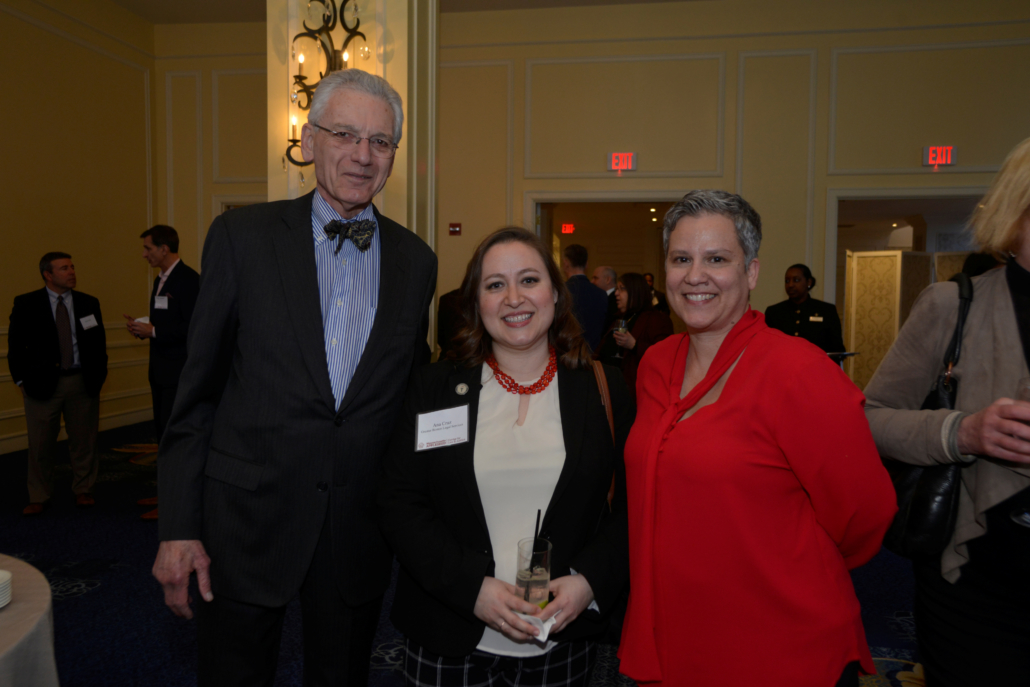
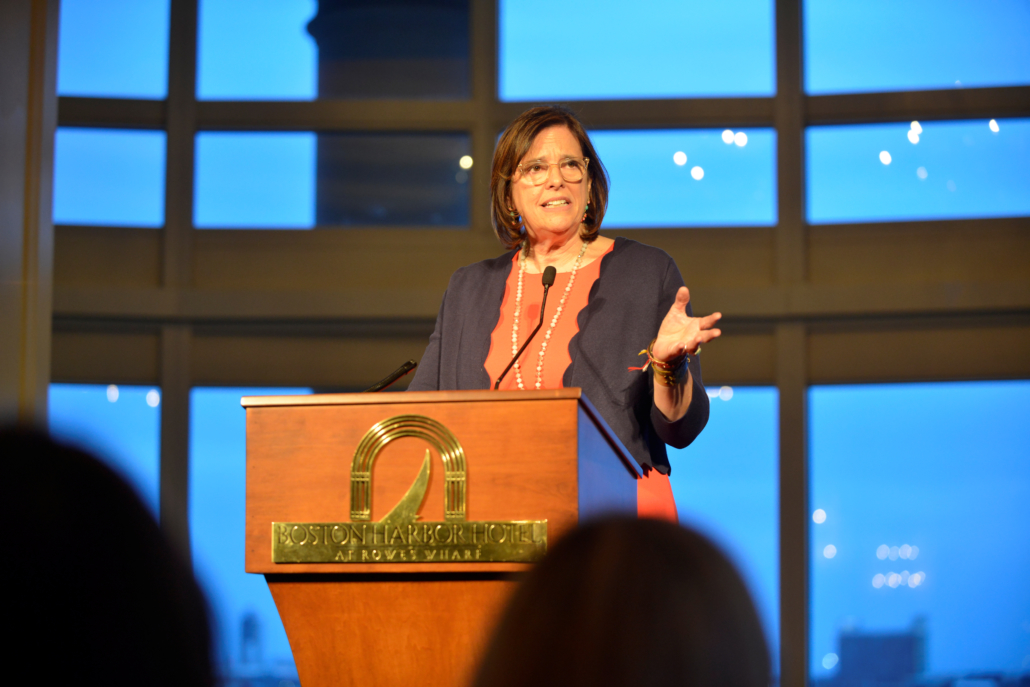
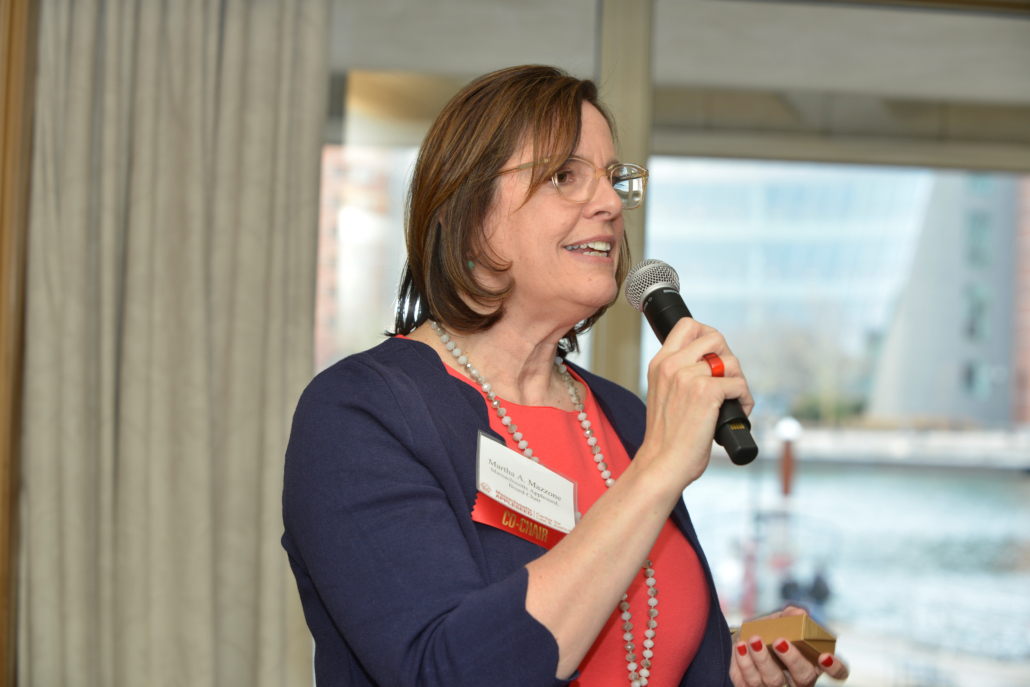
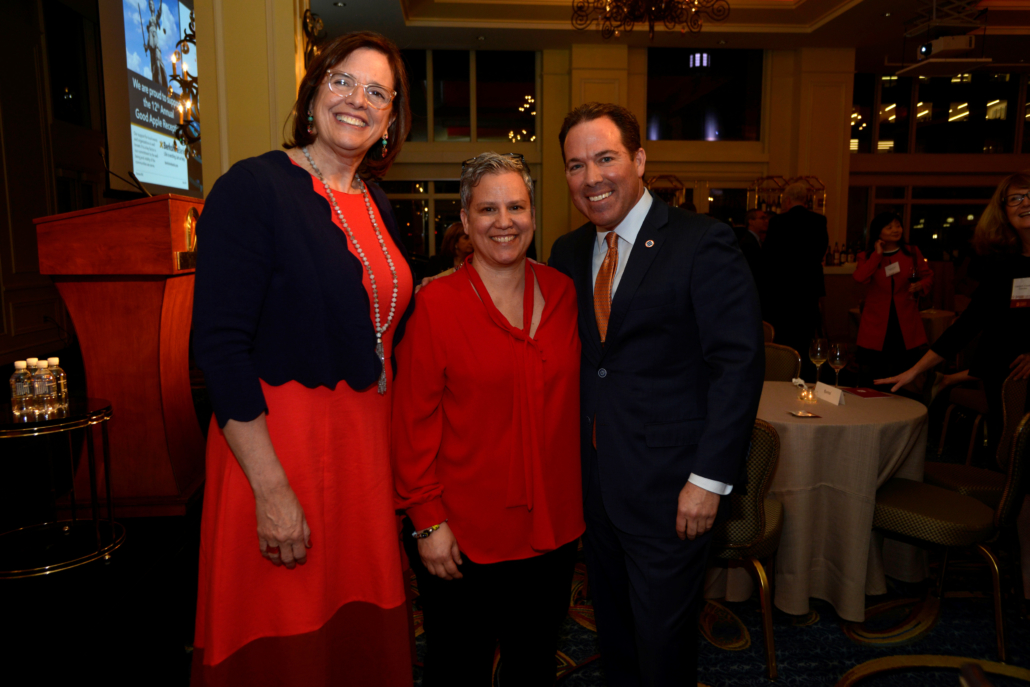
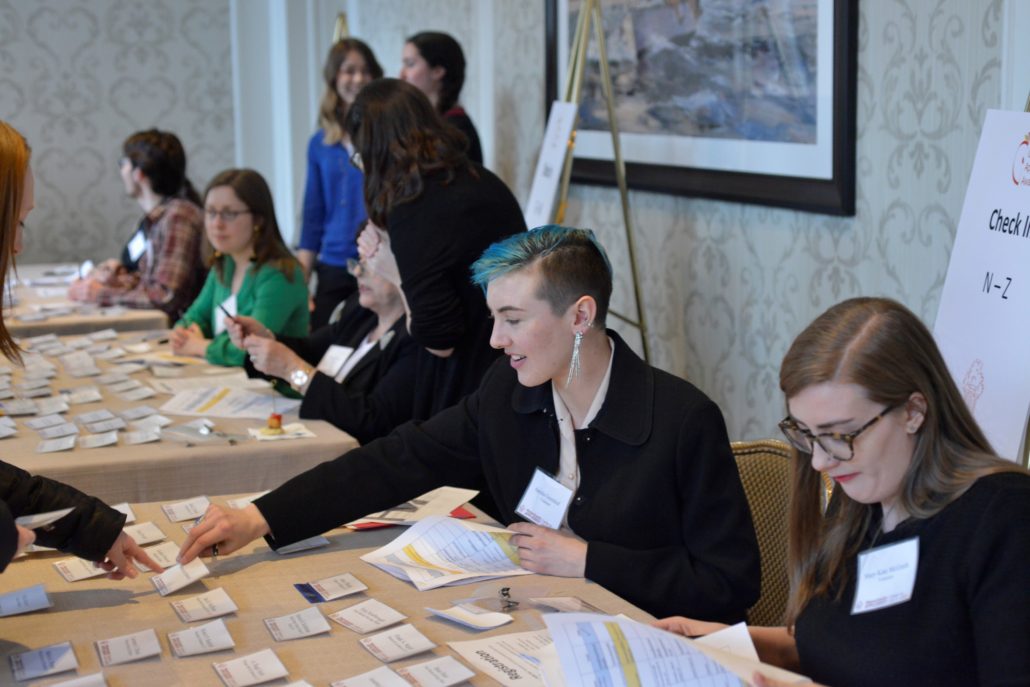
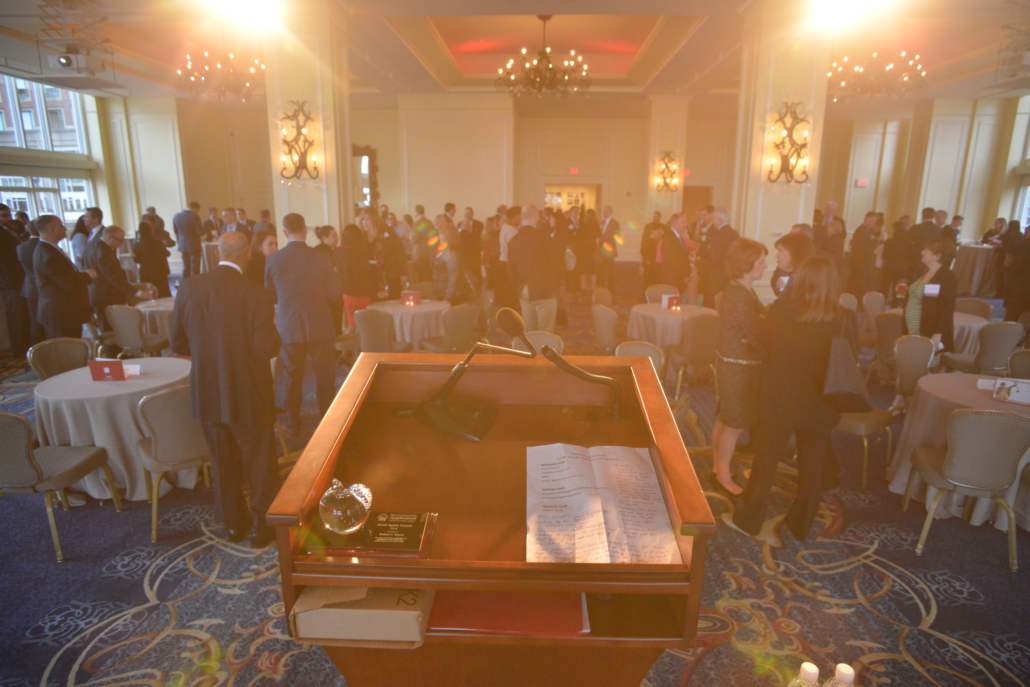
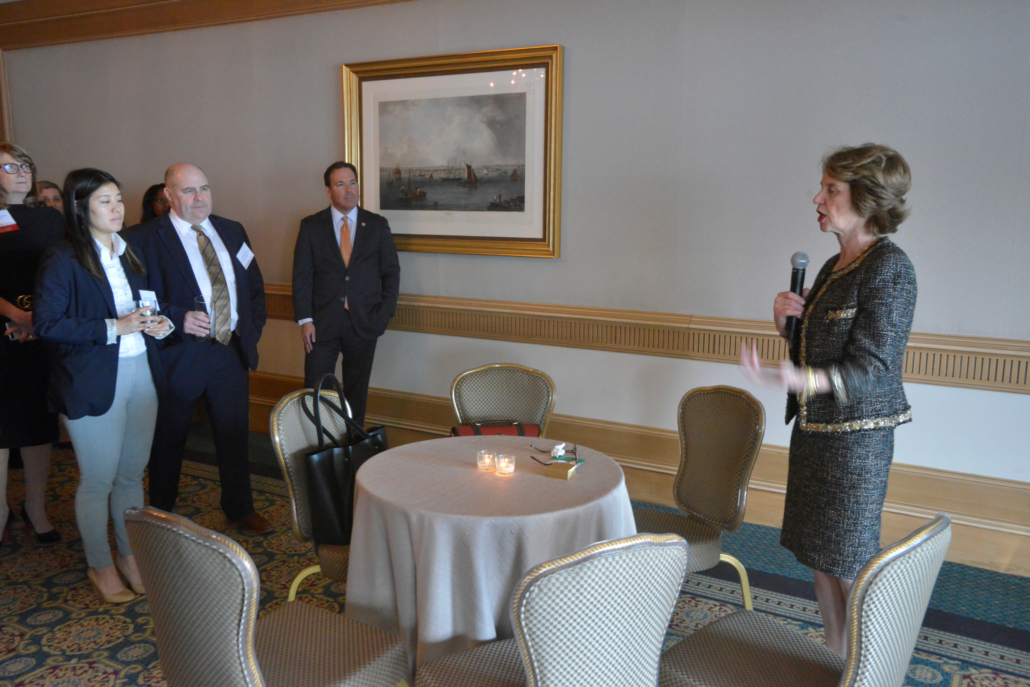
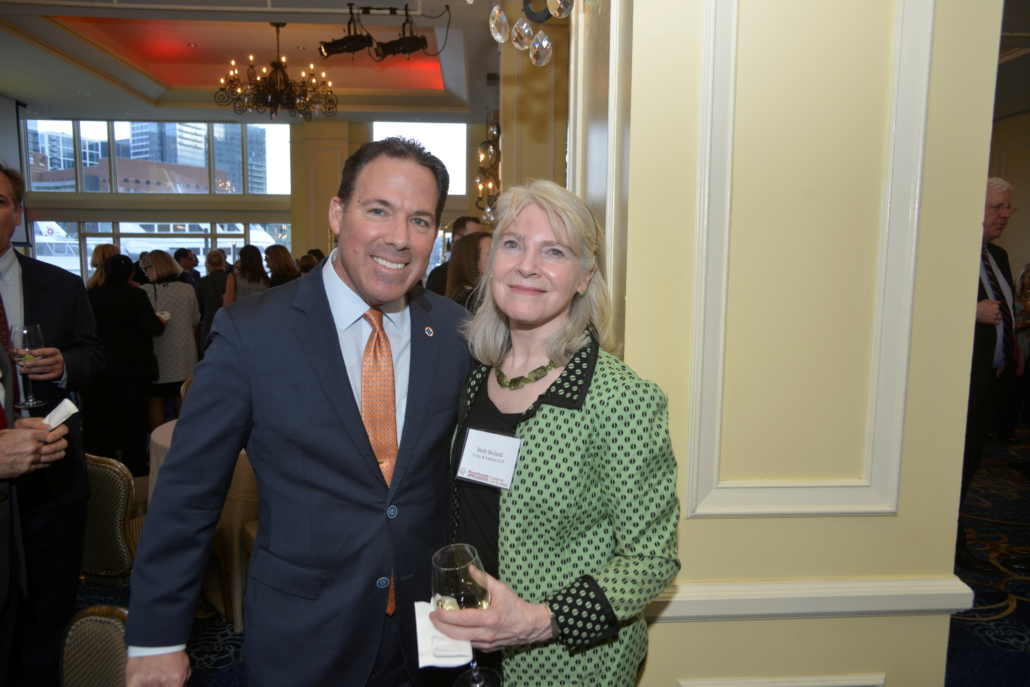
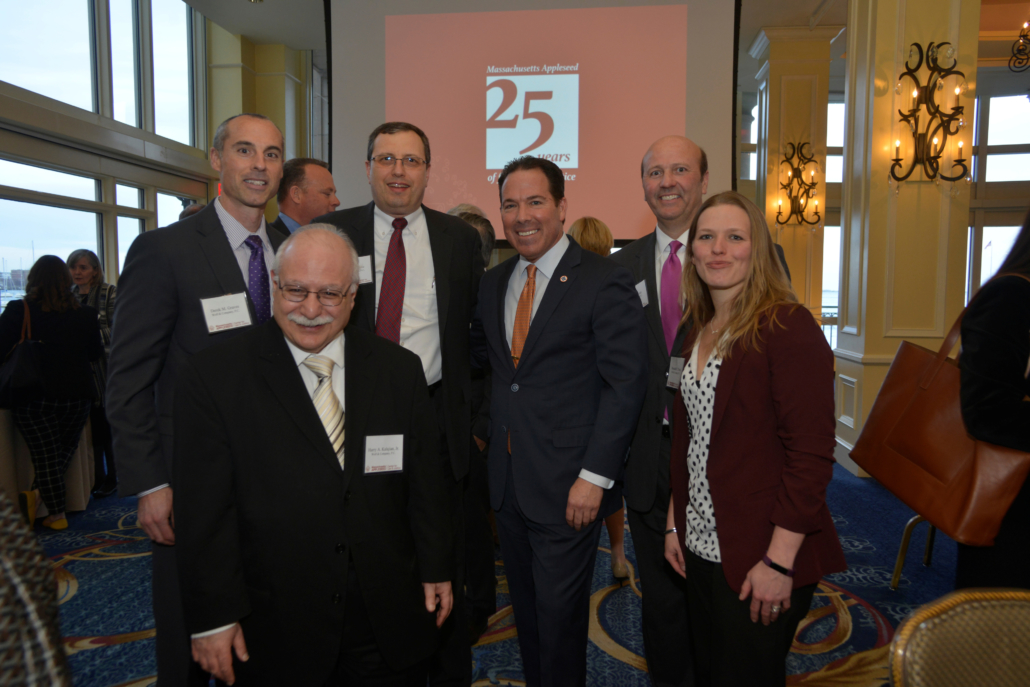
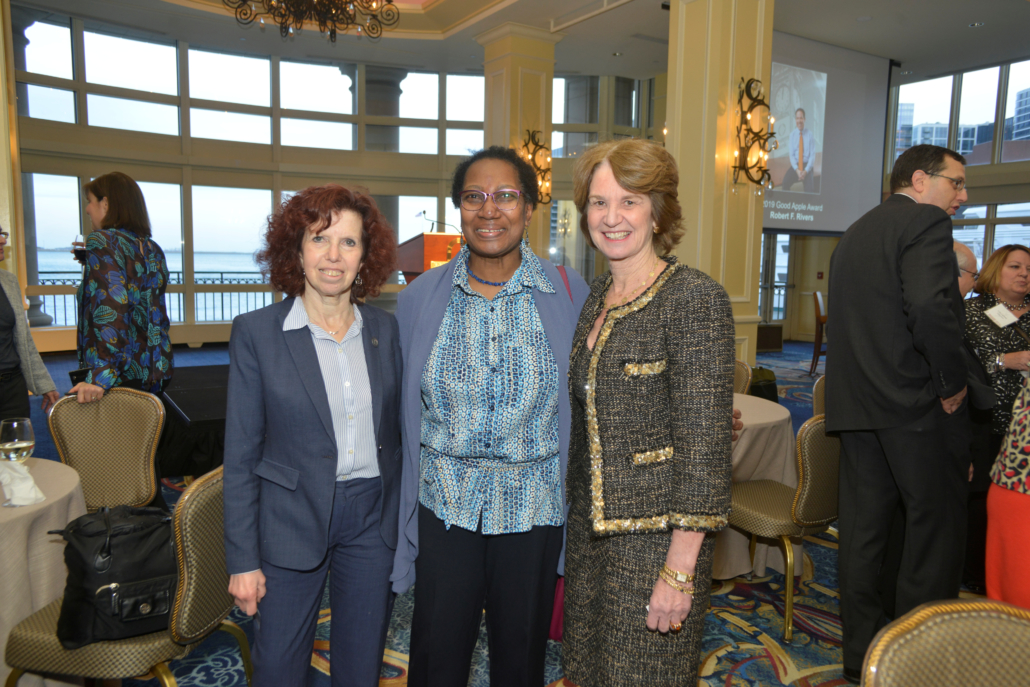
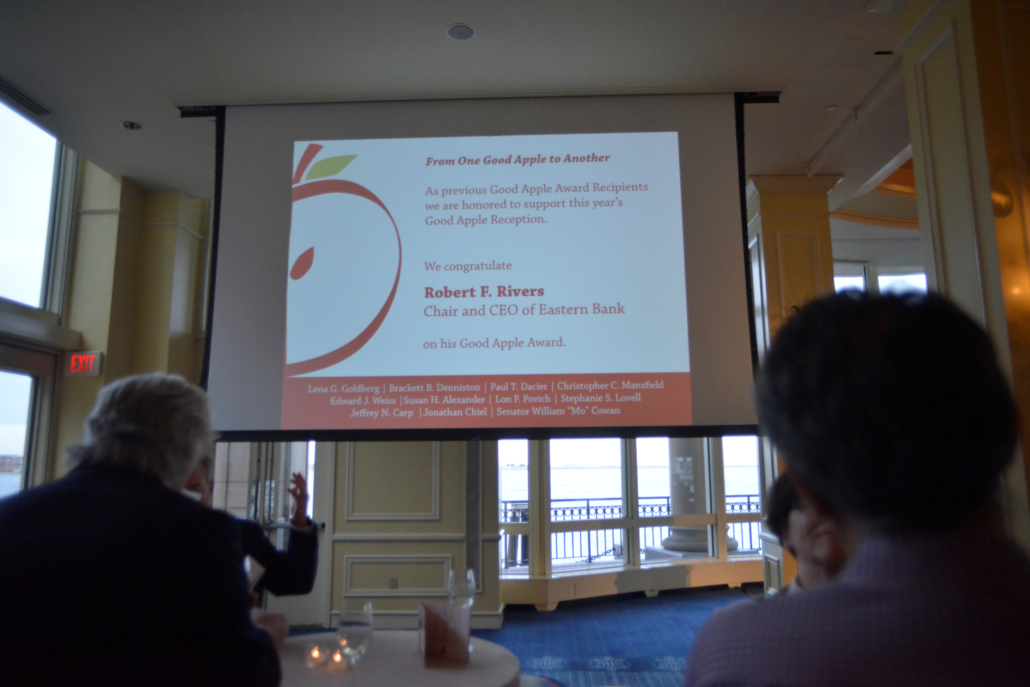
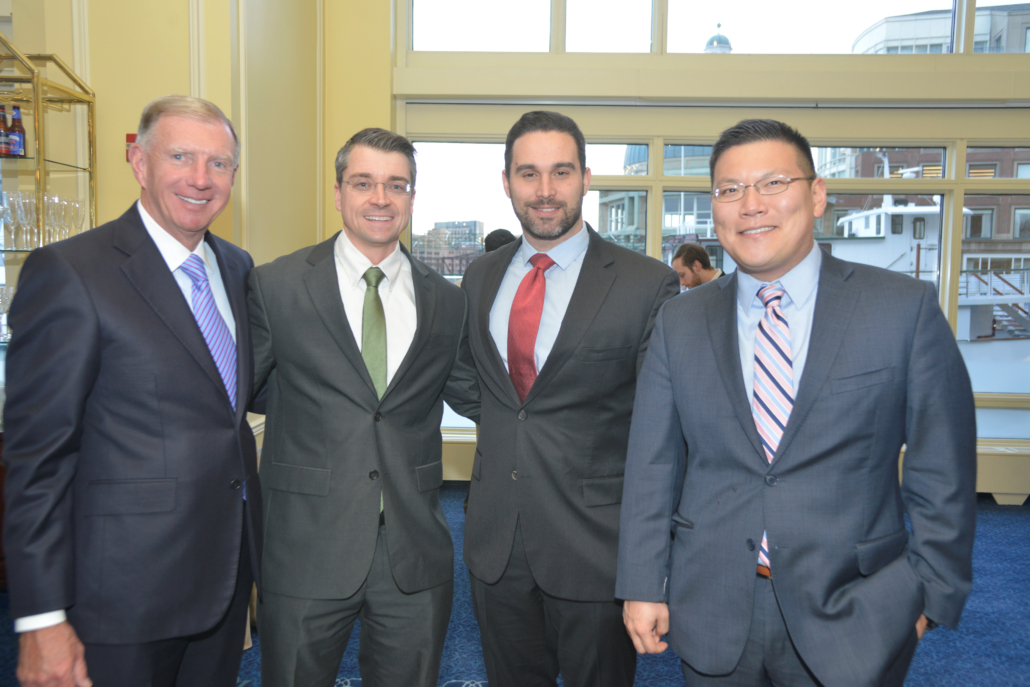
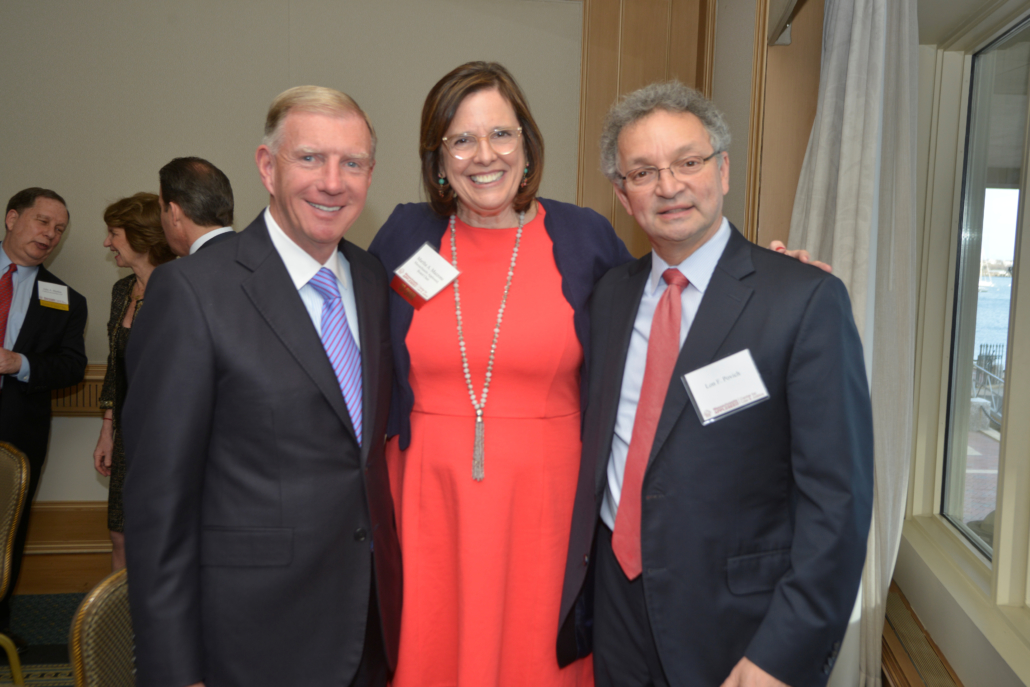
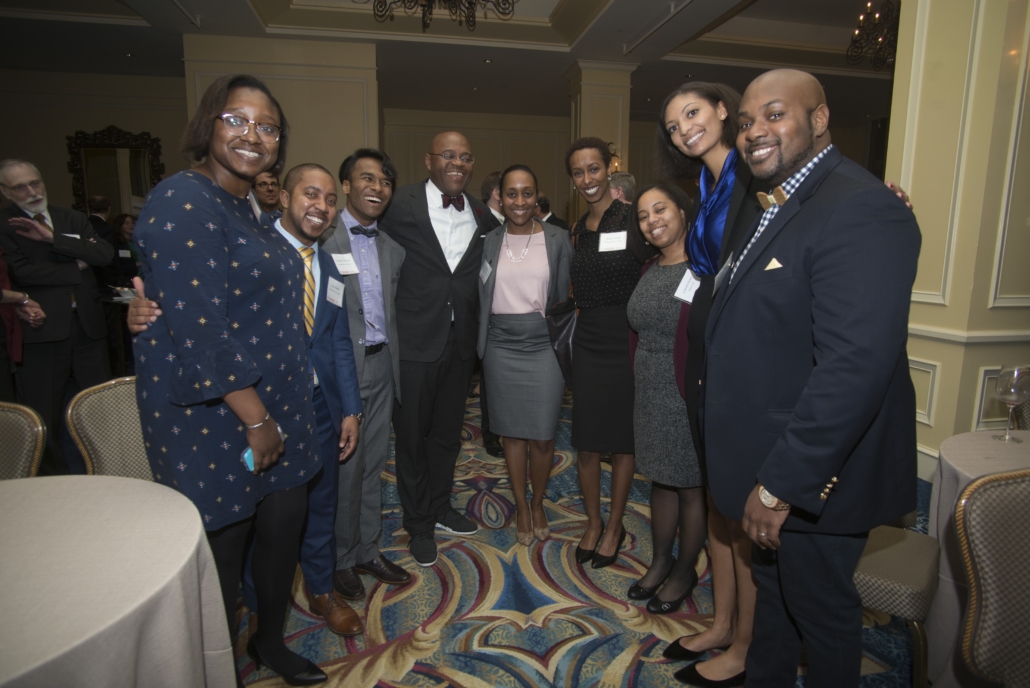
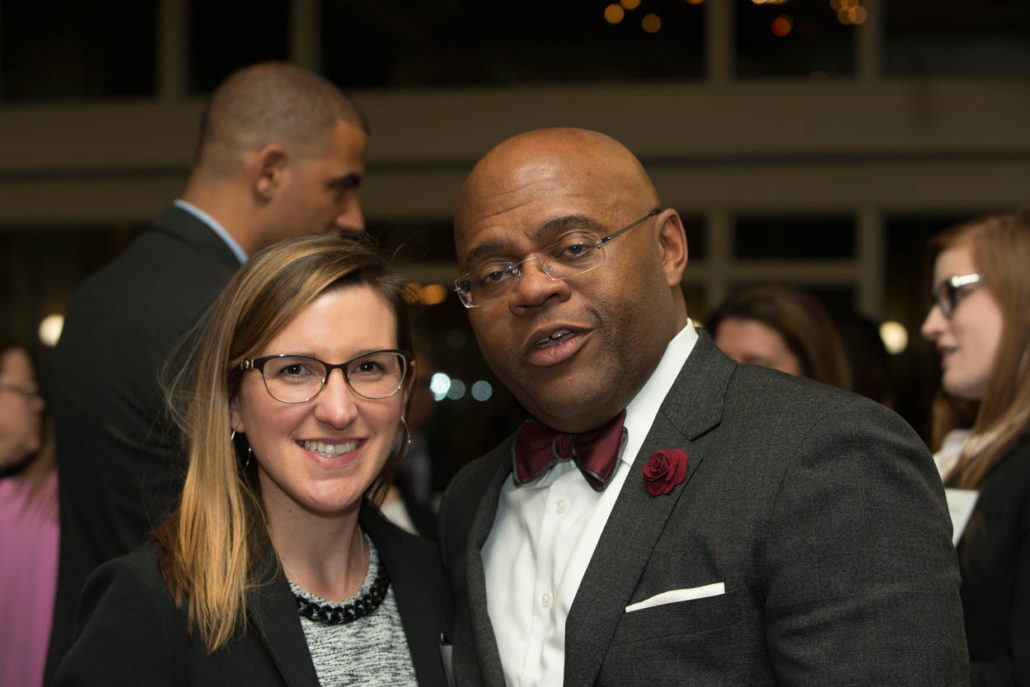
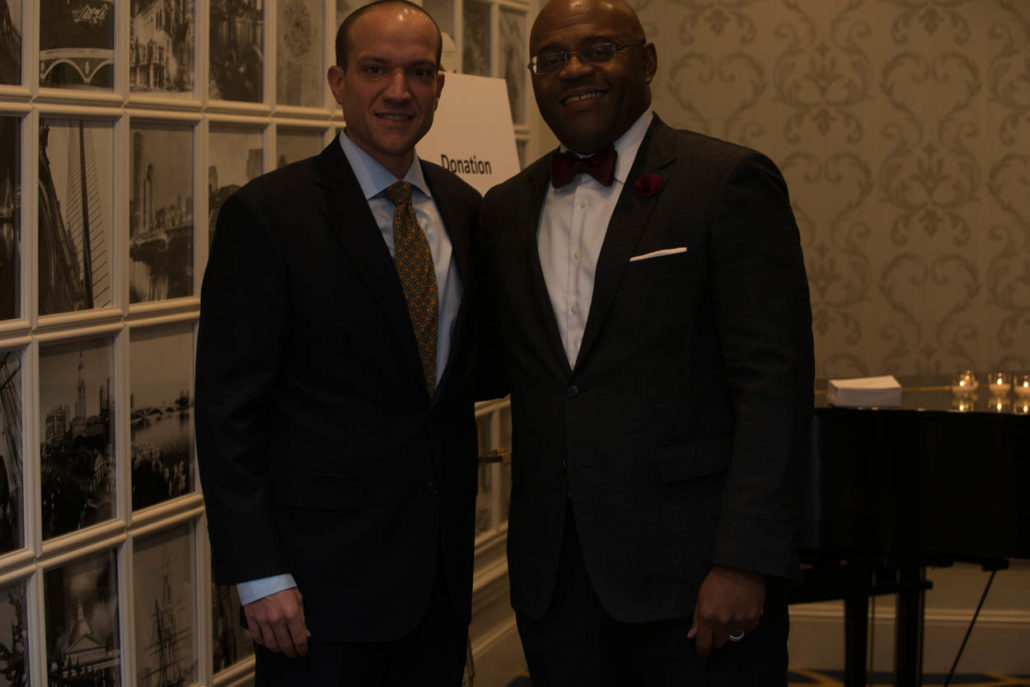
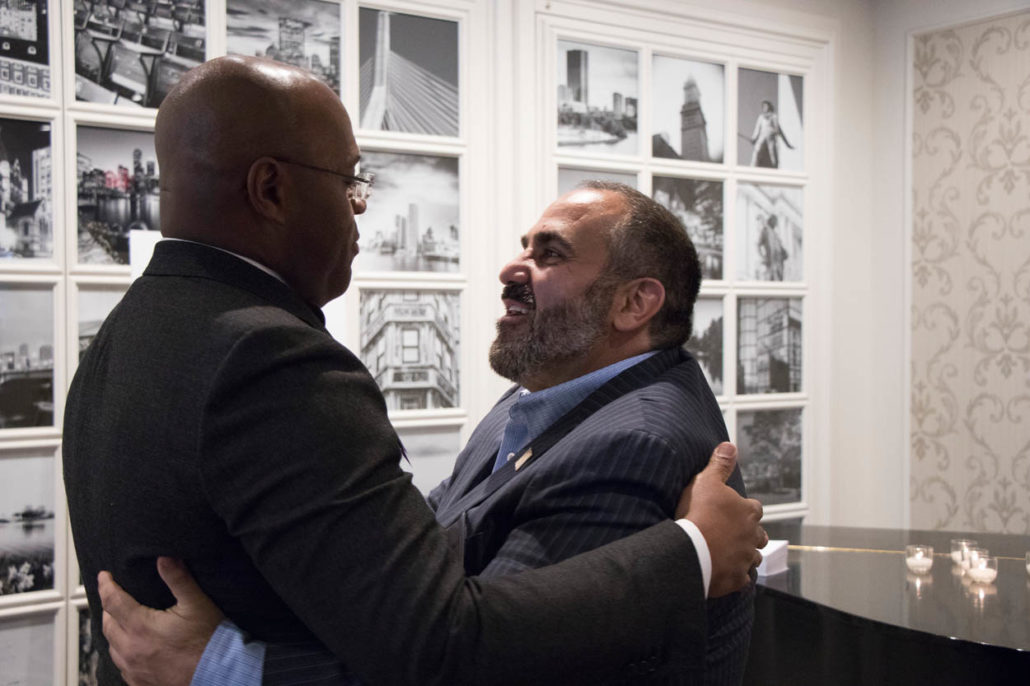
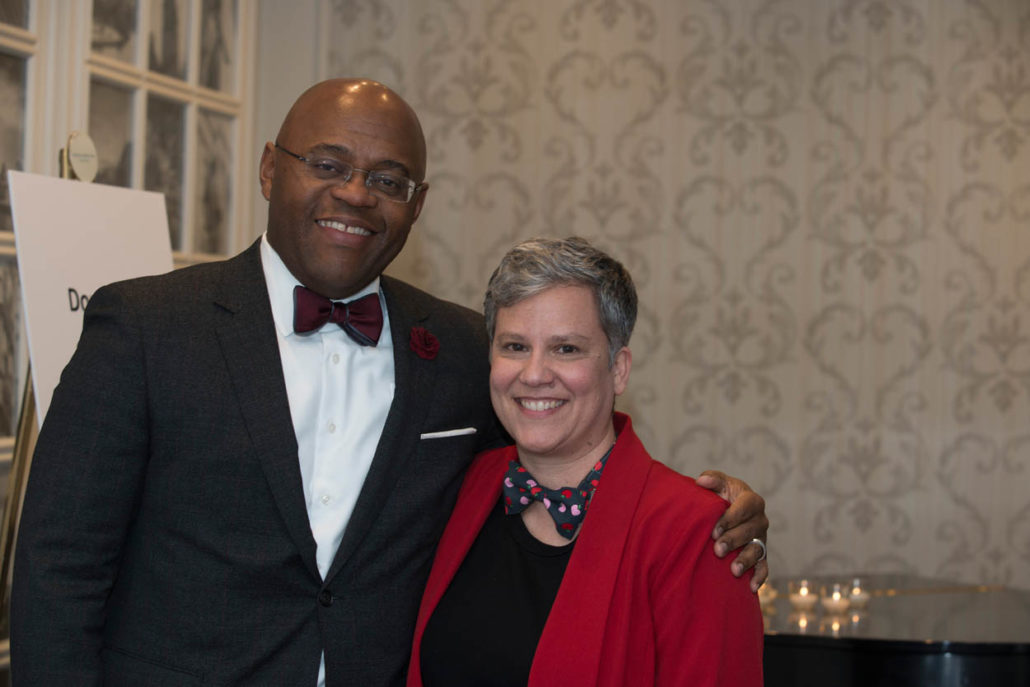
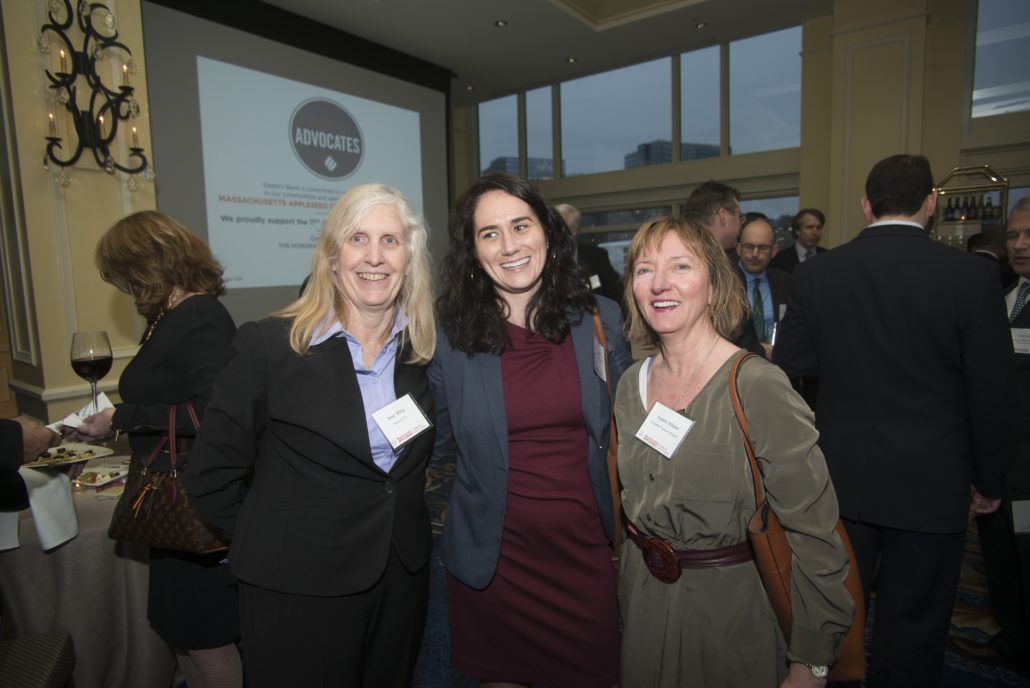
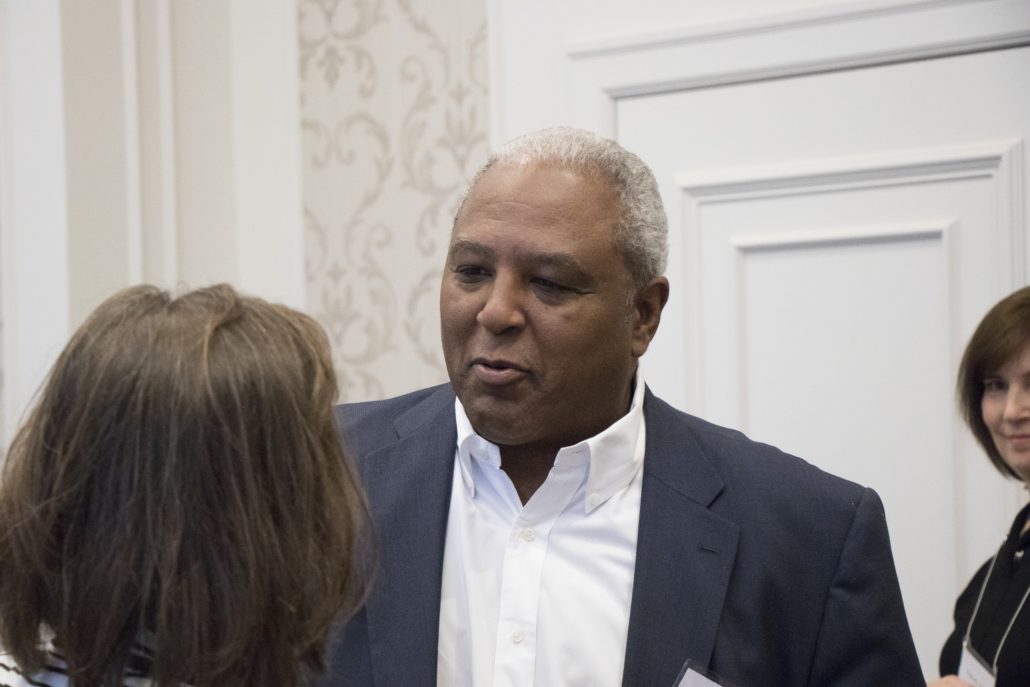
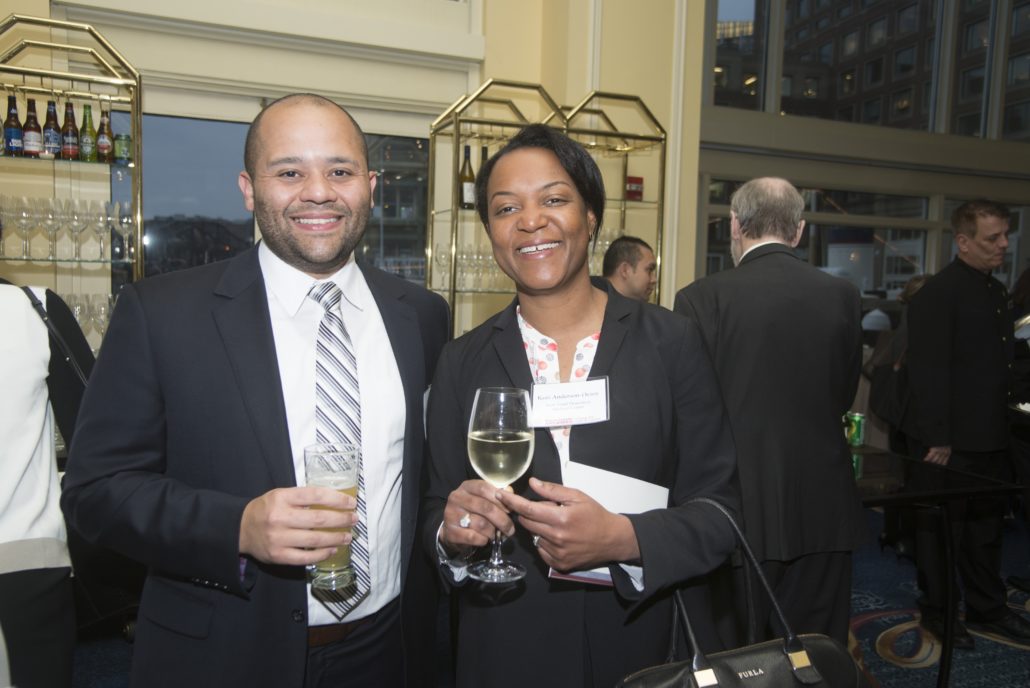
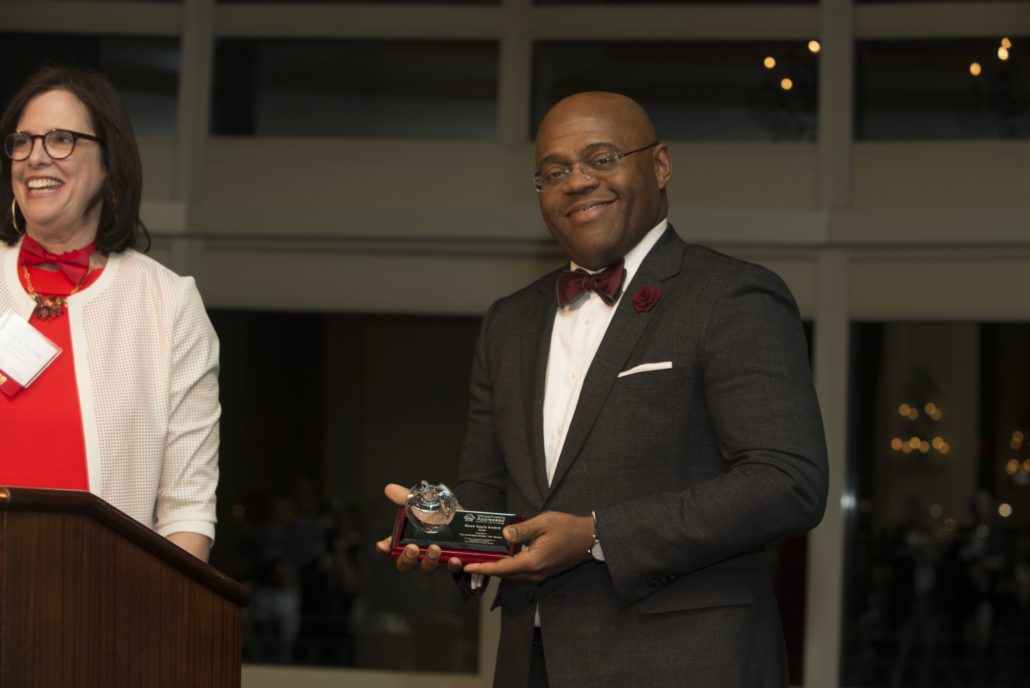
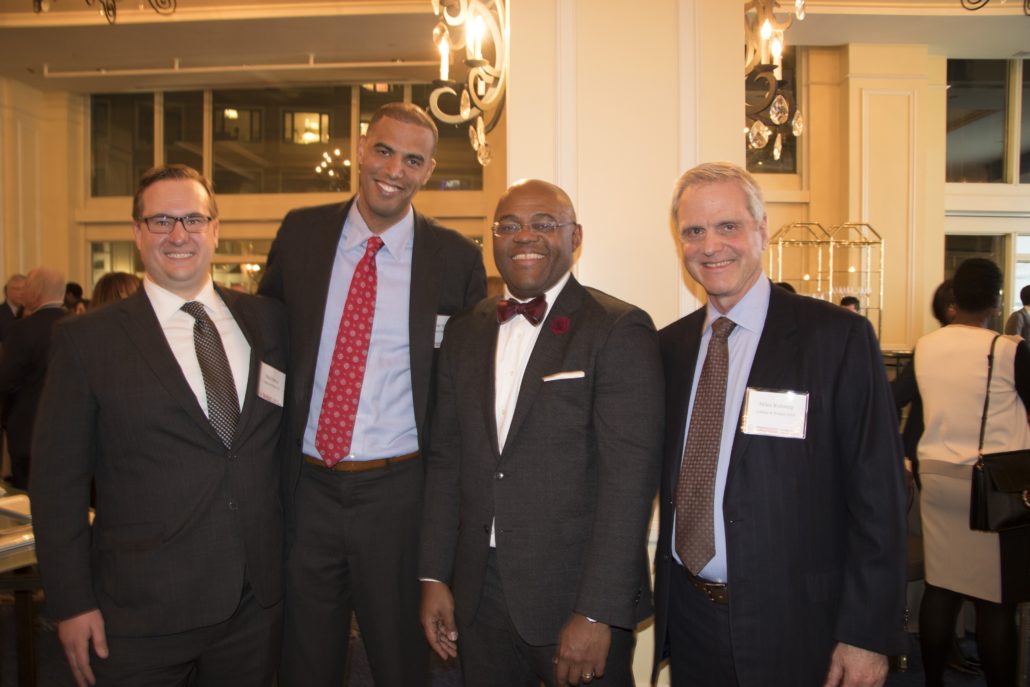
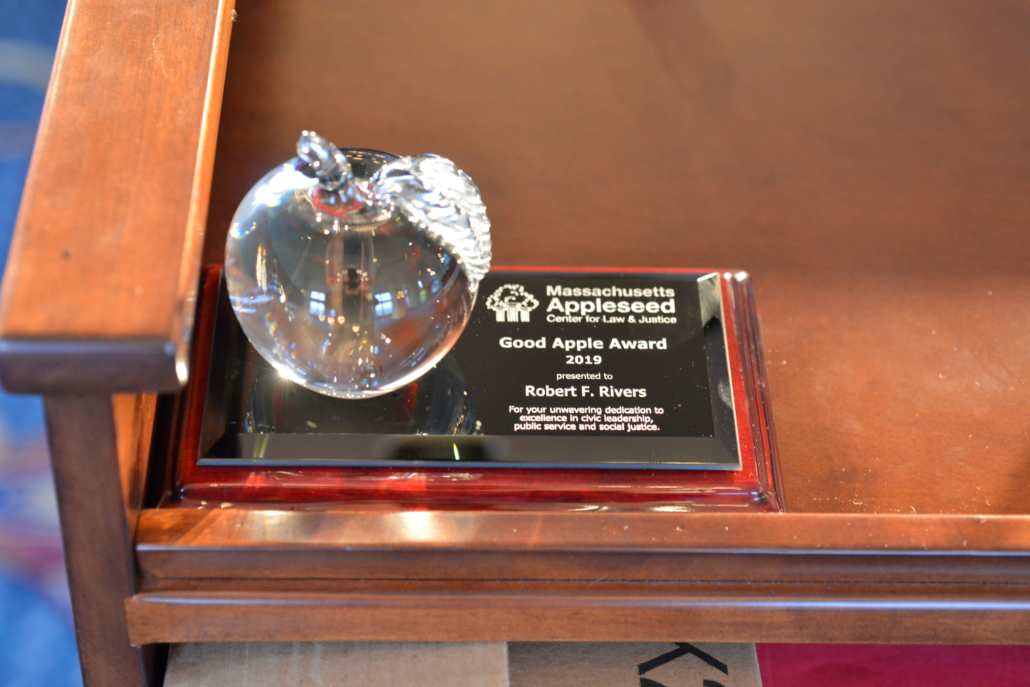
On March 29, 2018, the Massachusetts Appleseed Center for Law and Justice (“MA Appleseed”) honored former Senator William “Mo” Cowan with its 11th annual Good Apple Award. The event began with a reception, which began at 6:00 pm, in the Wharf Room at the Boston Harbor Hotel. Every year, MA Appleseed presents a “Good Apple” award to someone in the Massachusetts legal community who demonstrates the principles of social justice and equal opportunity that MA Appleseed was itself founded on. The event, which serves as Massachusetts Appleseed’s annual fundraiser, raises money to support the organization’s program and outreach efforts.


2018 Good Apple Award Recipient (PDF)
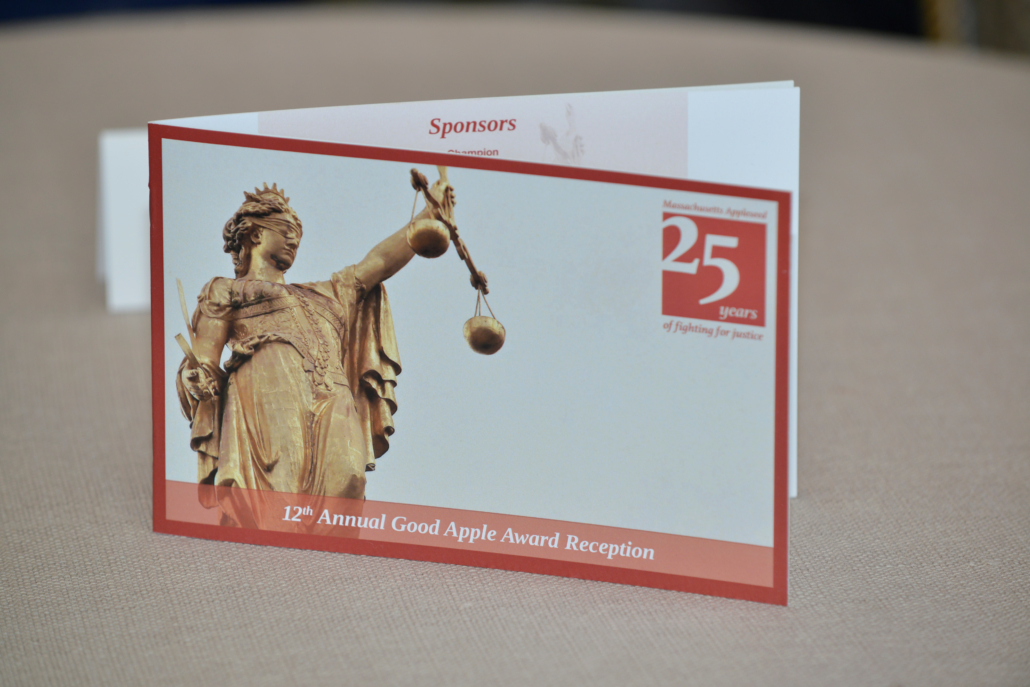
2018 Good Apple Invitation (PDF)


2018 Good Apple recipient Senator William "Mo" Cowan

2018 Good Apple recipient Senator William “Mo” Cowan

For Immediate Release

Honoring Senator William “Mo” Cowan, Vice President of Litigation and Legal Policy of GE

Boston, MA – On March 29, 2018, the Massachusetts Appleseed Center for Law and Justice (“MA Appleseed”) honored former Senator William “Mo” Cowan with its 11th annual Good Apple Award. The event began with a reception, which began at 6:00 pm, in the Wharf Room at the Boston Harbor Hotel. Every year, MA Appleseed presents a “Good Apple” award to someone in the Massachusetts legal community who demonstrates the principles of social justice and equal opportunity that MA Appleseed was itself founded on. The event, which serves as Massachusetts Appleseed’s annual fundraiser, raises money to support the organization’s program and outreach efforts.

“We are thrilled and proud to present Senator Cowan with this year’s Good Apple Award,” said Martha Mazzone, chair of the Board of Directors of MA Appleseed. “Mo’s commitment to inclusion, justice and civic engagement – don’t turn your back on the system, work to improve it – mirrors the Appleseed mission perfectly. Add in his dedication to the Boston legal community, his huge circle of friends and family and colleagues and mentees, and he’s the perfect Good Apple recipient. Everyone wants a chance to say thank you to Mo.”

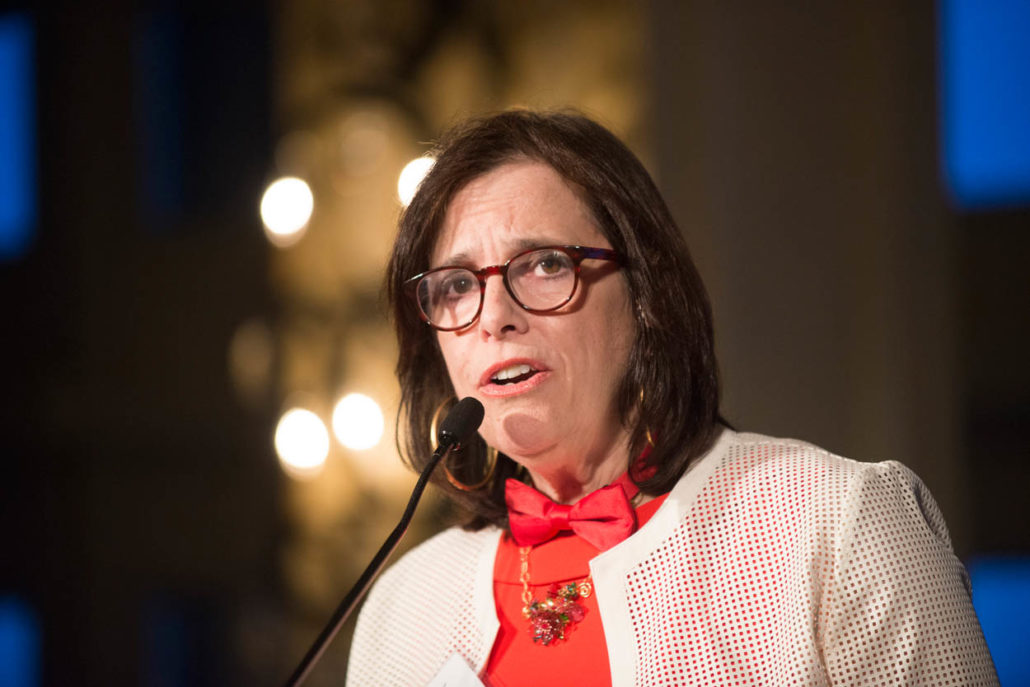
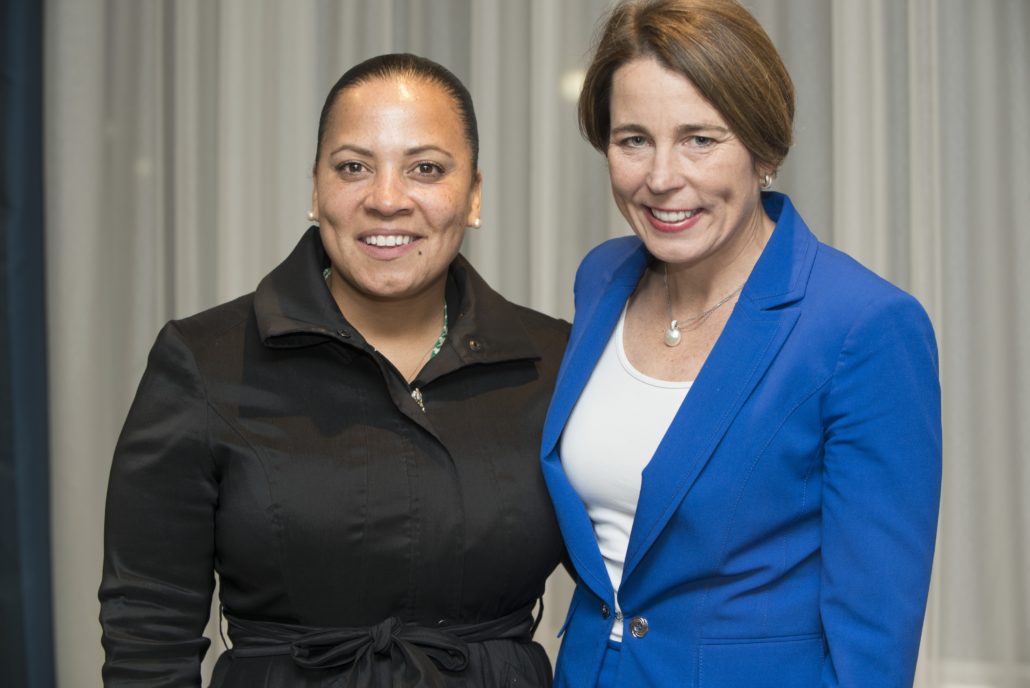
Featured speaker at the event, Attorney General Maura Healey remarked, “I am grateful to be able to recognize Massachusetts Appleseed for their critical work in developing and advocating for systemic solutions to social justice issues while celebrating this year’s Good Apple, my dear friend Mo Cowan. Mo is a champion for social justice whose life and legacy represents the best our community has to offer.”

Senator Cowan is a graduate of Duke University and Northeastern University School of Law. In 2013, he represented Massachusetts as interim U.S. Senator, filling the vacancy left by John F. Kerry when he was appointed Secretary of State. Senator Cowan served as Chief Legal Counsel, Chief of Staff, and Senior Advisor to the Governor in the administration of former Governor Deval L. Patrick and, in the Fall of 2013, Senator Cowan was a Fellow at the Harvard University Institute of Politics. In 2017 Sen. Cowan assumed the position of VP of Global Litigation and Legal Policy at GE, after having served Of Counsel to Mintz Levin and as President and CEO of ML Strategies.

“I am humbled to receive this great honor from the Appleseed Center,” Senator Cowan said. “I deeply appreciate the recognition and cherish the opportunity to be associated forever with an organization committed every day to social justice and the rule of law, and to follow in the footsteps of the distinguished past honorees. Thank you for helping me make my family proud!”

Senator Cowan is on the Board of Directors for Eastern Bank Corporation, Partners Healthcare, and is Co-Chair of the Greater Boston YMCA Board of Overseers. He further serves our community as a Trustee of Northeastern University, the Massachusetts General Hospital, and is a member of the Boston Club Corporate Advisory Board, Duke University Trinity Board of Visitors, Cambridge College President’s Council, and U.S. Association of Former Members of Congress.

Senator Cowan is an active civic leader committed to the same principles of inclusion and justice that is at the foundation of all of MA Appleseed’s work. When appointing Cowan to serve as interim U.S. Senator, former MA governor Deval Patrick described him as having “brought preparation, perspective, wisdom, sound judgment, and clarity of purpose” every step of the way, with the needs of Massachusetts’ residents always on the forefront of his mind.

“Mo’s evenhanded approach to difficult issues and his persistence in pursuing a better, fairer world is an inspiration to many. We are proud to present him with this year’s Good Apple Award,” said Deborah Silva, Executive Director of MA Appleseed.

2018 Good Apple Award Recipient (PDF)
2018 Good Apple Invitation (PDF)


Recent past recipients of the Good Apple award include Jonathan Chiel, Executive Vice President and General Counsel for Fidelity Investment; Paul Dacier, former General Counsel of EMC Corporation (now Dell); Susan Alexander, Chief Legal Officer of Biogen Idec; Lon F. Povich, Former Executive Vice President and General Counsel of BJ’s Wholesale Club, Inc.; Stephanie S. Lovell, Senior Vice President and General Counsel of Blue Cross Blue Shield of Massachusetts; and Jeffrey N. Carp, Executive Vice President and Chief Legal Officer of State Street Corporation.

About the Massachusetts Appleseed Center for Law and Justice:

Massachusetts Appleseed’s mission is to promote social justice and equal rights for Massachusetts’ residents by developing and advocating for systemic solutions to issues of systemic inequality.

At Massachusetts Appleseed, we dedicate ourselves to remedying social injustices for at-risk and underserved children, youth, and adults residing within our state. Working with volunteer lawyers, community partners, and others, we identify and address gaps in services and opportunities in areas such as education, homelessness, and the accessibility of the Massachusetts court system. Through in-depth research, consensus building, and community problem solving, we develop powerful solutions for reforming the systems and structures responsible for injustice. Our work seeks to level the playing field and transform communities. Every year we honor someone in the legal professional equally committed to these principles through our “Good Apple” award.


Senator William "Mo" Cowan, Good Apple Award Recipient

Senator William “Mo” Cowan, Good Apple Award Recipient

Save the Date!

March 29, 2018
6:00 pm Reception
7:00 pm Award Ceremony
Boston Harbor Hotel, Wharf Room

11th Anniversary Good Apple Award

On Thursday, March 29th 2018 Massachusetts Appleseed will host its 11th annual Good Apple reception at the Boston Harbor Hotel. We are pleased to announce that this year’s recipient of the Good Apple Award will be Senator William “Mo” Cowan, Vice President of Litigation and Legal Policy of General Electric Company.

The Good Apple Award is presented annually to one member of our Massachusetts legal community who exemplifies MA Appleseed’s commitment to public service, fairness, and social justice. Throughout his career, Mo has demonstrated his dedication to serving the public. He is a civic leader, a mentor to many, and an inspiration to all, acting with optimism and an inclusive vision at a time when inclusivity is under threat.

Senator William “Mo” Cowan is Vice President, Litigation and Legal Policy at the General Electric Company, responsible for litigation, enforcement proceedings, investigations and compliance globally. Mo joined GE after serving Of Counsel to Mintz Levin Cohn Ferris Glovsky and Popeo, PC (“Mintz Levin”) and as President and Chief Executive Officer of ML Strategies. In 2013, Mo represented the Commonwealth of Massachusetts as interim United States Senator, filling the vacancy created when John F. Kerry was appointed United States Secretary of State, and served as Chief Legal Counsel, Chief of Staff, and Senior Advisor to the Governor in the administration of former Governor Deval L. Patrick. Mo also served as a Fellow at the Harvard University Institute of Politics (Fall 2013). Mo is a graduate of Northeastern University School of Law and Duke University.

Active in numerous civic, educational and charitable pursuits, Mo is a Director of Eastern Bank Corporation, Partners Healthcare, and Co-Chair of the Greater Boston YMCA Board of Overseers. He serves as a Trustee of Northeastern University and the Massachusetts General Hospital, and is a member of the Boston Club Corporate Advisory Board, Cambridge College President’s Council, Duke University Trinity Board of Visitors, and U.S. Association of Former Members of Congress. Mo is a “Good Apple” in the truest sense.

For sponsorship opportunities or tickets, please contact Madeline Poage at madeline@massappleseed.org.

2018 Good Apple-Save the Date
Save the Date (PDF)
2018 Good Apple Award Recipient (PDF)
2018 Good Apple Invitation (PDF)

Access to Justice through Innovation and Collaboration

New Directions and Emerging Opportunities: Exploring Cutting-Edge Developments Moving Us Closer to Our Goal of Justice for All

The legal needs of our communities far exceed the legal resources currently available — especially for those unable to afford to hire a private attorney. Many exciting efforts are underway to address this problem in Massachusetts and across the country. One thing is clear: we will need creative approaches and consistent collaboration to make a real and lasting impact on the systemic inequities that render legal help inaccessible for so many. Join us as we step back to assess this panorama, look to the horizon, and then work together to brainstorm solutions.

Our expert panelists will use their unique perspectives and experiences to take on questions related to:

  • Bringing a whole person approach to the user experience in court
  • Fostering better and broader collaboration within and beyond the courts
  • Harnessing technology to better serve clients and communities
  • Using research, evaluation, and data to assess impact and improve processes
  • Exploring New Models for Representation and Advocacy
  • Preliminary findings and Recommendations from the Justice for All Grant

In addition to a wide range of participants including private attorneys, legal service providers, court personnel, thought leaders, social services organizations, and community groups, we are proud to be welcoming Katherine Alteneder of the Self-Represented Litigation Network, Supreme Judicial Court Chief Justice Ralph Gants, and Judge Dina Fein, First Justice, Housing Court Department, Western Division and Special Advisor to the Trial Court for Access to Justice Initiatives, as featured speakers.

Date: Monday, November 20, 2017
Time: 9:00 a.m. – 5:00 p.m.
Location: MCLE, 10 Winter Place, Boston, MA 02108

Conference Materials:

Conference Agenda

Keynote Address:
Kathrine Alteneder, Self-Represented Litigation Network
How Design Thinking Can Optimize Pro Bono Engagement in the 100% Access to Justice Ecosystem
SRLN brief — Design Thinking

Bringing a Holistic Approach to the Court User Experience:

Exploring New Models for Advocacy and Representation:

Improving Outcomes Through Evidence-Based Research:

Better and Broader Collaboration Within and Beyond the Courts:

Family Resource Center Materials:

For Immediate Release

Richard Bergin

Richard Bergin

Boston, MA – Massachusetts Appleseed Center for Law and Justice welcomed Dr. Richard Bergin, Managing Director for Alix Partners, to its Board of Directors on October 4, 2017. MA Appleseed, a non-profit organization that advocates for systemic reform in areas such as education and access to justice, is pleased to have Dr. Bergin, an active and dynamic advocate, join the organization.

“This is a great opportunity to push for statewide reform in the areas of justice and education,” Dr. Bergin said. “I look forward to helping expand the impact of MA Appleseed’s important work in identifying barriers and developing pragmatic solutions to secure lasting access to opportunity and justice for all.”

Dr. Richard Bergin has over 20 years of experience in leading investigations and litigation consulting. He has led independent investigations into some of the world’s most prolific and complex antitrust, financial fraud and manipulation cases as well as investigations in more than 50 countries. Dr. Bergin regularly serves as a litigation consultant, and he has testified as an expert witness in trials, at arbitrations, and before government agencies, including federal courts and state courts as well as the DOJ, SEC, CFTC, AAA, ICSID, ICC, UNCITRAL and various ad hoc arbitrations around the world. Prior to joining Alix Partners, Dr. Bergin was a Principal at KPMG for more than four years, advising companies facing investigations and disputes. Previously, he held senior roles at FTI Consulting, Navigant Consulting, and NERA Economic Consulting. Dr. Bergin has a doctorate in business administration and an MBA – both of them awarded with highest distinction from Harvard Business School, which he attended as a Fulbright Scholar.

“We’re very excited and grateful to have Rich join the Board,” Board Chair Martha Mazzone said. “His experience outside the legal world, passion as a social justice advocate, and infectious enthusiasm will be instrumental in moving MA Appleseed forward.”

About the Massachusetts Appleseed Center for Law and Justice:

Massachusetts Appleseed’s mission is to promote equal rights and opportunities for Massachusetts’ residents by developing and advocating for systemic solutions to social justice issues.

At Massachusetts Appleseed, we dedicate ourselves to remedying social injustices for at-risk and underserved children, youth, and adults. Working with volunteer lawyers, community partners, and others, we identify and address gaps in services and opportunities in areas such as education, homelessness, and the court system. Through in-depth research, consensus building, and community problem solving, we develop powerful solutions for reforming the systems and structures responsible. Our work seeks to level the playing field and transform communities.
For Immediate Release

Jonathan Chiel Executive Vice President and General Counsel for Fidelity Investments

Jonathan Chiel
Executive Vice President and General Counsel for Fidelity Investments

Fidelity Investments General Counsel Jonathan Chiel is Honored

Boston, MA – “As a true steward of justice and one of the most respected members of the New England legal community, we could not think of a better recipient for the Tenth Annual Good Apple Award than Jonathan,” said Martha Mazzone, chair of the Board of Directors of Mass Appleseed.

Jonathan Chiel is Executive Vice President and General Counsel for Fidelity Investments, and also has responsibility for Fidelity’s Public Affairs and Policy Group. Prior to joining Fidelity, Mr. Chiel was general counsel at John Hancock Financial Services, the United States division of Manulife Financial, and was a member of the Manulife Management Committee. Before joining Hancock, Mr. Chiel was a partner with Choate, Hall and Stewart in Boston, serving as chair of the firm’s Government Enforcement Practice Group. Earlier in his career, he was an assistant U.S. attorney in the Boston office, and served first as the Chief of the New England Organized Crime Drug Enforcement Task Force, then as Chief of the Public Corruption Unit and finally as Chief of the Criminal Division. Mr. Chiel is a director on the boards of the Boston Bar Foundation, the Greater Boston Chamber of Commerce, the U.S. Chamber Litigation Center and Maimonides School. Mr. Chiel received a Bachelor of Arts degree from Brown University and J.D. from Harvard Law School.

Recent past recipients of the Good Apple award include Paul Dacier, General Counsel of EMC Corporation, Susan Alexander, Chief Legal Officer of Biogen Idec, Stephanie S. Lovell, Senior Vice President and General Counsel of Blue Cross Blue Shield of Massachusetts, and Jeffrey N. Carp, Executive Vice President and Chief Legal Officer of State Street Corporation.

About the Massachusetts Appleseed Center for Law and Justice

Massachusetts Appleseed’s mission is to promote equal rights and opportunities for Massachusetts’ residents by developing and advocating for systemic solutions to social justice issues.

At Massachusetts Appleseed, we dedicate ourselves to remedying social injustices for at-risk and underserved children, youth, and adults. Working with volunteer lawyers, community partners, and others, we identify and address gaps in services and opportunities in areas such as education, homelessness, and the court system. Through in-depth research, consensus building, and community problem solving, we develop powerful solutions for reforming the systems and structures responsible.Our work seeks to level the playing field and transform communities.

For Immediate Release

Guide Comes as Record-Setting Backlog of Immigrant Cases Face Uncertain Future

Washington, DC and Chicago, IL, February 14, 2017 – With refugees and other immigrants facing rapidly escalating challenges, the Appleseed Network today released a major new resource to help new and experienced attorneys navigate the complicated U.S. immigration court system and save immigrants from deportation, exile and persecution.

The new Practice Guide, titled “Getting Off the Assembly Line: Overcoming Immigration Court Obstacles in Individual Cases,” is a product of the Immigration Justice Collaboration of Appleseed, a non-profit network of 17 Centers across the U.S. and Mexico, dedicated to advancing justice and opportunities that help low-income people and working families build better lives.
A record half-million cases are waiting to be heard by U.S. immigration courts, which pose daunting obstacles: the near-absence of formal discovery, the challenges interpreting to and from foreign languages, and minimal out-of-court contact between attorneys, their clients and opposing counsel.

The Guide provides an overview of immigration court proceedings, as well as specific sections on working with clients in detention, obtaining client documents from the government, pre-hearing communications with the Department of Homeland Security (DHS), dealing with interpretation and videoconferencing challenges and reporting immigration judge and DHS attorney misconduct. The Guide also provides several template and sample documents to assist attorneys in these cases.
This Guide should help every attorney do a better job in immigration court — and encourage more attorneys to do pro bono representation in these courts,” said Steve Schulman, co-chair of Appleseed’s national board.

“Better trained immigration attorneys will help insure that immigration courts are guided by due process and that they always follow the rule of law,” said Malcolm Rich, Executive Director of Chicago Appleseed.
“For more than two decades, the Appleseed Network has helped refugees and other immigrants seek justice and opportunity in the United States and Mexico. In this critical moment of moral and legal challenge, Appleseed and many of its Centers around the country are redoubling our efforts to help vulnerable immigrants and refugees: through systemic reforms, pro bono representation, and efforts to help immigrants build better lives and make our nation stronger. The Guide is the next crucial step in that work,” added Bert Brandenburg, President of Appleseed.

The law firm Akin Gump Strauss Hauer & Feld LLP provided pro bono assistance and counsel in the development of the new Practice Guide. This is the latest in a series of immigration-related research and publishing projects on which Akin Gump and Appleseed have collaborated. Previous reports have included A DREAM Deferred: From DACA to Citizenship (PDF) and Reimagining the Immigration Court Assembly Line.

For more information and to download the report, please visit Appleseed’s website.

About Appleseed

A nonprofit network of 17 public interest justice centers in the U.S. and Mexico, Appleseed is dedicated to building a society in which opportunities are genuine, access to justice is universal and equal, and government advances the public interest.