Thank you to everyone who raised their voices and called their State Representatives to advocate for our FY20 budget priorities! The House budget debates have come to an end, and the results are in. And as is often the case with the state budget, the results are…mixed. To see the full, finalized House budget, click here. For a deeper dive into our budget priorities – safe and supportive school environments, civil legal aid, and youth homelessness – read more below.

Safe and Supportive School Environments

Adequate funding to continue the implementation of the Safe and Supportive Schools program is necessary to ensure that all students are empowered to succeed in school. However, last month the House rejected Rep. Ruth Balser’s Amendment #1099 to maintain funding at $500,000, instead reducing funding for this line item to $400,000.

The Safe and Supportive Schools law was passed in 2014 to support an expansive and innovative vision of safe and supportive whole-school cultures that address many barriers to learning in Massachusetts schools.

But without level funding in 2020, the Safe and Supportive Schools Grant Program, statewide conferences and leadership summits, a second independent evaluation of all activities, and more may go unfunded. We will advocate for $500,000 – the same amount as last year – for inclusion in the Senate in order to continue this vital work.

Click here for more information about this issue.

Civil Legal Aid

The Massachusetts Legal Assistance Corporation (MLAC) line item (0321-1600) funds free legal services in civil matters for low-income residents of Massachusetts and is an enormously important component of the fight to ensure access to justice in the Commonwealth.

For low-income families facing devastating civil legal aid problems – such as eviction or domestic violence, civil legal services, funded by MLAC, are often their last hope.

The House increased civil legal funding to $23.6 million in its final budget. This is an improvement from the budget recommendations initially released by the House Committee on Ways & Means, but less than Rep. Balser requested in Amendment #1095 and much less than MLAC’s original request of $26 million. Thank you for your advocacy to bring us this far, and we look forward to fighting for the full requested increase in the Senate.

Click here for more information about this issue.

Youth Homelessness

Housing and Support Services

Despite reports of youth homelessness on the rise in Massachusetts, the House rejected Rep. James O’Day’s Amendment #883, which would have increased funding for services and support for youth experiencing homelessness to a much-needed $5 million.

Increased funding for this line item (4000-0007) is vital if we are going to build on past progress and create a sustained, systematic, and effective response to end youth homelessness in Massachusetts.

We are deeply disappointed that the House failed to increase funding for these critical programs to support youth experiencing homelessness, and will continue to push for increased funding in the Senate.

Click here for more information about this issue.

Massachusetts State ID

Government issued identification is necessary to complete many crucial and daily tasks, such as opening a bank account, enrolling in education programs, getting a library card, entering certain government buildings, and more.

But youth experiencing homelessness face several barriers that often prevent them from obtaining ID.

Rep. Kay Khan refiled a bill addressing this issue again this year (despite broad support, the bill failed to pass last session) and she also filed two amendments to the House budget that would have helped eliminate the barriers youth experiencing homelessness face now.

Unfortunately, Rep. Khan’s budget amendments were also not adopted by the House last month. While we will continue to advocate for the refiled bill seeking to solve this throughout this legislative session, we are hopeful that the Senate will include similar language in their proposed budget. Including this language in the final FY20 budget would allow youth experiencing homelessness to access IDs sooner rather than later.

These changes to ensure youth experiencing homelessness are able to obtain state ID should not be controversial. These are common-sense reforms that repair the damage insurmountable hurdles – such as a $25 application fee or requiring a permanent address – have caused for our most vulnerable youth.

Click here for more information about this issue.


So there it is…the first stage of the 2020 budget battle is over. And when it comes to our students, our low-income neighbors, our young people most in-need, we have one thing to say to the Legislature: We must do better.

Thank you for raising your voice and standing up for these key line items in the state budget. The Senate Committee on Ways & Means is scheduled to release its budget recommendations TOMORROW, with amendments due this Friday at noon, and we hope you join us again! Each and every time you reach out to your State Legislators and lend your voice to the chorus calling out on behalf of indigent communities, you are bringing us one step closer to a more equal and just Massachusetts.


Want to stay informed on the latest issues Massachusetts Appleseed is working on?
Sign up for future action alerts.
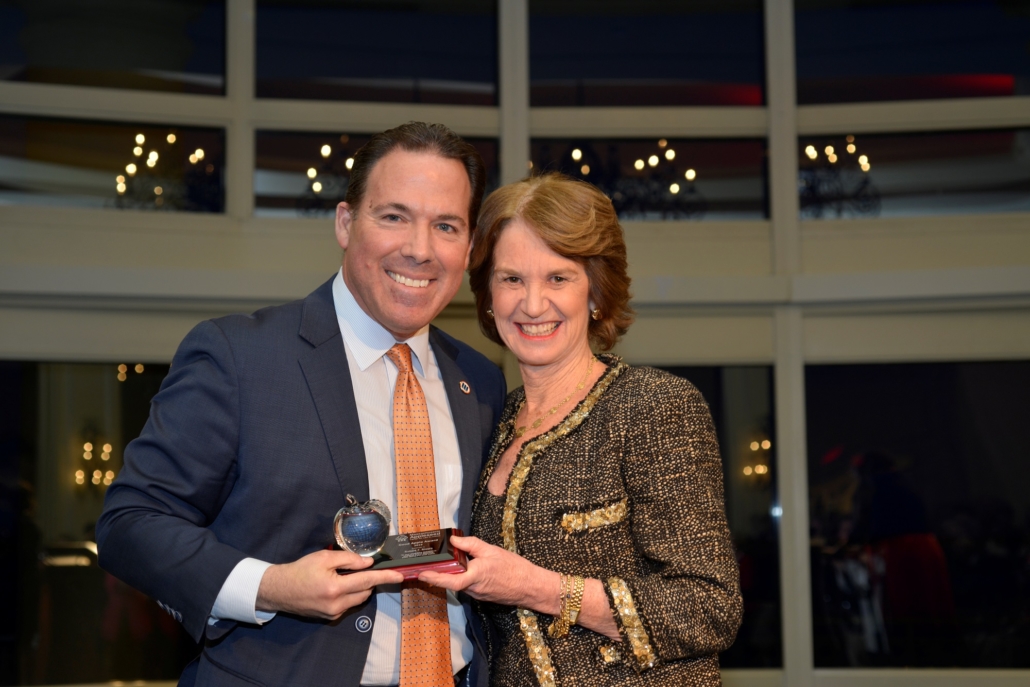
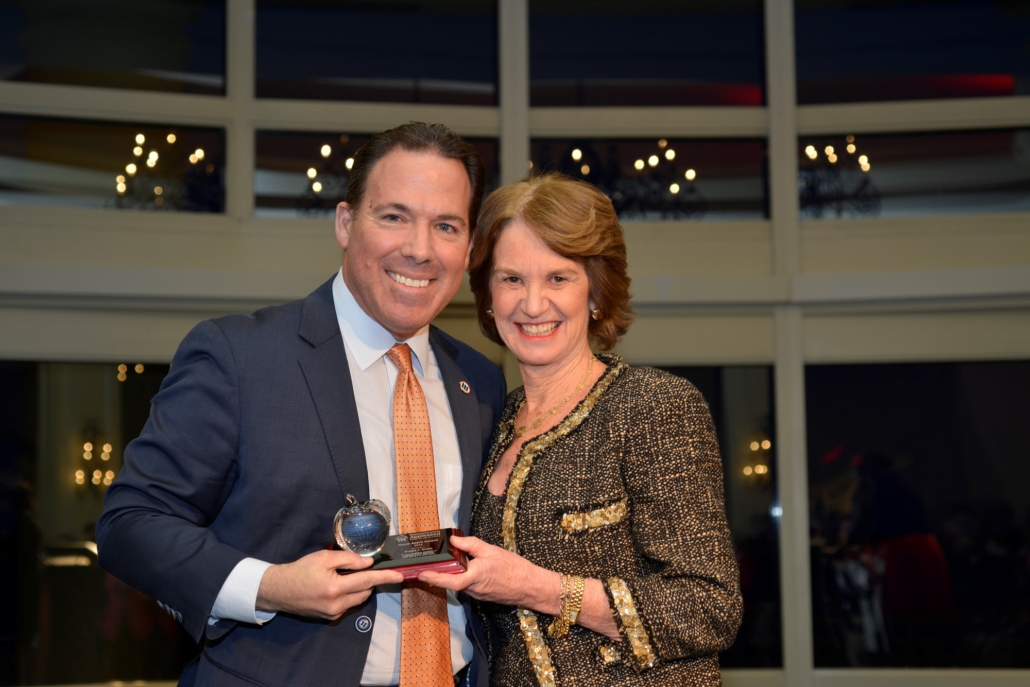
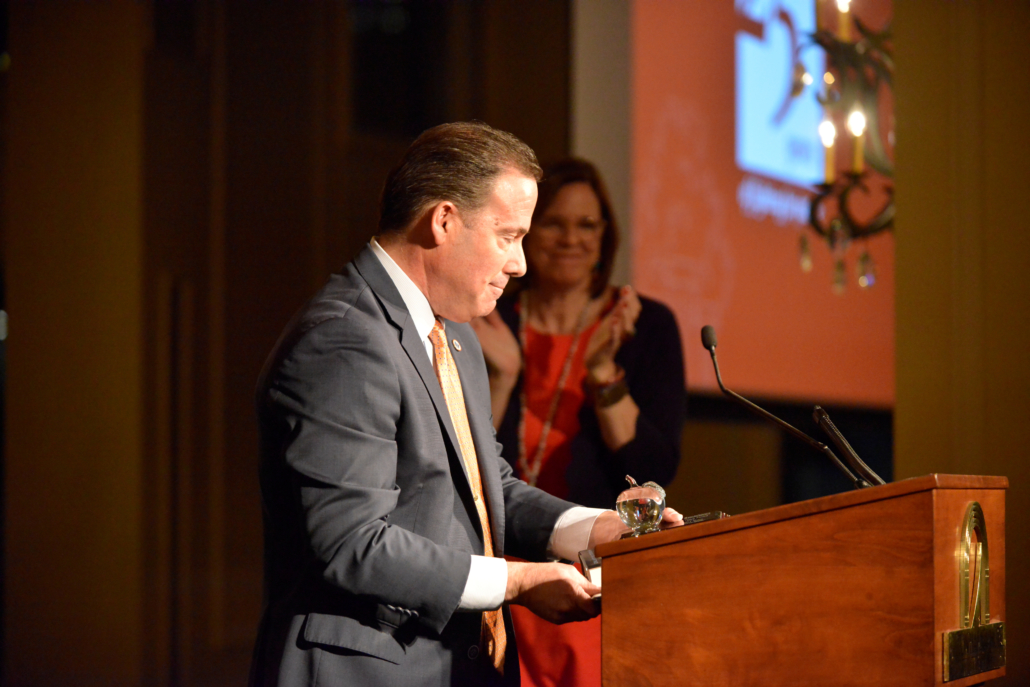
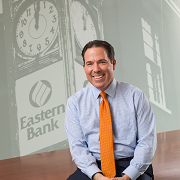
Bob Rivers, Good Apple Award Recipient (Photo By: Greg M. Cooper / Eastern Bank)

For Immediate Release

Honoring Bob Rivers, Chair and CEO of Eastern Bank

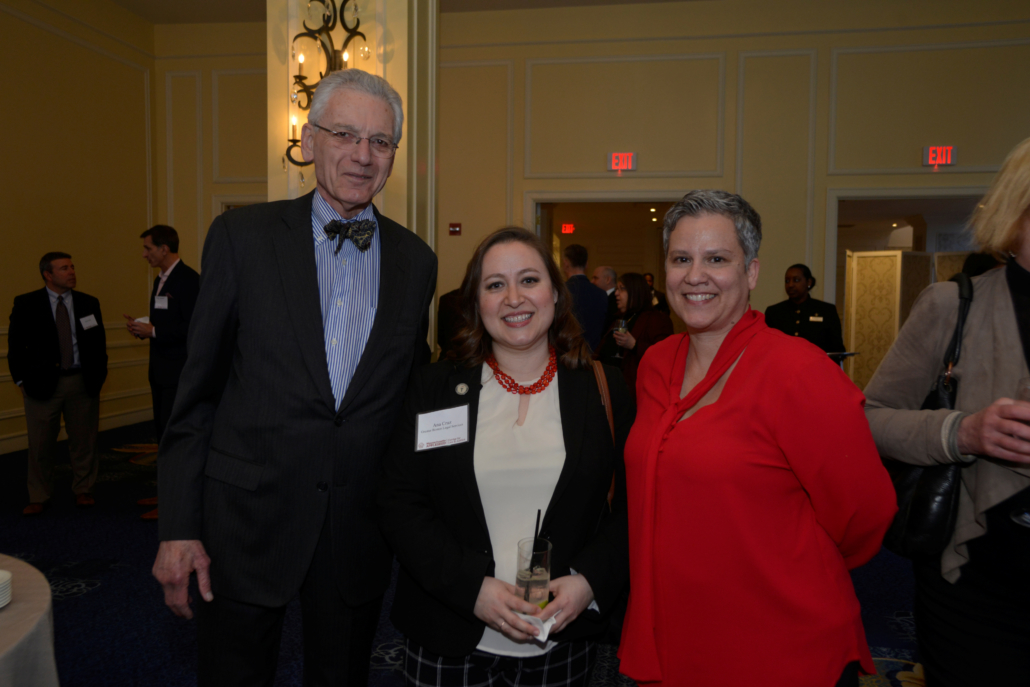
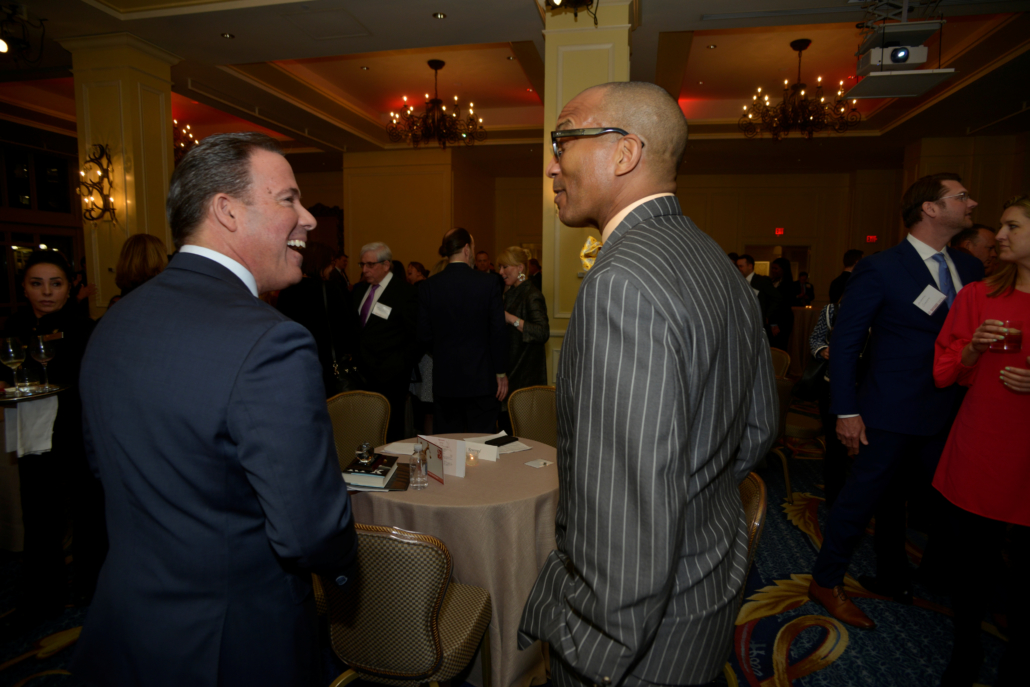
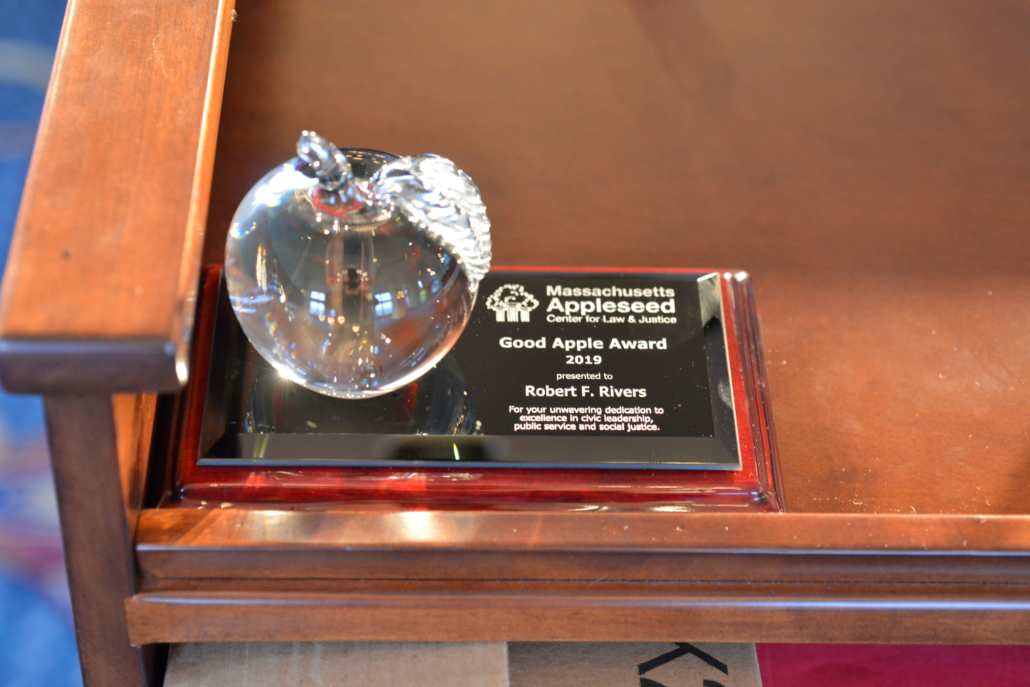
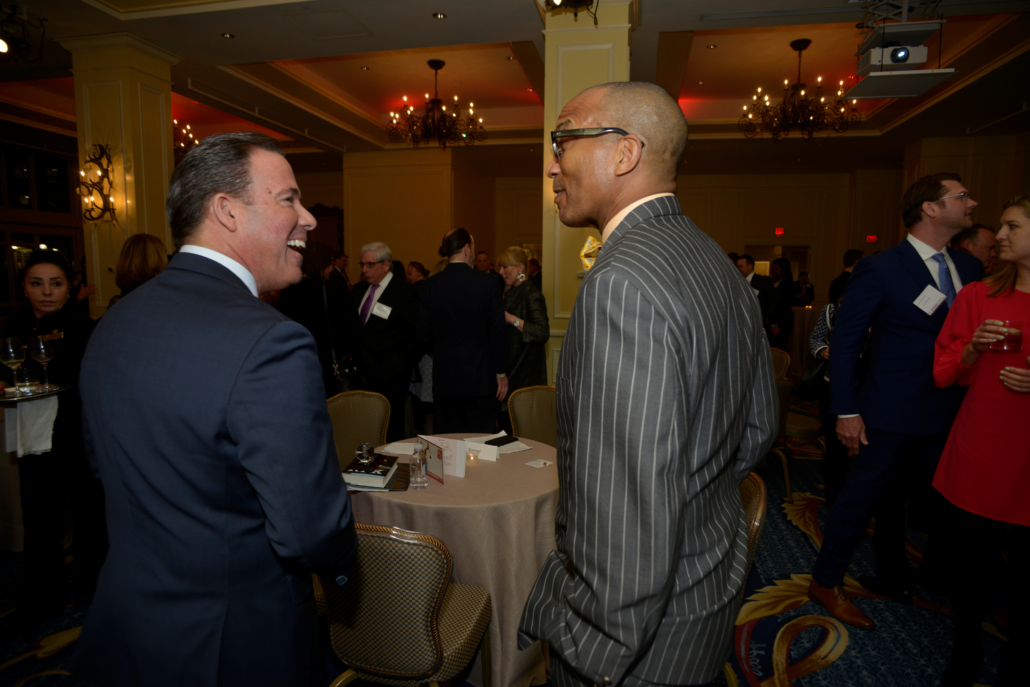
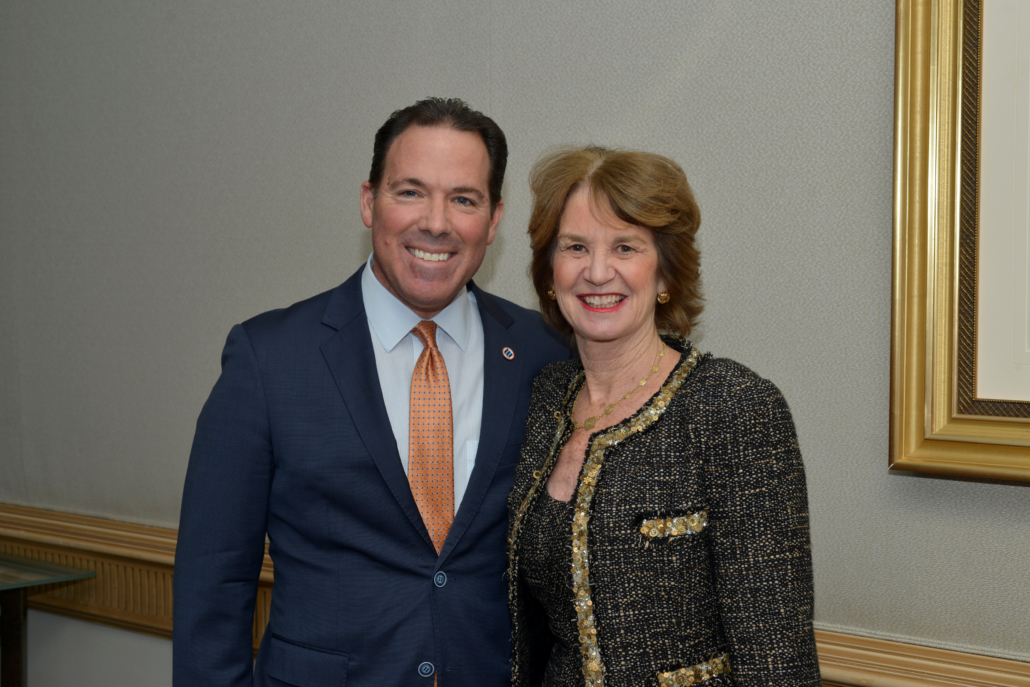
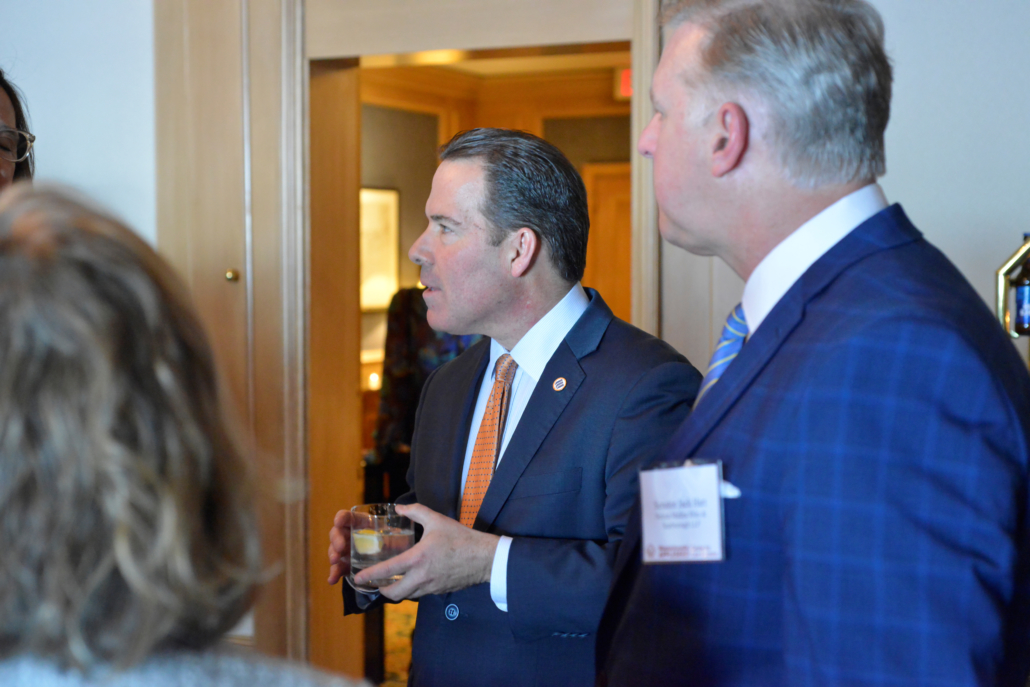
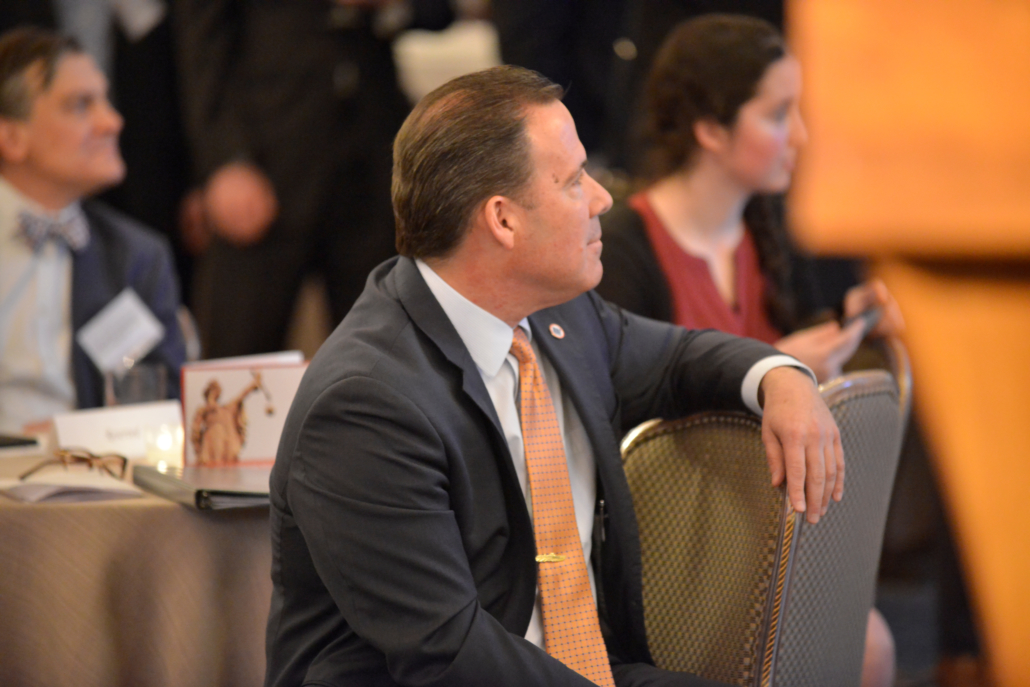
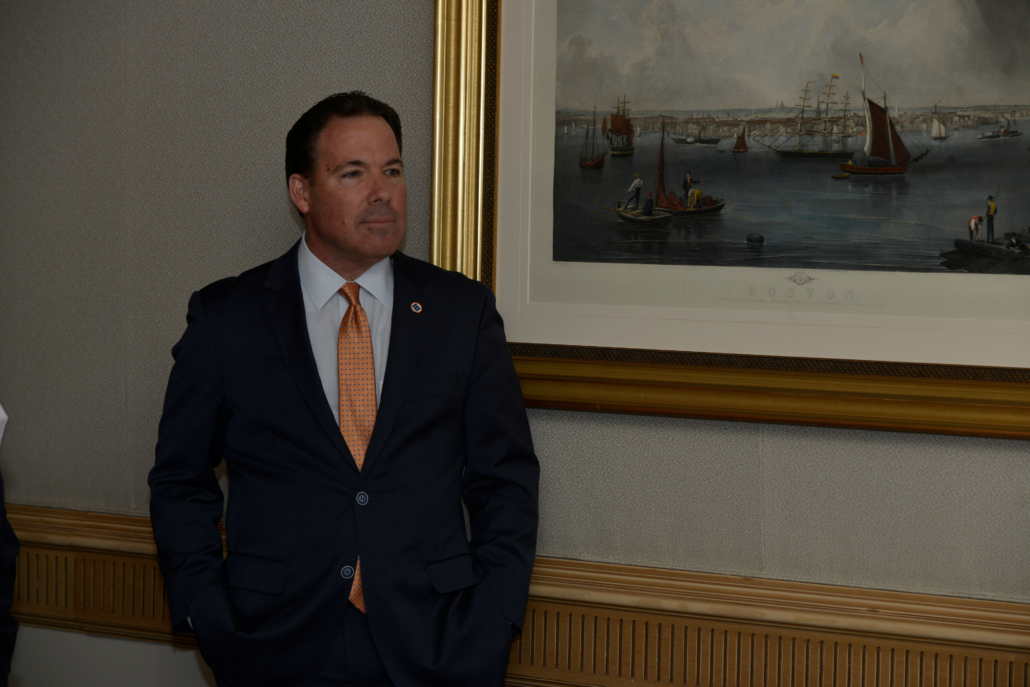
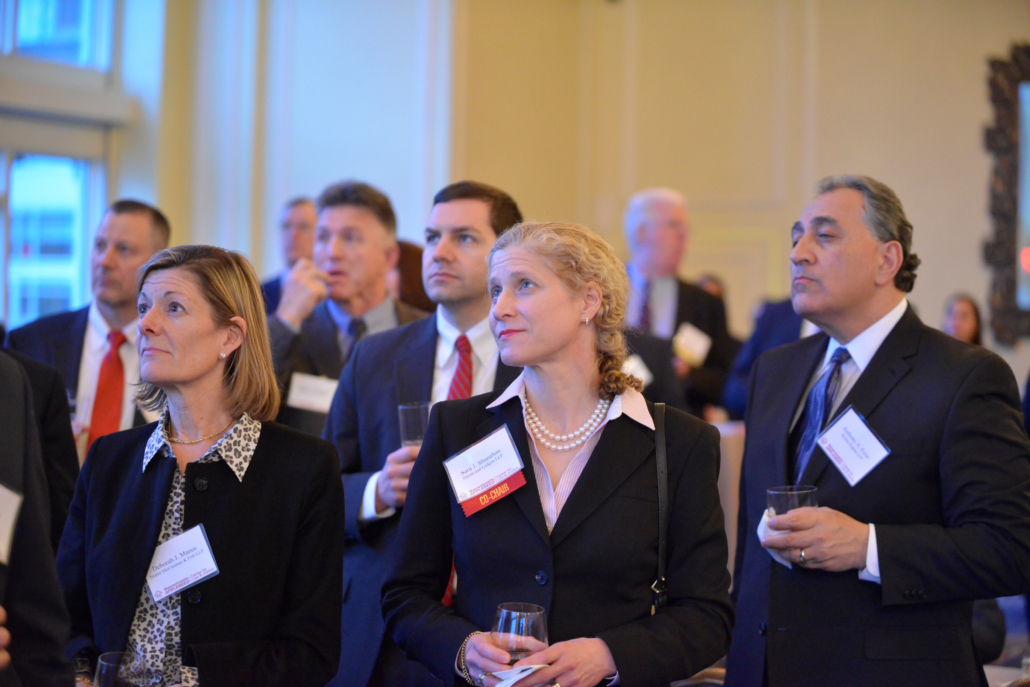
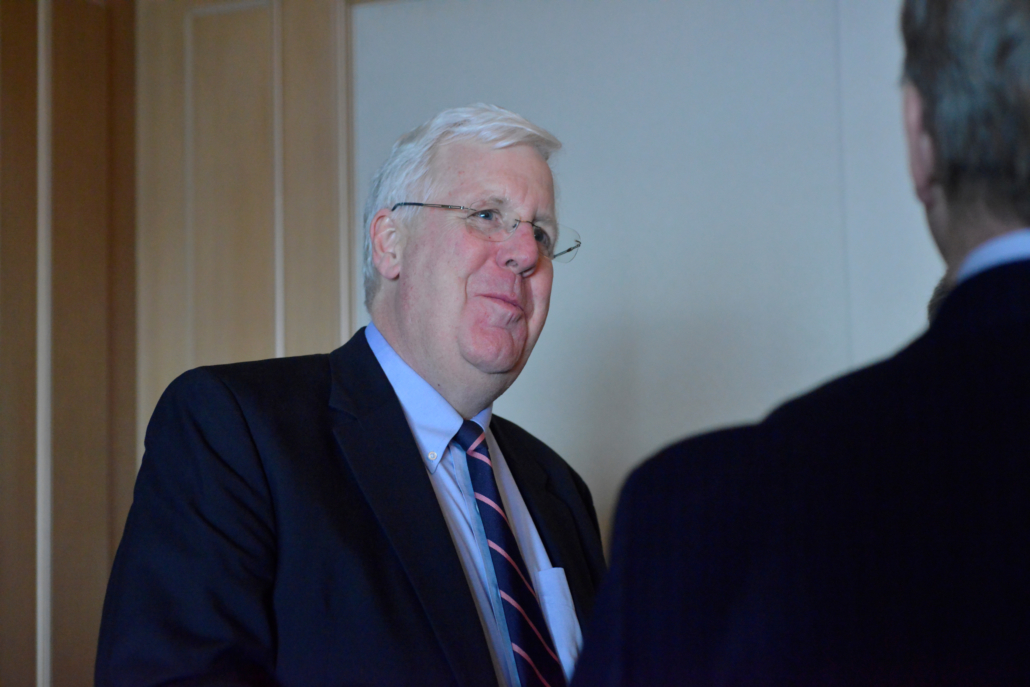
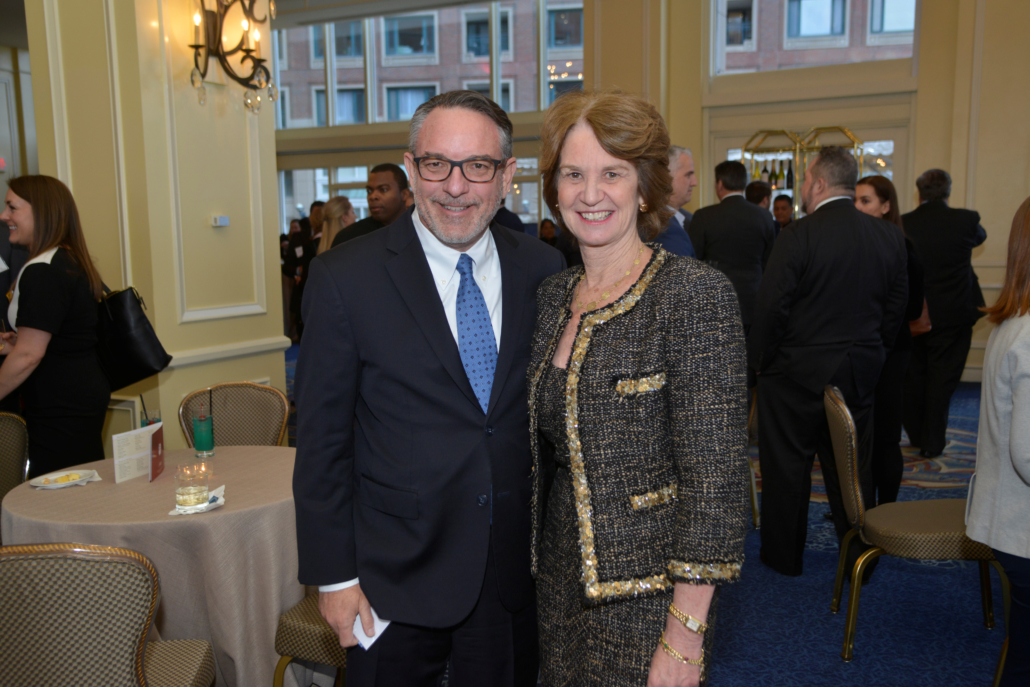
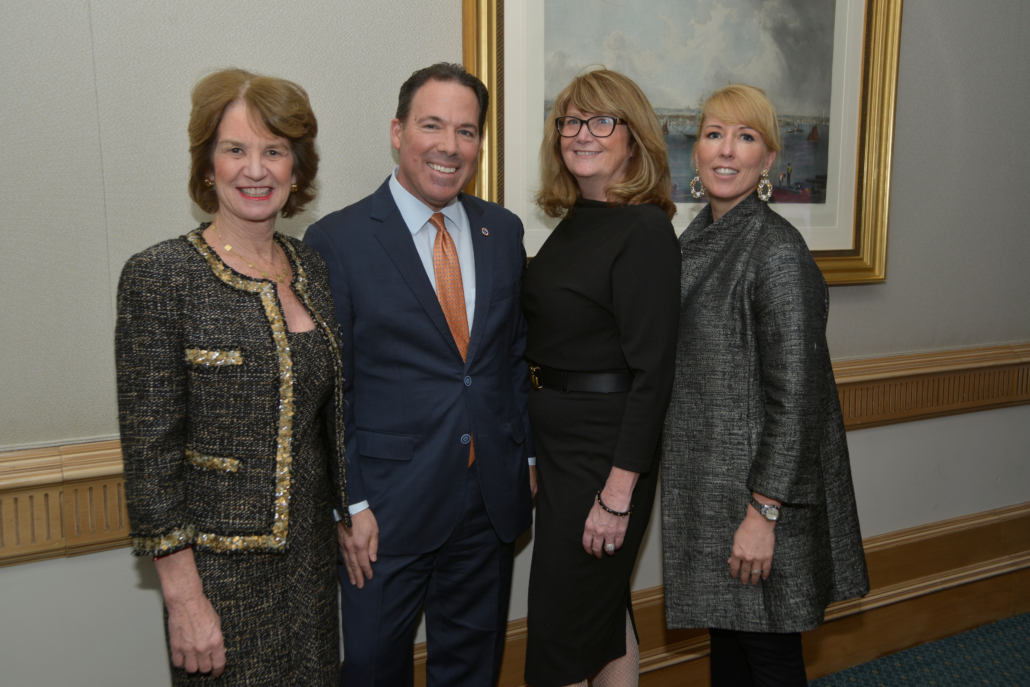
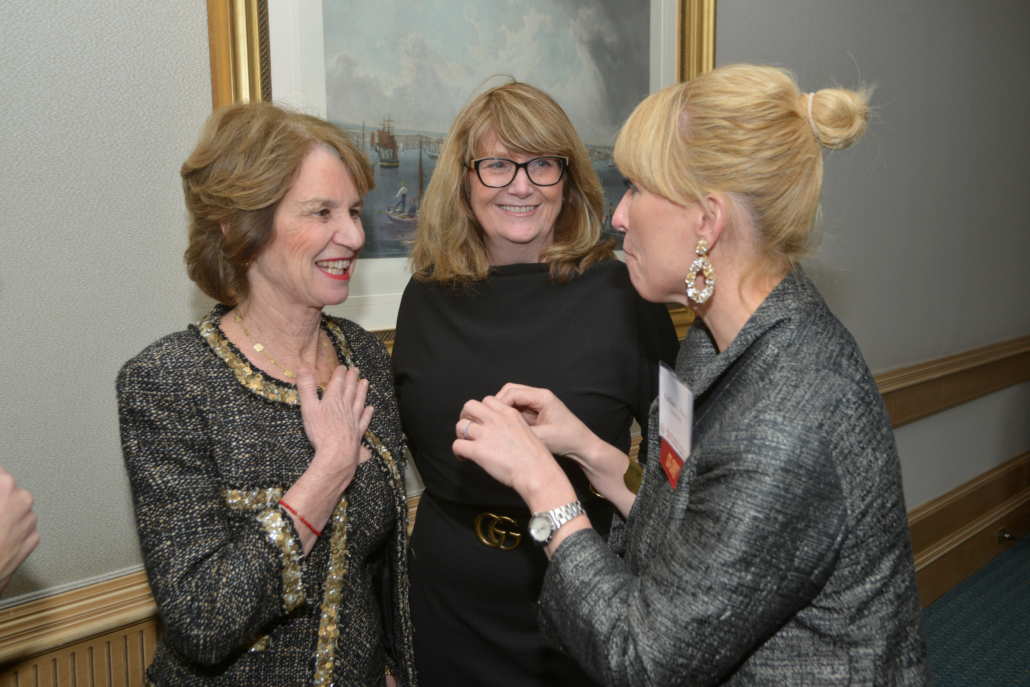
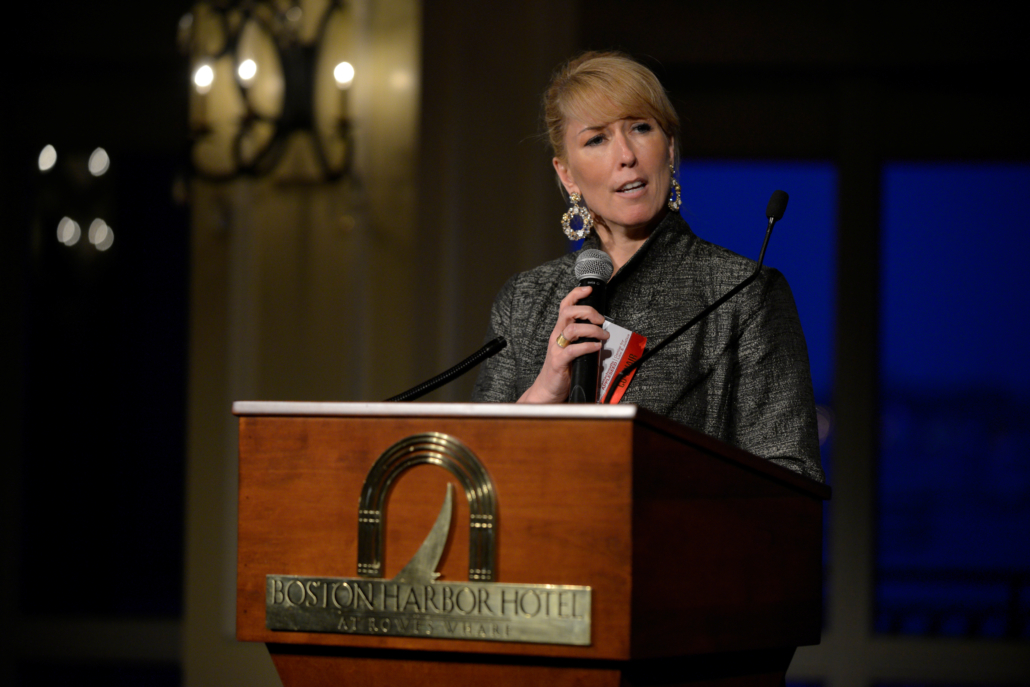
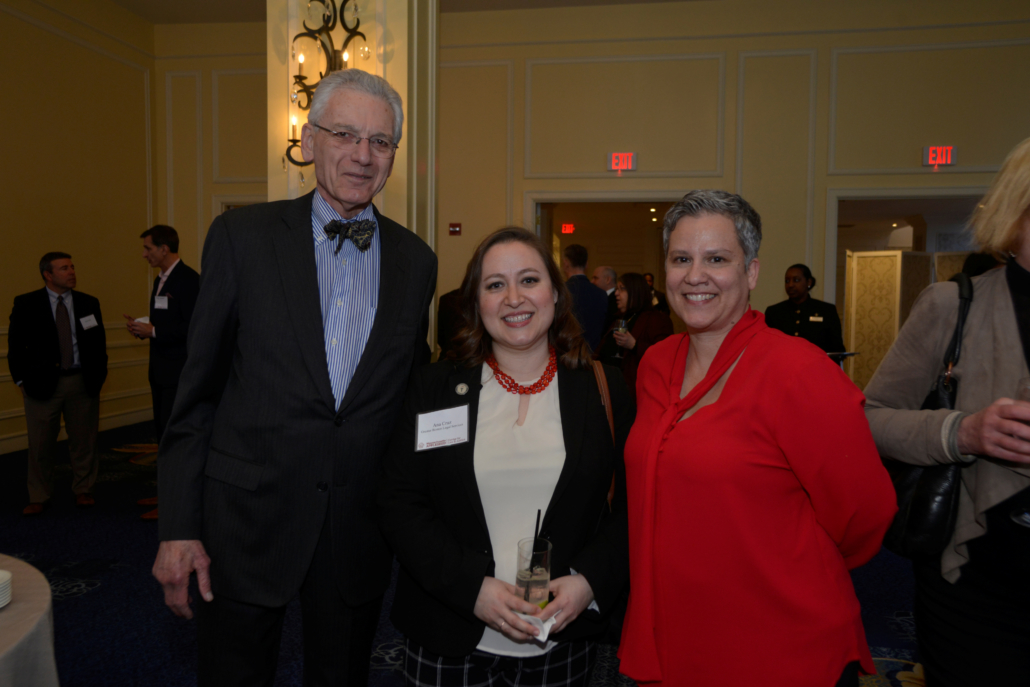
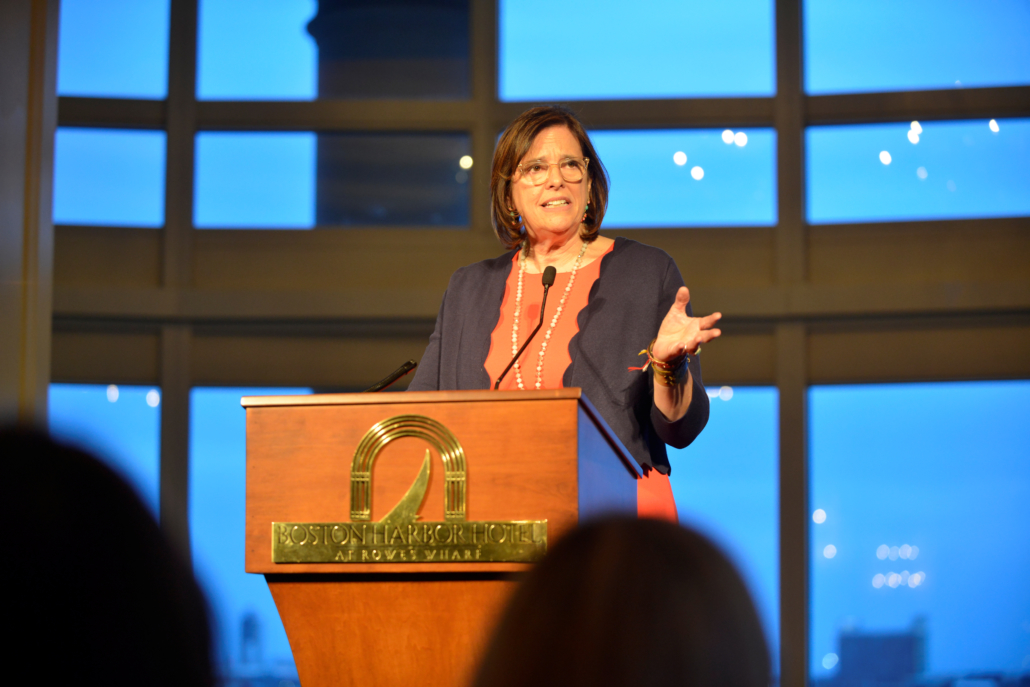
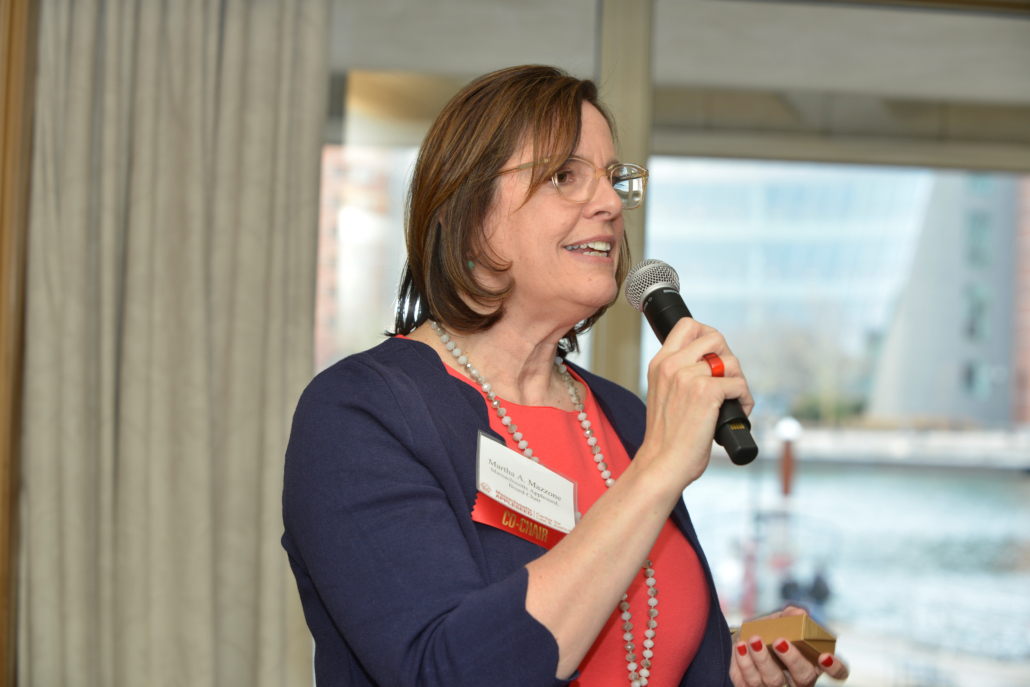
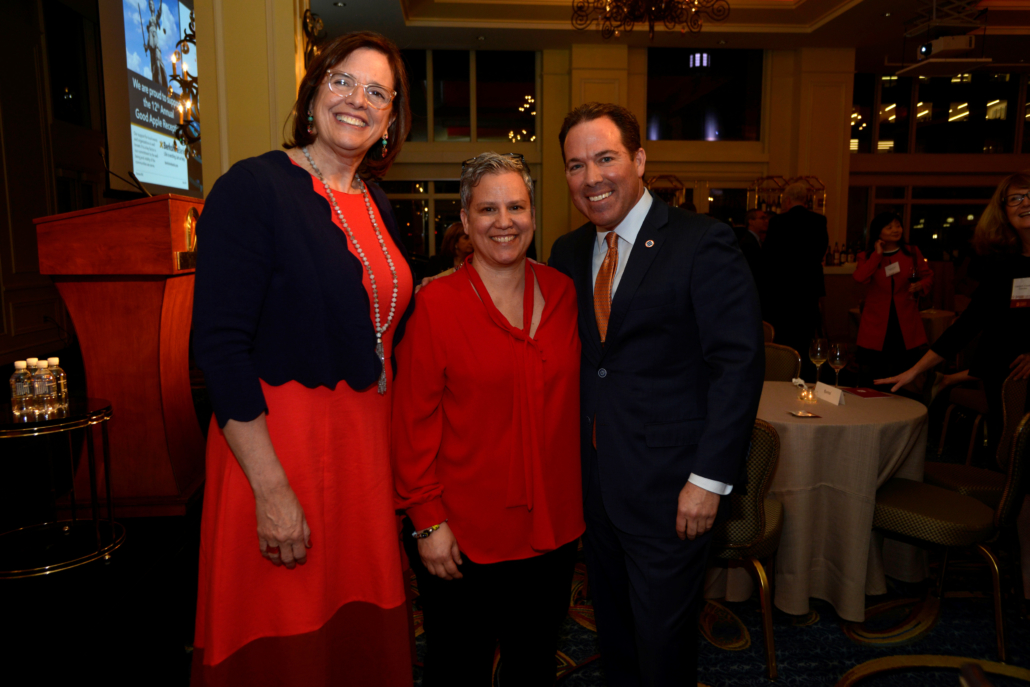
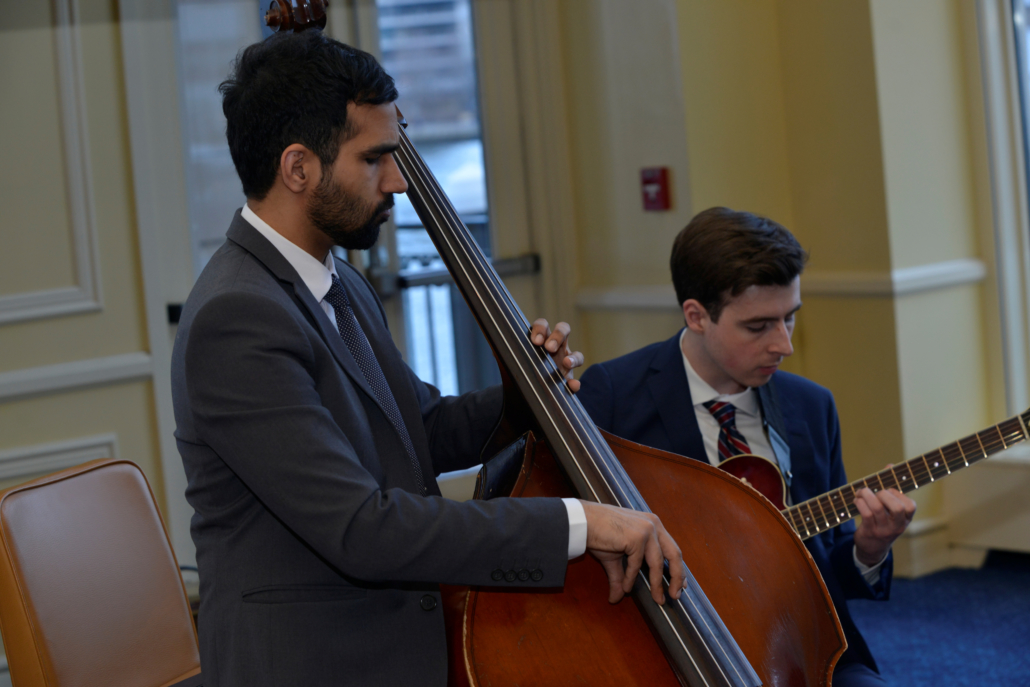
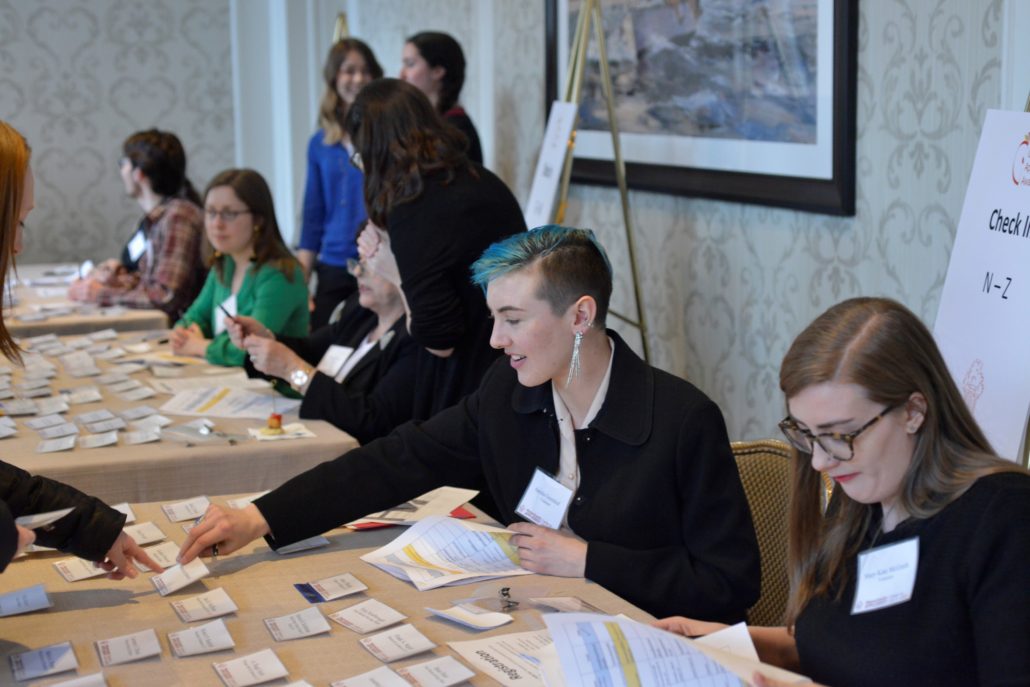
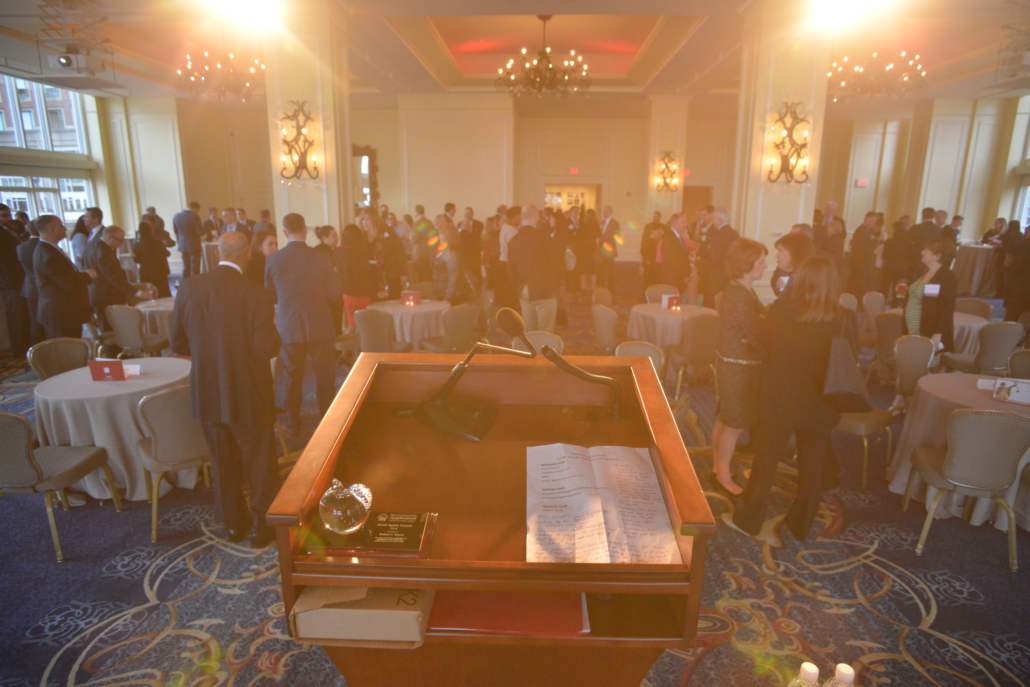
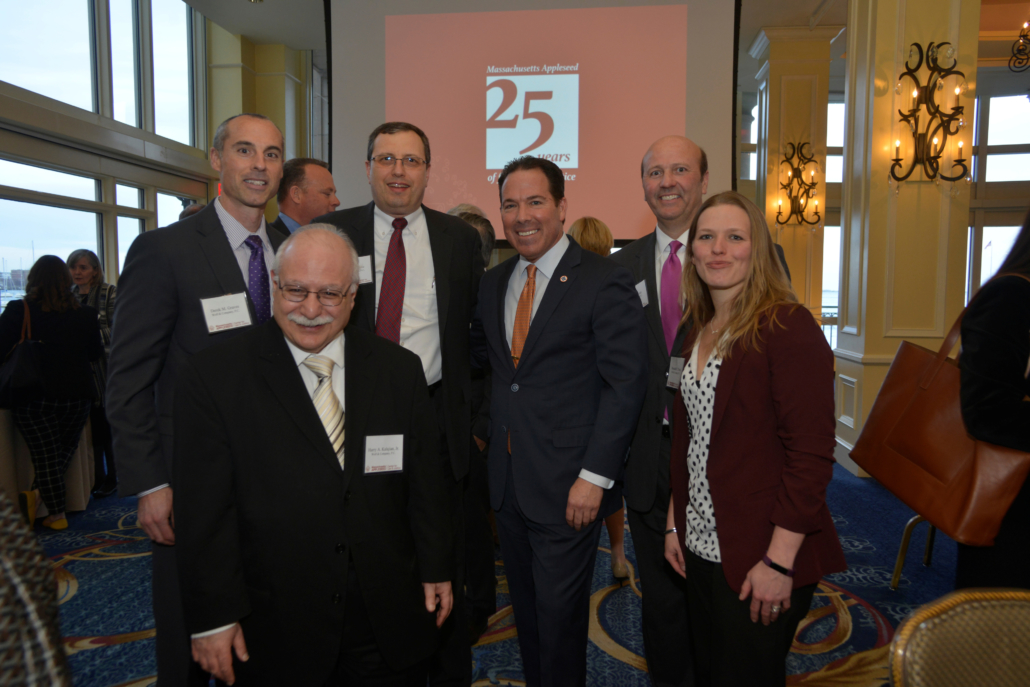
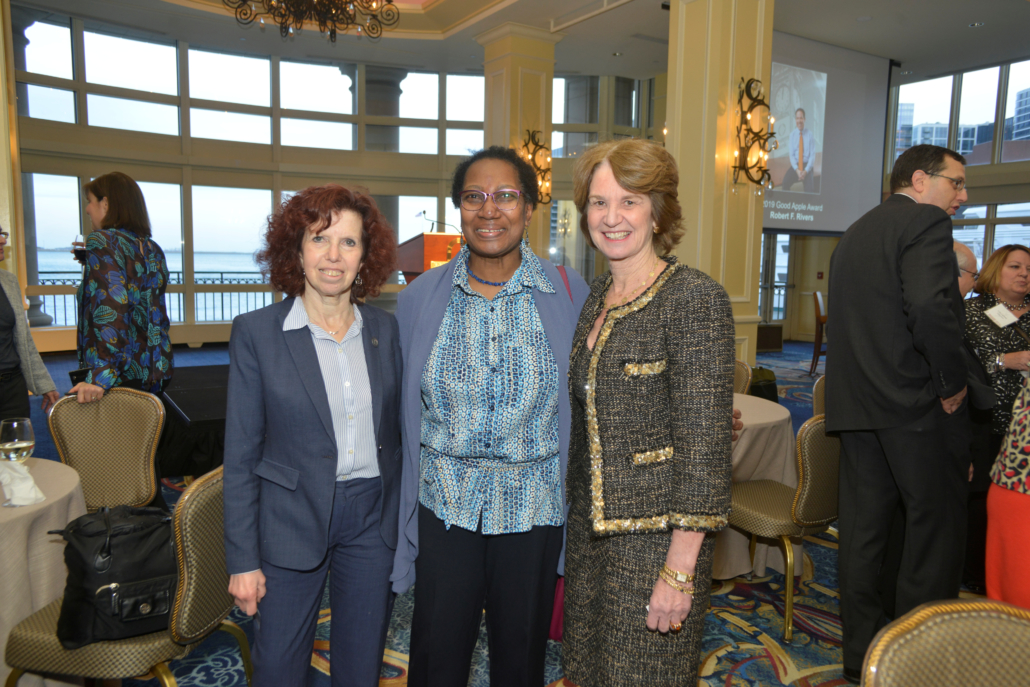
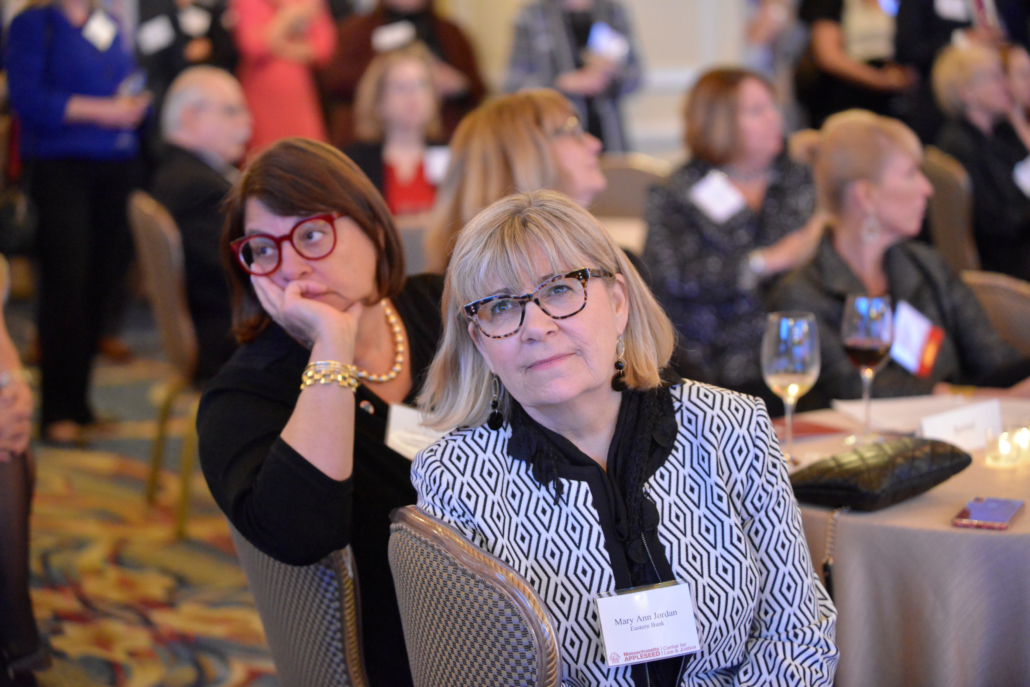
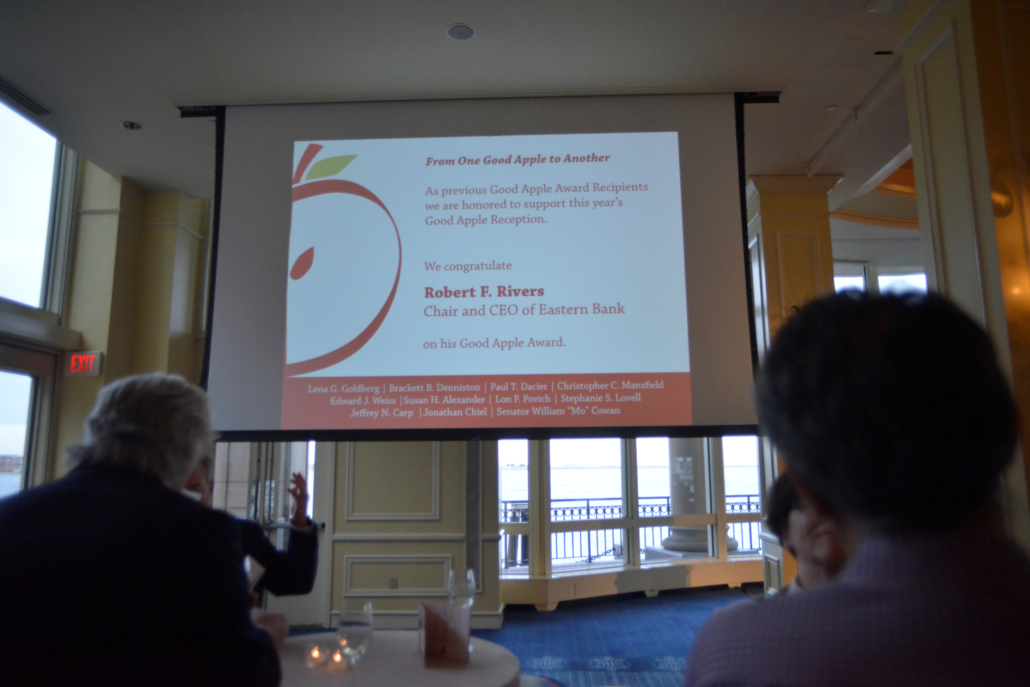
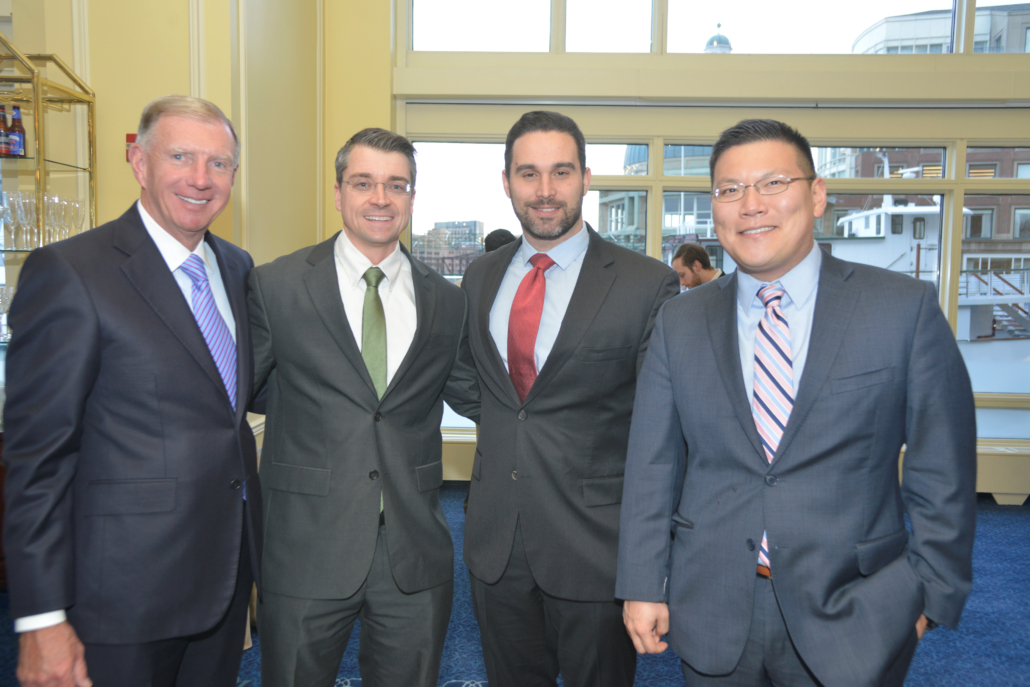
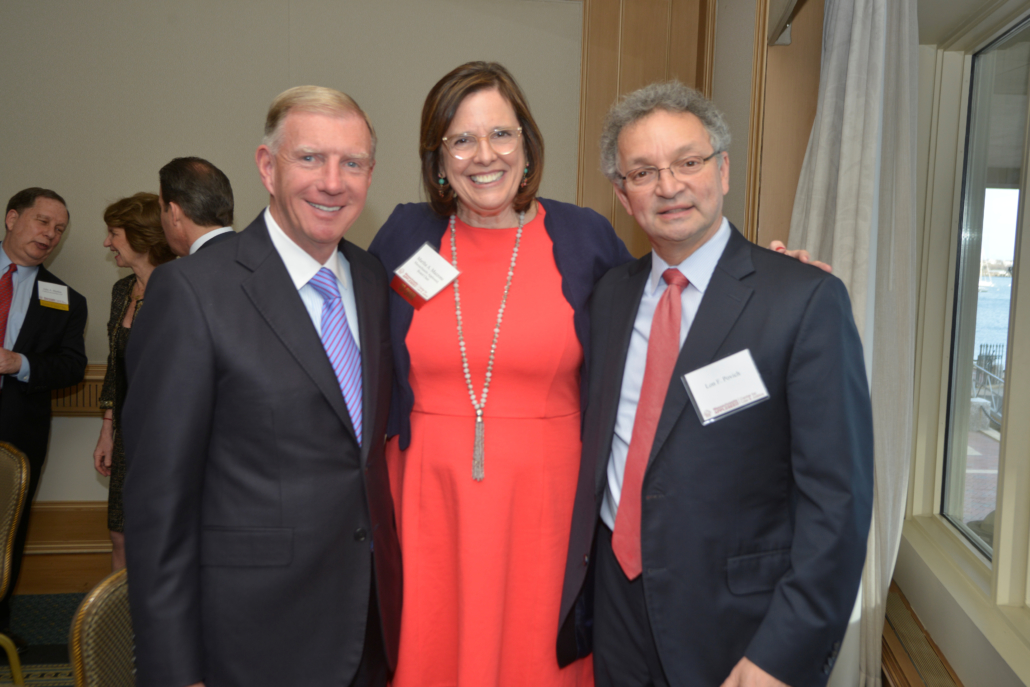
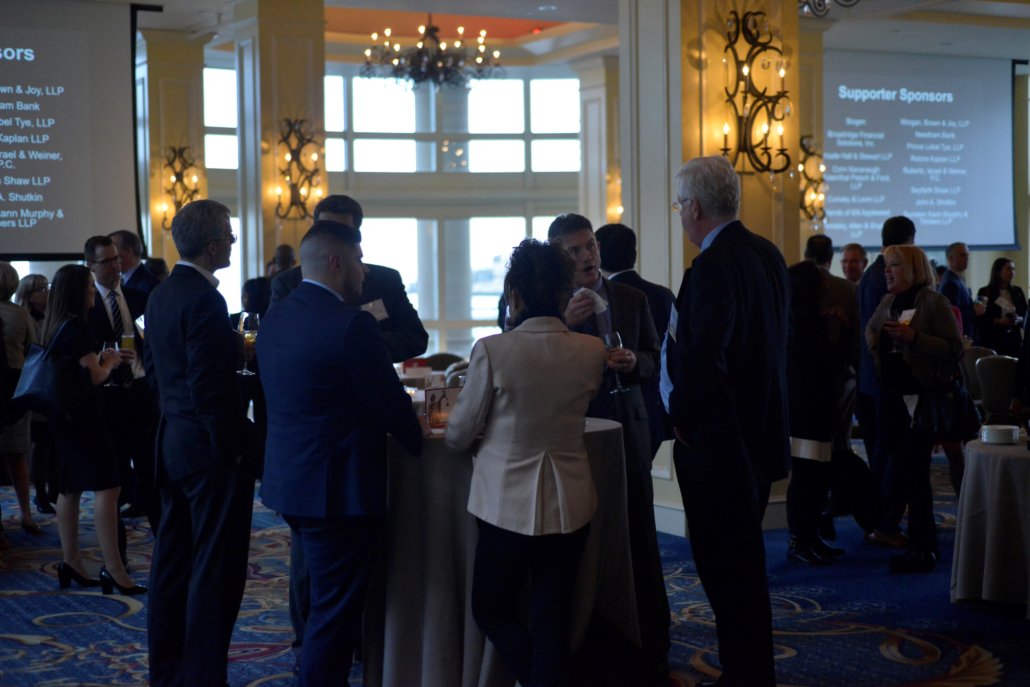
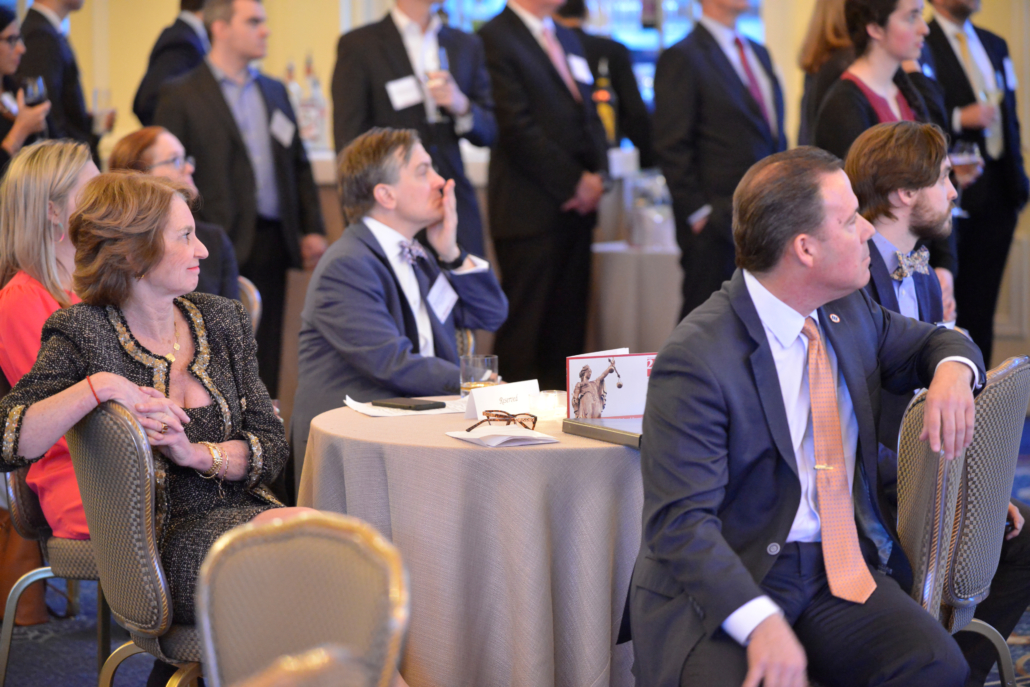
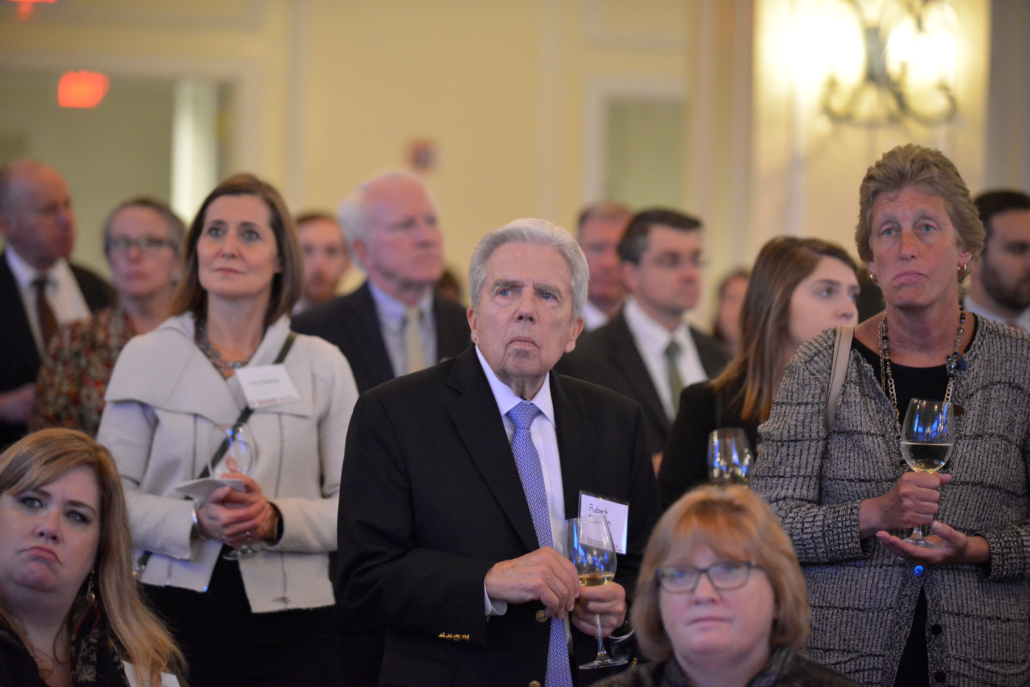
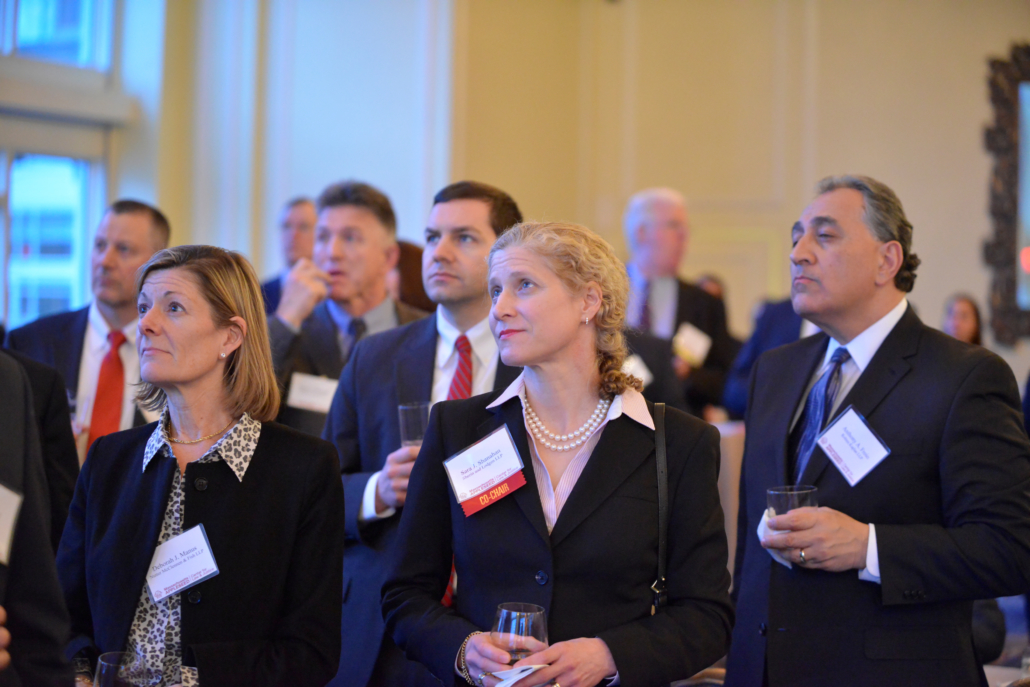
Boston, MA – On March 28, 2019, the Massachusetts Appleseed Center for Law and Justice (“MA Appleseed”) honored Bob Rivers with its 12th annual Good Apple Award. MA Appleseed also celebrated its 25th anniversary with a special cocktail hour, which was followed by the award reception at 6:00 pm in the Wharf Room at the Boston Harbor Hotel. Each year, MA Appleseed presents the “Good Apple” award to someone in the Massachusetts business or legal community who exemplifies the principles of social justice and equal opportunity on which MA Appleseed was itself founded. This year marks the first time that a member of the business community has been honored with the “Good Apple” award. The event, which serves as Massachusetts Appleseed’s annual fundraiser, raises money to support the organization’s program and outreach efforts.

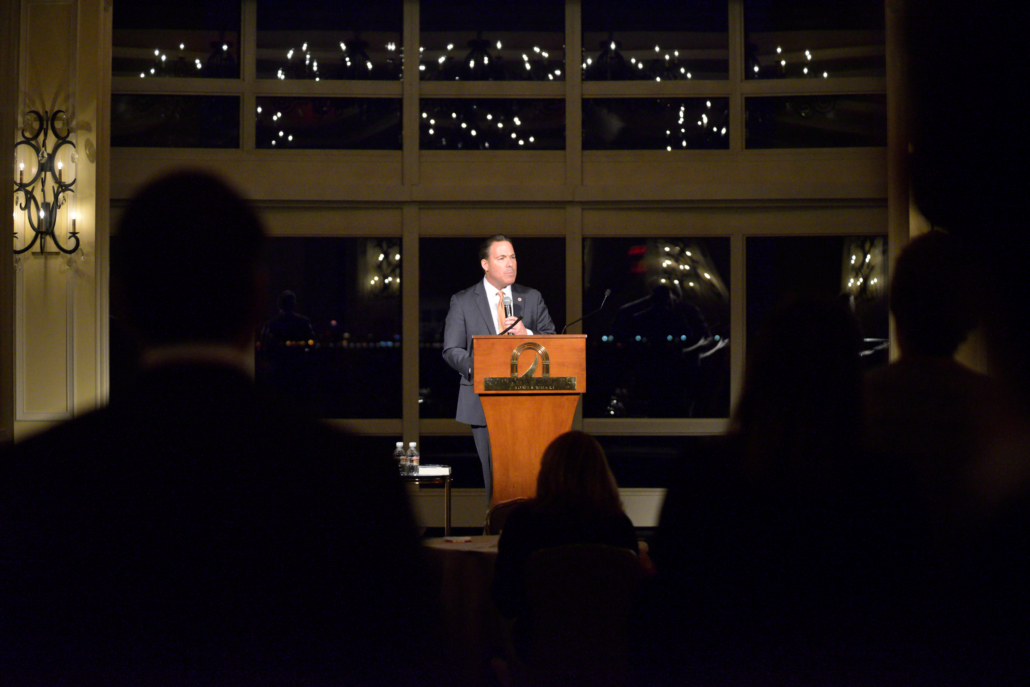
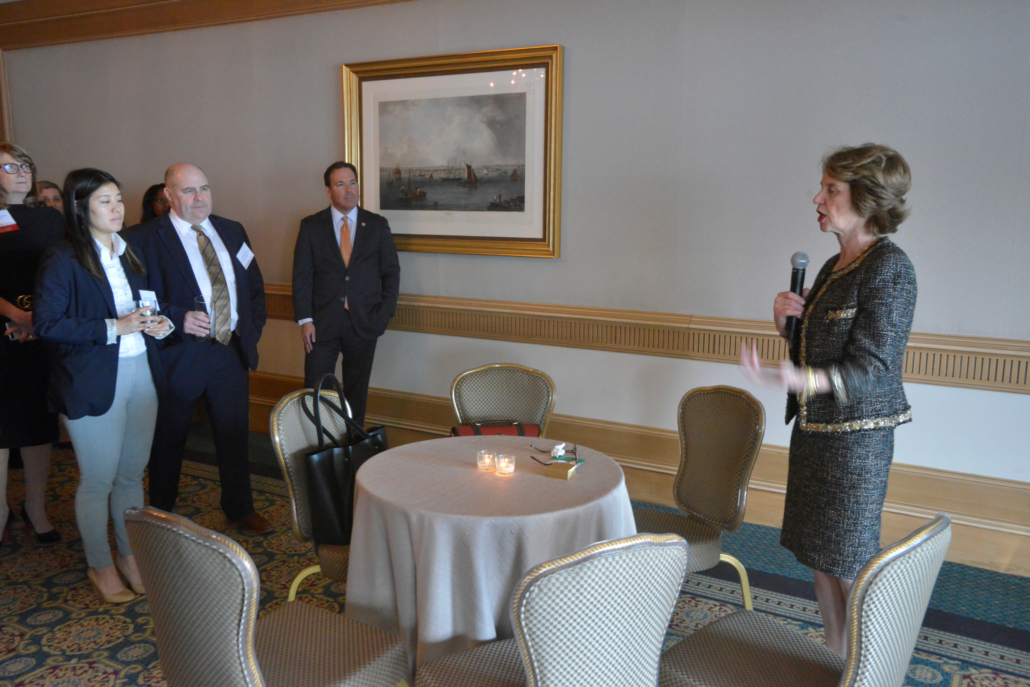
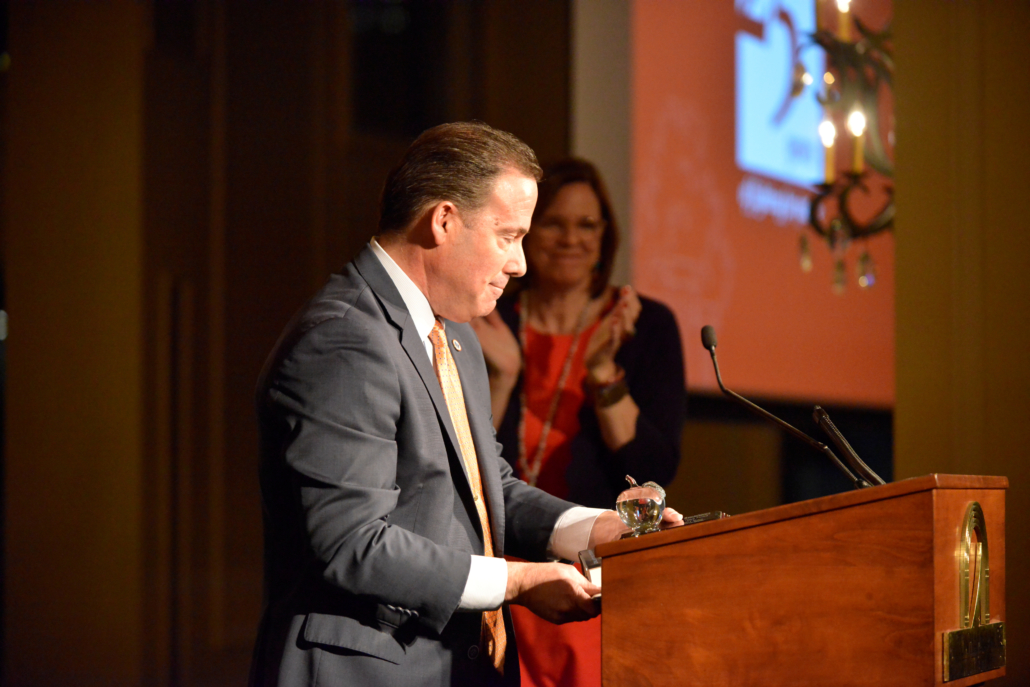
“What a great evening we had, with so many friends and colleagues of our honoree, Bob Rivers, gathered to remind us why he is such an important leader in our community,” said Martha A. Mazzone, chair of the Board of Directors of MA Appleseed. “When Bob addressed the assembled guests, his inspirational words about fairness and speaking truth to power were perfectly aligned with Appleseed’s mission to correct systemic social inequities. Mincing no words, he made it clear that he will never stop being a champion for social justice and putting his words into action wherever he can.”

Rivers is Chair and CEO of Eastern Bank, America’s oldest and largest mutual bank and the largest independent community bank headquartered in Massachusetts with $11 billion in assets and over 115 locations. He is also Chair of the Massachusetts Business Roundtable and The Dimock Center.

“It is a great honor to receive this award from Massachusetts Appleseed, especially as it celebrates its 25th anniversary, and to join the past honorees in promoting equal rights for all,” Bob Rivers said. “I am humbled to be recognized by an organization that understands demonstrating true equal access and opportunity for all people is both a moral and business imperative. Thank you to Massachusetts Appleseed for this very special honor and award presentation.”

Named after the late Senator Robert F. Kennedy, Rivers’ passion for advocating for social justice causes and sustainability issues is the result of a personal and professional journey that began early in his life. He has been recognized by many organizations for his work in championing diversity and social justice, including The Boston Globe, The Partnership, Get Konnected!, Color Magazine, the Massachusetts Immigrant and Refugee Advocacy Coalition (MIRA), the Asian American Civic Association (AACA), Association of Latino Professionals For America (ALPFA), El Planeta, the Massachusetts Transgender Political Coalition, The Theater Offensive, and MassINC.

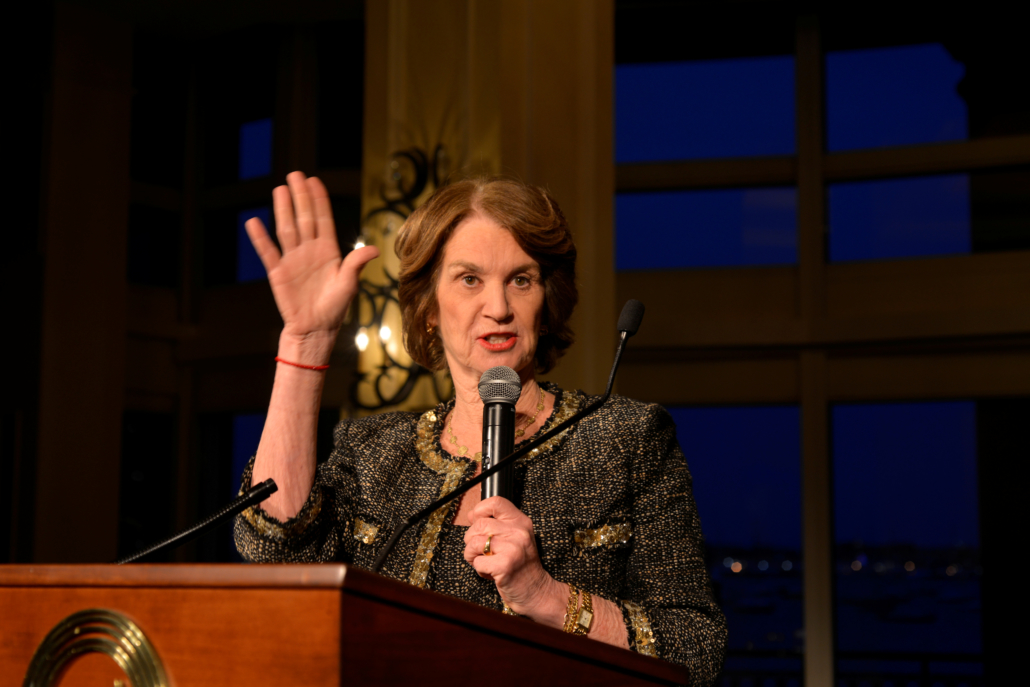
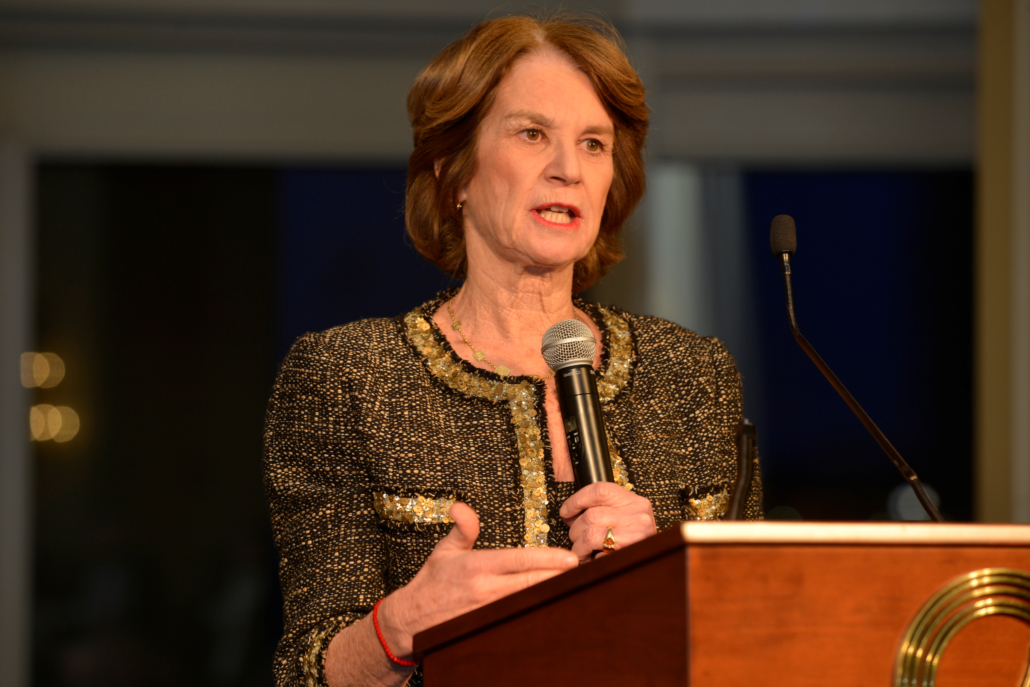
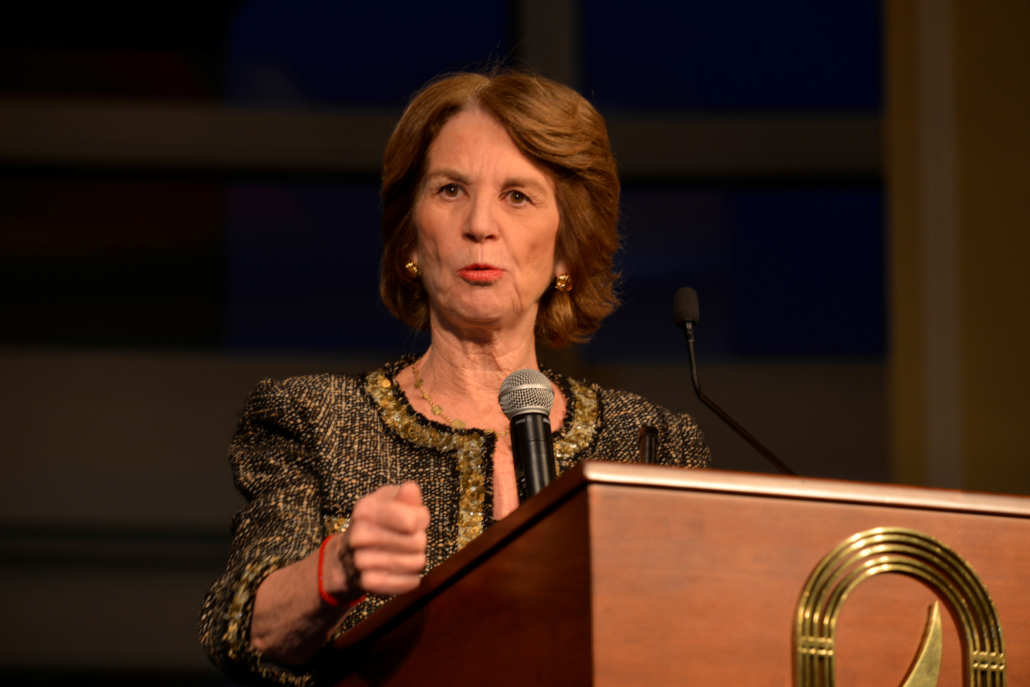
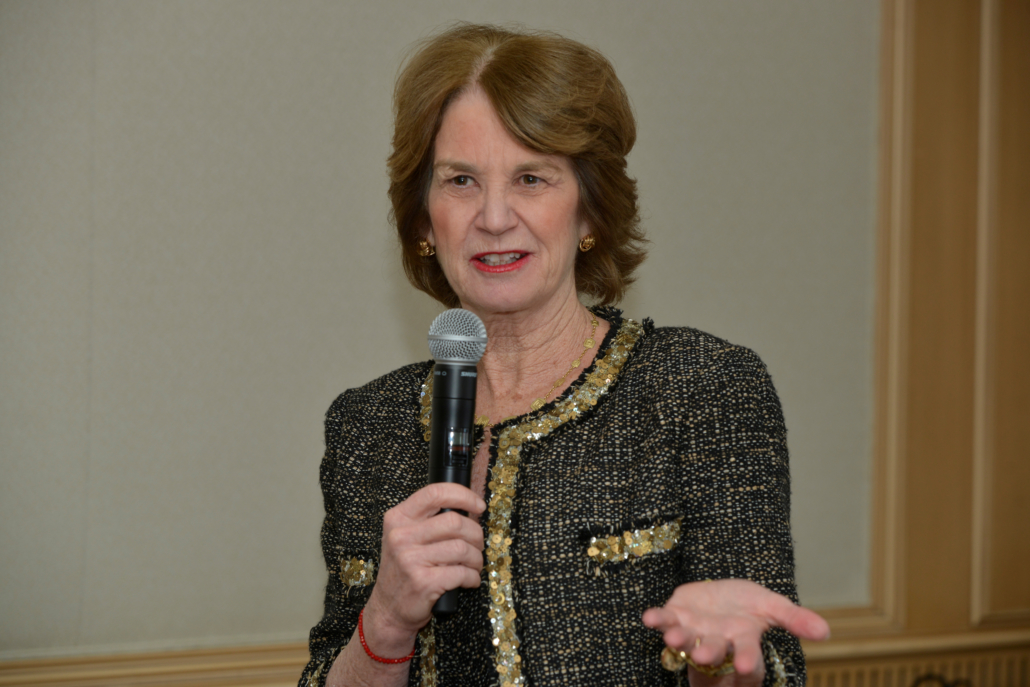
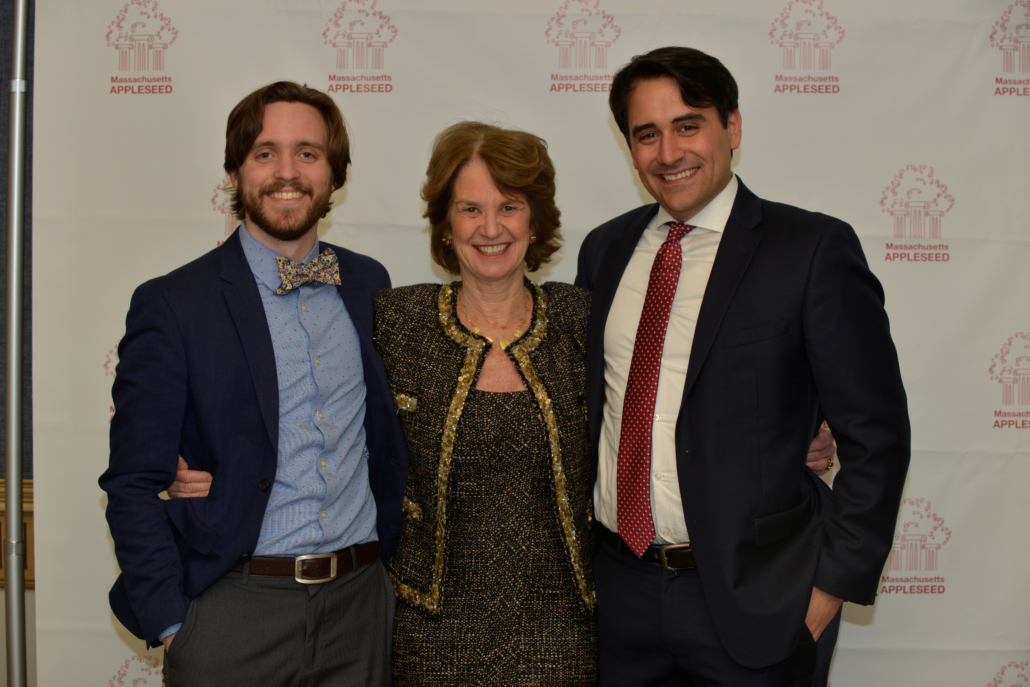
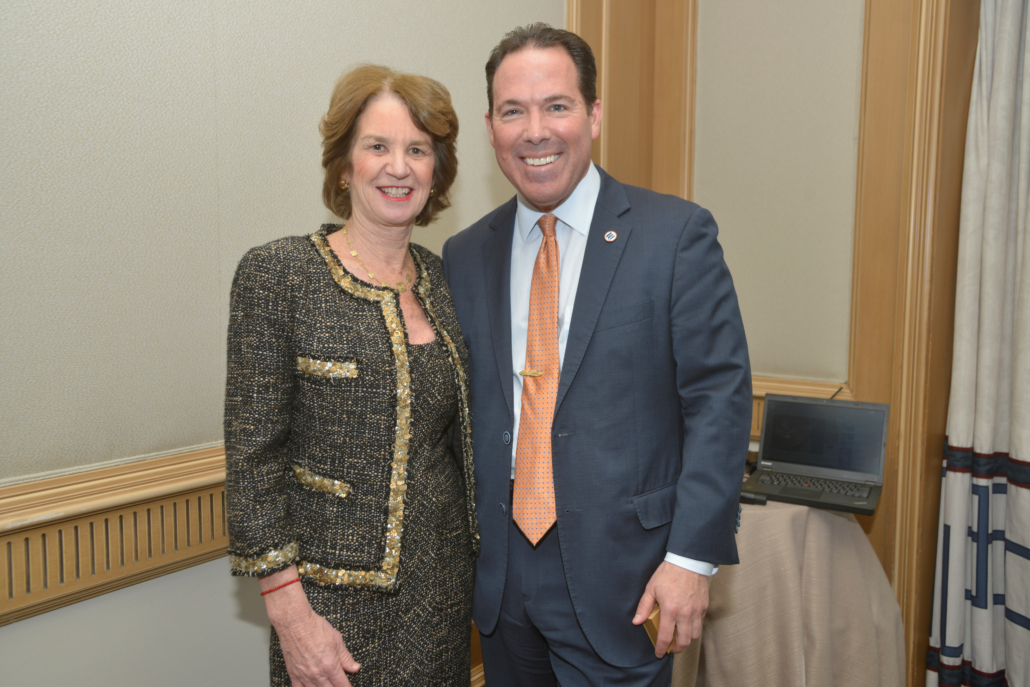
Featured speaker at the event, the Honorable Kathleen Kennedy Townsend, remarked, “As someone named for my father, Robert Kennedy, Bob Rivers certainly bears his legacy well. Bob has an unwavering commitment to the pursuit of social justice and leads Eastern Bank with an extraordinary vision of equity. I am so glad to have been able to help celebrate Massachusetts Appleseed’s 25th anniversary and to present Bob with the Good Apple Award.”

“Bob is a champion of social justice and a force for good in Massachusetts. He represents the absolute best of our corporate community and we couldn’t be happier to present him with the 2019 Good Apple Award,” said Deborah Silva, Executive Director of MA Appleseed.

The Sustainer sponsors of this event include the Board of Directors of Massachusetts Appleseed and Past Good Apple Honorees.

Recent past recipients of the Good Apple award include Senator William “Mo” Cowan, President of Global Government Affairs and Policy at GE; Jonathan Chiel, Executive Vice President and General Counsel of Fidelity Investments; Jeffrey N. Carp, Executive Vice President and Chief Legal Officer of State Street Corporation; Stephanie S. Lovell, Senior Vice President and General Counsel of Blue Cross Blue Shield of Massachusetts; Lon F. Povich, former Executive Vice President and General Counsel of BJ’s Wholesale Club, Inc.; Susan H. Alexander, Chief Legal Officer of Biogen Idec; and Paul T. Dacier, former General Counsel of EMC Corporation (now Dell).

Champion Sponsor

About the Massachusetts Appleseed Center for Law and Justice:

Massachusetts Appleseed’s mission is to promote social justice and equal rights for Massachusetts’ residents by developing and advocating for systemic solutions to issues of systemic inequality.

At Massachusetts Appleseed, we dedicate ourselves to remedying social injustices for at-risk and underserved children, youth, and adults residing within our state. Working with volunteer lawyers, community partners, and others, we identify and address gaps in services and opportunities in areas such as education, homelessness, and the accessibility of the Massachusetts court system. Through in-depth research, consensus building, and community problem solving, we develop powerful solutions for reforming the systems and structures responsible for injustice. Our work seeks to level the playing field and transform communities. Every year we honor someone in the business or legal profession equally committed to these principles through our “Good Apple” award.

Action Alert

The Massachusetts House of Representatives will debate its FY20 budget proposal this week and several key amendments have been filed that still need support! These amendments fill in funding gaps when the amount allocated in the House Committee on Ways & Means’ budget recommendations (released April 10th) fell short of supporting the clear needs of our communities.

Please take a moment and check out a few of our budget priorities below and the amendments Representatives Balser, O’Day, and Khan have filed. Loud and vocal support for these amendments and line items makes all the difference, so please join us and call your State Representative to ensure our elected officials have civil legal aid, youth homelessness, and Massachusetts schools on their list of budget priorities!

Safe and Supportive School Environments

The Safe and Supportive Schools law, passed in 2014, was enacted to make the vision of safe and supportive whole-school cultures that address many barriers to learning a reality. Level funding for the Safe and Supportive Schools Line Item (7061-9612) is critical to continue the Safe and Supportive Schools Grant Program, develop school-wide Action Plans, collect feedback from students, and more. But the House has proposed allocating only $400,000, a decrease from the $500,000 in funding it received last year.

Funding for this line item is necessary to continue expanding and improving strategies and tools so all students are empowered to succeed in school.

Representative Balser has filed Amendment #1099 to provide level funding of $500,000 to ensure adequate funding for these important programs. Please join us in supporting Rep. Balser’s amendment and standing up for students across Massachusetts!

Click here for more information about this issue.

Action You Can Take:

Click here to find your State Representative’s contact information and ask them to support Amendment #1099.

Civil Legal Aid

For low-income Massachusetts residents who are unable to afford an attorney, civil legal aid organizations are often the last place they can turn to when facing eviction, domestic violence, or other life-altering civil legal issues. But the House Committee on Ways & Means provided only $22.5 million for the Massachusetts Legal Assistance Corporation (MLAC) line item (0321-1600).

MLAC is the largest provider of civil legal aid services in the state and without increased funding, civil legal aid programs will be forced to continue to turn away thousands of Massachusetts residents in need and seeking help.

Representative Ruth Balser has filed Amendment #1095 to provide $24 million in funding for legal aid. While still less than MLAC’s request of $26 million, this increase in funding is absolutely critical to ensure access to justice for thousands of vulnerable residents in Massachusetts.

Many representatives are aware of the importance of legal aid, and may support it, but this year, they MUST make it a priority. Your call can be the difference!

Click here for more information about this issue

Action You Can Take:

Click here to find your State Representative’s contact information TODAY and ask them to support Amendment #1095.

Youth Homelessness

Housing and Support Services

Youth homelessness is on the rise in Massachusetts – but the House Committee on Ways & Means has recommended only level funding ($3.3 million) for housing and supportive services for youth experiencing homelessness (line item 4000-0007). Representative Jim O’Day has filed Amendment #883 to increasing funding for these services to $5 million.

When youth experience homelessness, they are at a greater risk of poor health outcomes, exposure to violence, susceptibility to exploitation, and dropping out of school.

This increase in funding is absolutely vital and can help create a sustained, systematic, and effective response to end youth homelessness.

Click here for more information about this issue. 

Action You Can Take:

Click here to find your State Representative’s contact information and ask them to support Amendment #883.

Massachusetts State ID

Government issued identification is necessary to complete many important and daily tasks, such as opening a bank account, enrolling in education programs, getting a library card, entering certain government buildings, and more. But youth experiencing homelessness face several barriers that often prevent them from obtaining ID.

Some service providers for people experiencing homelessness estimate that half of their clients lack identification cards.

While we will continue to advocate for that passage of a refiled bill that would eliminate the barriers that stop youth experiencing homelessness from obtaining ID throughout the year, Representative Kay Khan has filed two amendments addressing this issue now:

  1. The first is Amendment #765 to the Massachusetts Transportation Trust Fund;
  2. The second would add an Outside Section in the FY20 budget.

These amendments would establish a fee waiver process for youth experiencing homelessness, create an alternative application process to apply for state ID if they cannot meet existing criteria, expand the Registry of Motor Vehicles’ (RMV) efforts to better serve people experiencing homelessness, and add $50,000 to the Massachusetts Transportation Trust Fund (line item 1595-6368) in order to offset the RMV’s lost revenue. They are common-sense reforms that will help ensure youth experiencing homelessness are able to access the resources they need.

Click here for more information about this issue.

Action You Can Take

Click here to find your State Representative’s contact information and ask them to support Amendment #765 and Rep. Khan’s outside section.


Ensuring these amendments are included in the House proposed budget will set us up for success when it comes time for the Legislature to finalize a budget to send to Governor Baker. Please call your State Representative and urge them to include civil legal aid and support for Massachusetts students and youth experiencing homelessness in their FY20 funding priorities. Your advocacy is vital this time of year, and I want to thank you for your continued commitment to our work!


Want to stay informed on the latest issues Massachusetts Appleseed is working on?
Sign up for future action alerts.
Action Alert

Along with spring showers, the state budget season has arrived! This is the critical time of year when the state legislature makes important decisions about which services and programs to invest in and at what levels. The state budget is a statement of our values as a Commonwealth. In it we find the answers to questions like: Do we care about our most vulnerable residents? Are our legislators willing to invest in solutions and services for low-income families and individuals and youth experiencing homelessness?

Join us in fighting to make sure our elected officials have civil legal aid and youth homelessness on their list of budget priorities. For so many, this budget will determine if they will be able to stave off eviction, find shelter, achieve stability, and more in 2020.

On Wednesday, the House Committee on Ways & Means released its budget recommendations for FY20. Representatives are now busy filing amendments for various line items. Check out our focus areas below and what you can do to help.

Civil Legal Aid

Massachusetts Legal Assistance Corporations (MLAC) requested $26 million in state support for 2020, but the House Committee on Ways & Means allocated only $22.5 million. For low-income Massachusetts residents who are unable to afford an attorney, civil legal aid organizations are often the last place they can turn to when facing eviction, domestic violence, or other life-altering civil legal issues.

MLAC is the largest provider of civil legal aid services in the state and without increased funding, civil legal aid programs will be forced to continue to turn away thousands of Massachusetts residents in need and seeking help.

Representative Balser has filed an amendment to allocate $24 million for legal aid. This increase in funding is absolutely critical to ensure access to justice for thousands of vulnerable residents in Massachusetts.

Many representatives support legal aid, but we need them to make it a priority for the FY20 budget, and they’ll only do that if they hear from you!

Click here for more information about this issue

Action You Can Take:

Click here to find your State Representative’s contact information TODAY and ask them to co-sponsor Rep. Balser’s MLAC Amendment and directly communicate their support for the amendment to Speaker DeLeo and House Ways & Means Chair Michlewitz.

Youth Homelessness

Housing and Support Services

Youth without homes can’t wait, but the House Committee on Ways & Means has recommended level funding of $3.3 million for housing and supportive services for youth experiencing homelessness (line item 4000-0007). Representative O’Day will be filing an amendment to raise this funding to $5 million – a much needed increase.

When youth experience homelessness, they are at a greater risk of poor health outcomes, exposure to violence, susceptibility to exploitation, and dropping out of school.

In the wake of reports of youth homelessness in Massachusetts on the rise, expanding funding to provide housing and support services throughout the state is absolutely vital. This increase in funding can build off the work of previous years and help create a sustained, systematic, and effective response to end youth homelessness.

Click here for more information about this issue. 

Action You Can Take:

Click here to find your State Representative’s contact information and ask them to co-sponsor Rep. O’Day’s amendment by contacting his office before 3 p.m. today!

Massachusetts State ID

State ID is necessary to complete many important and daily tasks, such as opening a bank account, enrolling in education programs, getting a library card, entering certain government buildings, and more. But youth experiencing homelessness face several barriers that often prevent them from obtaining it.

Some service providers for people experiencing homelessness estimate that half of their clients lack identification cards.

Throughout 2018, we fought for a bill that would eliminate the barriers that stop youth experiencing homelessness from obtaining ID, and while it didn’t pass, it has been refiled this year and we will continue to advocate for its passage in 2019.

However, Representative Khan has gone one step further and filed two amendments addressing this issue, both of which draw from the bill:

  1. The first is an amendment to the Massachusetts Transportation Trust Fund (line item 1595-6368);
  2. The second would add an outside section in the FY20 budget.

These amendments would establish a fee waiver process for youth experiencing homelessness, create an alternative application process to apply for state ID if they cannot meet existing criteria, expand the Registry of Motor Vehicles’ (RMV) efforts to better serve people experiencing homelessness, and add $50,000 to the Massachusetts Transportation Trust Fund (line item 1595-6368) in order to offset the RMV’s lost revenue. They are common-sense reforms that will help ensure youth experiencing homelessness are able to access the resources they need.

Click here for more information about this issue.

Action You Can Take

Click here to find your State Representative’s contact information and ask them to co-sponsor Rep. Khan’s amendment and outside section.


Thank you for joining us for this first stage of the budget process and advocating for these important amendments and increases in funding. Please call your State Representative and urge them to include civil legal aid and support for youth experiencing homelessness in their FY20 funding priorities. With your help, we can start this budget season off right!


Want to stay informed on the latest issues Massachusetts Appleseed is working on?
Sign up for future action alerts.
Honoring Robert F. Rivers, Chair and CEO of Eastern Bank

On March 28, 2019, the Massachusetts Appleseed Center for Law and Justice (“MA Appleseed”) honored Robert F. Rivers with its 12th annual Good Apple Award. Each year, MA Appleseed presents the “Good Apple” award to someone in the Massachusetts business or legal community who demonstrates the principles of social justice and equal opportunity that MA Appleseed was itself founded on. The event, which serves as Massachusetts Appleseed’s annual fundraiser, raises money to support the organization’s program and outreach efforts.
2019 Good Apple Award Recipient (PDF)
2019 Good Apple Invitation (PDF)

By Jake Hofstetter | Research and Policy Associate

In the wake of the massacres in Parkland, Florida and Santa Fe, Texas, the Trump administration proposed several steps, such as arming teachers, to improve school safety. In addition to these proposals, the Secretary of Education Betsy DeVos and her Commission on School Safety released a report that also contained an unrelated policy change — rescinding the Obama administration’s school discipline reforms. Doing away with this policy doesn’t decrease the chances of school shootings. It doesn’t make schools safer. But it does allow schools to discipline students more freely and without considering the harm and racial discrimination that occurs when kids are removed from class.

The Obama administration’s school discipline recommendations were a step in the right direction. The 2014 guidelines recommended school administrators use removals from class or school less frequently due to the harm caused to students’ academic performance. Besides the lack of evidence showing removals improved behavior, these practices were (and still are) having a disproportionate impact on minority students and those with disabilities. To take the place of removals from class, the Obama guidelines encouraged more restorative discipline practices. These policies focused on students’ social and emotional well-being in order to foster safe, nurturing schools. To enforce these guidelines, the Obama administration warned of investigations into schools with serious racial disparities in discipline. Despite the evidence against harsh school discipline practices, the Secretary DeVos’ Commission cancelled the Obama guidelines, citing concerns for school safety and local control over education. School safety matters of course, but there’s something willfully old-fashioned in the administration’s desire to allow harmful school discipline practices to continue for the sake of “maintaining order.”

Admittedly school discipline may seem straightforward and uncontroversial to a lot of Americans. A student breaks the rules, his or her name gets called over the loudspeaker to report to the principal’s office, and the student gets punished. Yet the type of punishment matters a lot. Taking students out of class through detention or suspension harms their chances at academic success. Plus, there’s evidence the practice doesn’t stop misbehavior. We also shouldn’t delude ourselves into thinking that disciplining students is neutral. Black and Latino students are disciplined at greater rates than their white peers even when controlling for poverty and discipline type. Without the threat of federal investigation, there’s no way to tell how school districts across the country will respond. The Obama guidelines may have converted some districts to more effective discipline approaches, but others may return to harmful practices that will lead to worse outcomes for minority, disabled, and LGBT students.
Even though we can’t guarantee what will happen in schools across the country, Massachusetts can continue this important work. The Massachusetts Department of Elementary and Secondary Education deserves praise and recognition for its commitment to the principles laid out in the Obama administration’s guidelines despite the new stance of the federal government. Massachusetts Appleseed will also remain committed to our efforts to reform school discipline practices and disrupt the school-to-prison pipeline. Through our Keep Kids in Class project, Massachusetts Appleseed has provided know-your-rights guides for parents, advocated for less exclusionary discipline practices in schools, and published original research on the state of school discipline across Massachusetts. Despite changes in Washington D.C., we remain dedicated to removing barriers to access to public education and supporting at-risk youth to keep kids in class where they are safe, supported, and free to learn.
 

Want to stay informed on the latest issues Massachusetts Appleseed is working on?
Sign up for our mailing list.

Robert F. Rivers, Good Apple Award Recipient

Save the Date!

March 28, 2019
6:00 pm Reception
7:00 pm Award Ceremony
Boston Harbor Hotel, Wharf Room

12th Annual Good Apple Award

On Thursday, March 28th 2019 Massachusetts Appleseed will host its 12th annual Good Apple reception at the Boston Harbor Hotel. We are pleased to announce that this year’s recipient of the Good Apple Award will be Robert F. Rivers, Chair and CEO of Eastern Bank.

The Good Apple Award is presented annually to one member of our Massachusetts business or legal community who exemplifies MA Appleseed’s commitment to public service, fairness, and social justice. Throughout his career, Bob has demonstrated his devotion to standing up for our most vulnerable communities. In his role as a civic leader, he inspires profound and positive change.

Bob is Chair and CEO of Eastern Bank, America’s oldest and largest mutual bank and the largest independent community bank headquartered in Massachusetts with $11 billion in assets and over 120 locations. He is also Chair of the Massachusetts Business Roundtable and the Dimock Center.

Bob is involved extensively in the community, serving on the Board of Directors of the Greater Boston Chamber of Commerce, Jobs for Mass, and The Lowell Plan. He also is a member of the Board of Trustees of Stonehill College, the Northern Essex Community College Foundation,

the Board of Corporators of Lowell General Hospital, the Advisory Boards of the Lawrence Partnership and JFK Library Foundation, and is a member of the City of Boston’s Women’s Workforce Council, in addition to providing support and guidance to numerous other non-profit organizations. Bob has been named among the Top 10 “Most Influential People in Boston” by Boston Magazine, and to the Boston Business Journal Power 50 list for the last three years.

Named after the late Senator Robert F. Kennedy, Bob’s passion for advocating for social justice causes and sustainability issues is the result of a personal and professional journey that began early in his life. Bob has been recognized by many organizations for his work in championing diversity and social justice, including The Boston Globe, The Partnership, Get Konnected!, Color Magazine, the Massachusetts Immigrant and Refugee Advocacy Coalition (MIRA), the Asian American Civic Association (AACA), Association of Latino Professionals For America (ALPFA), El Planeta, the Massachusetts Transgender Political Coalition, The Theater Offensive, and MassINC.

For sponsorship opportunities or tickets, click here. Please contact Madeline Poage at madeline@massappleseed.org with any questions.


Save the Date (PDF)

2019 Good Apple Award Recipient (PDF)