Expanding access to justice is only possible through strong partnerships. At Massachusetts Appleseed, our pro bono partners play a critical role in advancing our mission by helping us strengthen critical legal resources and create lasting systemic change across the Commonwealth. 

This year, we are proud to recognize Baker McKenzie with the 2026 Pro Bono Award at the Good Apple Awards Reception on October 29, in recognition of the firm’s longstanding commitment to expanding access to reliable legal information for young people experiencing homelessness. 

Following their mantra “Teaming for Impact,” Baker McKenzie has been an invaluable pro bono partner to Massachusetts Appleseed, dedicating its time and legal expertise to updating the Massachusetts Homeless Youth Handbook, a free legal resource that empowers young people with the knowledge they need to understand and assert their rights. Beyond its partnership with Massachusetts Appleseed, Baker McKenzie has demonstrated an unwavering commitment to pro bono service on a national and global scale, partnering with legal aid organizations, nonprofits, and Appleseed Centers across the country to advance access to justice for underserved communities. 

Most recently, a cross-practice team of Baker McKenzie volunteers across North America partnered with the Campaign for the Fair Sentencing of Youth on its Not a Monolith: Perspectives from Survivors of Youth Violence report. The team helped conduct interviews, develop profiles, and draft and finalize the report, which elevates the perspectives of survivors of youth violence and explores restorative justice, rehabilitation, and community-led approaches to healing. 

That same commitment to leveraging legal expertise in service of young people is reflected in Baker McKenzie’s longstanding partnership with Massachusetts Appleseed. Since 2020, Baker McKenzie attorneys and legal professionals have provided critical pro bono support to the Massachusetts Homeless Youth Handbook, reviewing and updating legal content to help ensure the Handbook remains accurate, accessible, and responsive to the evolving needs of young people across the Commonwealth. 

Notably, Baker McKenzie attorneys have continued this commitment by updating the Immigration & Undocumented Youth and Employment chapters of the Handbook. This information is especially timely and can have a significant impact on the lives of young people. 

As Jaclyn Pampel, Partner and Director of North America Pro Bono, reflects: 

“Pro bono service is about using our legal expertise where it can have the greatest impact. Addressing youth homelessness requires collaboration across sectors and we’re honored to partner with Massachusetts Appleseed to provide legal resources that empower young people and strengthen the network of support surrounding them.”   

 – Jaclyn Pampel  

We are deeply grateful for Baker McKenzie’s enduring partnership and unwavering commitment to advancing justice for young people across Massachusetts. 

We hope you’ll join us to celebrate Baker McKenzie’s remarkable contributions, along with the other 2026 Good Apple Award honorees.  See details below! 

Good Apple Awards Reception 

Thursday, October 29, 2026, from 6:00–8:00 PM 

Winthrop Center in Boston  

Get your tickets at:  massappleseed.org/goodapple  

Learn about sponsorship opportunities and benefits at: massappleseed.org/goodapple 

Every day, schools make decisions about how to respond when challenges arise- when a student disrupts class, misses school, or experiences interpersonal conflict. These moments are often treated as routine disciplinary matters and assumed to be resolved through removal or other surface-level responses, despite being more complex and rooted in underlying needs or harms. 

Too often, responses fail to meaningfully address root causes and can perpetuate the original harm. How schools respond in these moments shapes a student’s relationship with education and determines whether schools function as a source of support or as another system of exclusion.


Massachusetts has taken steps to limit exclusionary discipline, acknowledging that removing students from the classroom undermines their ability to learn. State policy reinforces this by requiring schools to make meaningful efforts to implement alternatives before resorting to removal. Yet policy has not fully shifted practice. Incidents of conflict or disruption are often still treated as routine disciplinary issues and managed through removal or other limited responses, rather than as complex situations requiring meaningful intervention. For many young people, discipline operates less as a moment of accountability and more as a point of disconnection. Even when alternatives exist, exclusion often remains the default–especially in schools that lack the structure, capacity, or resources to implement different responses. 


When meaningfully implemented, restorative justice offers another way forward. At its core, restorative justice shifts the focus of discipline from punishment to repair. Rather than asking only what rule was broken and what consequence should follow, restorative approaches ask what harm occurred, who was affected, and what is needed to rebuild trust. This approach recognizes that accountability does not have to come through removal. It can happen through dialogue, relationship-building, and meaningful opportunities for students to take responsibility and remain part of their school community. 


The principles and purpose of restorative justice have been widely recognized by schools across Massachusetts, many of which have begun implementing restorative practices to improve school climate, strengthen relationships, and reduce suspensions. These efforts reflect meaningful progress. At the same time, implementation varies widely and is often constrained by limited resources and capacity, which can position these practices as supplementary rather than foundational. 


The consequences of relying on punitive responses rather than meaningful intervention extend beyond the classroom. When young people’s needs are not addressed early through supportive, community-based approaches, challenges can escalate and lead to deeper system involvement. Data from the Juvenile Justice Policy and Data Board’s 2025 Annual Report shows that nearly two-thirds of juvenile cases are ultimately dismissed, raising questions about whether formal system involvement was the most appropriate response in many instances. Despite this, Massachusetts has continued to see increased use of youth arrests and pretrial conditions (Juvenile Justice Policy and Data Board, 2026). Together, these trends highlight the need to examine how schools, communities, and systems can intervene earlier to support young people before challenges escalate into justice system involvement. 


Schools are a key point of entry into this broader landscape. When discipline relies on exclusion or disengagement, it can contribute to patterns of disconnection that extend beyond the classroom. What begins as a school-based response can quickly become something larger: another system a young person must navigate.


Restorative justice interrupts that pattern by shifting how schools respond in the first place. When it is used early and consistently, it keeps students connected, creates space to address underlying challenges, and reduces the need for more formal interventions later on. In this way, restorative justice is not simply an alternative to discipline. It is part of what makes meaningful access to education possible.


Massachusetts Appleseed’s work on educational justice reflects this broader understanding. In its report, “I Just Want to Learn”: Girls of Color and the School-to-Prison Pipeline in Massachusetts, Appleseed centered the voices of girls of color, who emphasized the importance of meaningful restorative justice practices in schools to create more supportive and equitable learning environments. Whether addressing school discipline, access to information, or pathways into the legal system, the focus remains the same: systems should support young people, not push them further into crisis.


Reimagining discipline means treating restorative justice not as an add-on but as a foundation. When it is positioned upstream, before exclusion occurs, it becomes more than a response to harm. It becomes a necessary condition of educational justice. 

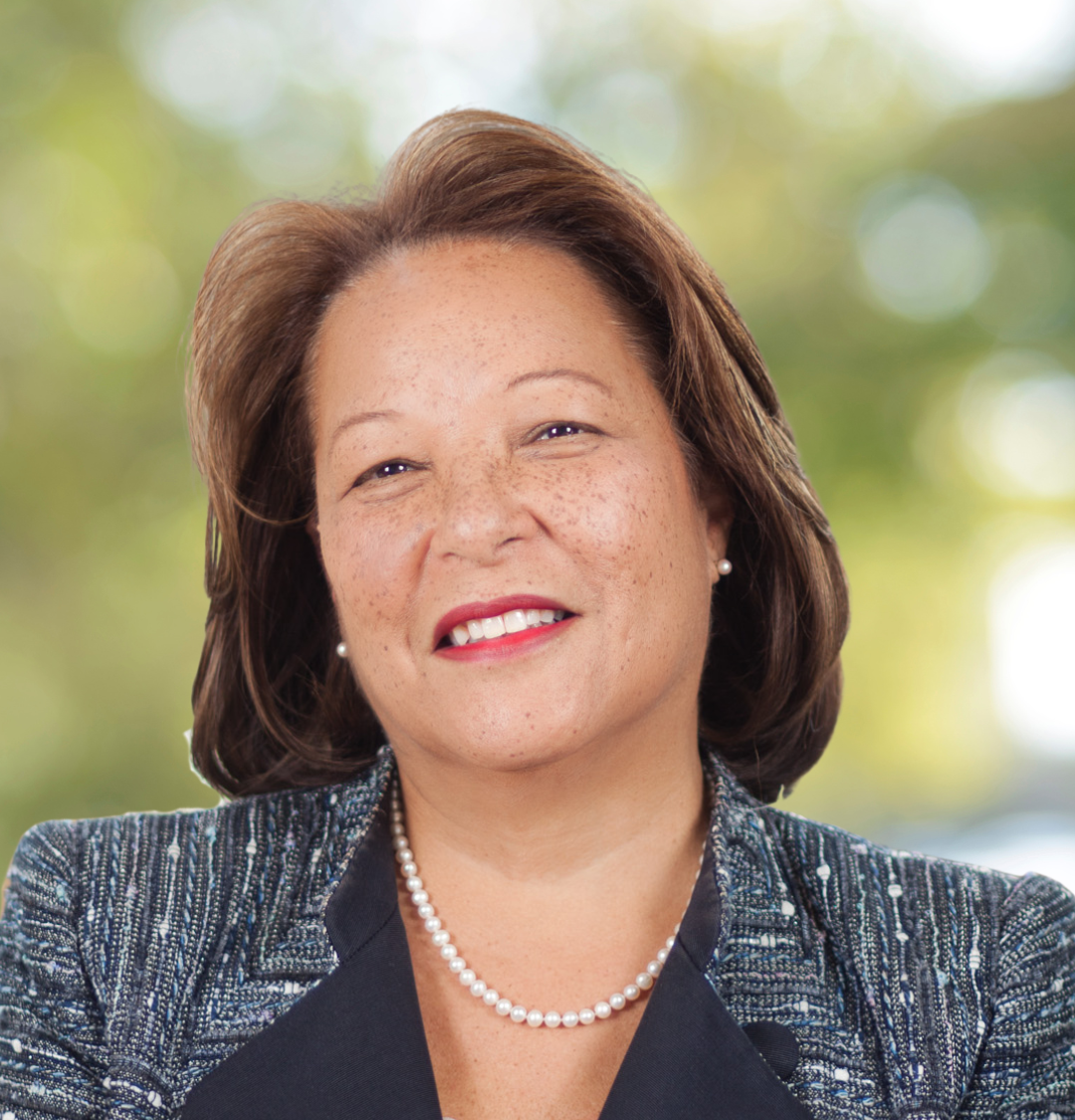
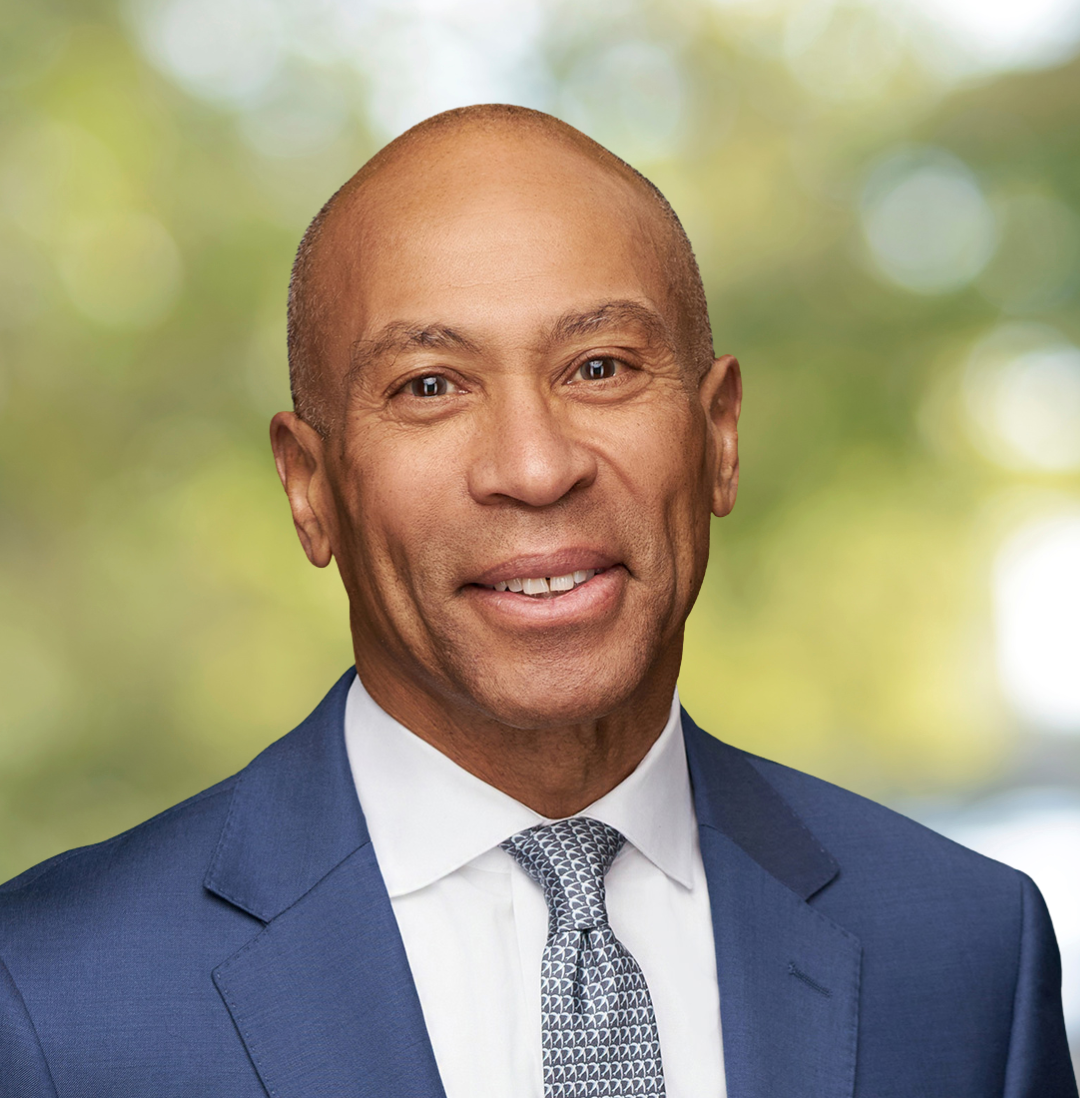
The Massachusetts Appleseed Center for Law and Justice is proud to announce that Diane Patrick and Former Massachusetts Governor Deval Patrick along with Former U.S. Senator William “Mo” Cowan will return as Honorary Co-Chairs for the 2026 Good Apple Awards Reception on October 29, 2026.  The Good Apple, Massachusetts Appleseed’s signature annual event, celebrates leaders who advance legal access, equity, and opportunity across the Commonwealth. The Honorary Co-Chairs along with the Host Committee serve as ambassadors for the event. 

“I’ve long admired Massachusetts Appleseed’s ability to work across sectors to tackle our state’s most pressing challenges. It’s a privilege to once again serve as an Honorary Co-Chair along with my dear friends Diane and Deval and recognize those whose leadership is expanding access to justice and opportunity.” — Former U.S. Senator Mo Cowan 

Ranjini Govender Dowley, President & Executive Director of Massachusetts Appleseed, noted, “We are deeply grateful to Diane, Deval, and Mo for once again lending their leadership and support to the Good Apple Awards. Their lifelong commitment to public service and expanding opportunity reflects the very values that Massachusetts Appleseed seeks to advance every day.” 

Former U.S. Senator Mo Cowan, the Good Apple Award recipient in 2018, currently serves as the Chief Legal and External Affairs Officer at Devoted Health.  Senator Cowan served as Chief of Staff and Chief Legal Counsel to Governor Deval Patrick, before Patrick appointed him to fill the U.S. Senate seat vacated by John Kerry. Cowan became only the second African American to represent Massachusetts in the Senate. His career spanning public service, law, and business along with his continued support of Massachusetts Appleseed’s mission, makes him a valued member of this year’s Honorary Host Committee. 

Diane Patrick has long been recognized for her civic leadership and commitment to advancing opportunities for children and families across Massachusetts. Throughout her years of public service, she championed efforts to raise awareness of sexual assault and domestic violence. She currently serves as Co-Vice Chair of Massachusetts General Hospital and President of the Board of Trustees of the Epiphany School, an independent school in Boston serving children from economically disadvantaged backgrounds.  

Governor Patrick has dedicated his career to advancing civil rights through a lifetime of leadership and public service. He served as Assistant Attorney General for the U.S. Department of Justice Civil Rights Division under President Bill Clinton before serving as the 71st Governor of Massachusetts from 2007 to 2015. Following his time in public office, he became a founding partner of Bain Capital Double Impact, Bain Capital’s impact investing fund, and currently serves as a Senior Partner at The Vistria Group. He also serves on the Board of Directors of the Obama Foundation and remains actively engaged with Harvard Kennedy School. 

The 2026 Good Apple Awards Reception will honor three outstanding leaders whose work reflects Massachusetts Appleseed’s mission of advancing access to justice and creating systemic change. 

Laura Peabody, Chief Legal Officer and General Counsel at Mass General Brigham, will receive the 2026 Good Apple Award. The 2026 Pro Bono Award will go to Baker McKenzie in recognition of its long-term partnership with Massachusetts Appleseed in service to young people across the Commonwealth. The Community Leadership Award will be presented to Lisa Goldblatt Grace, Co-Founder and Former Co-Executive Director of My Life My Choice, and a world-renowned expert and leader in combating the sexual exploitation of adults and children. Learn more about these outstanding awardees. 

Tickets and sponsorship information can be found online at: https://massappleseed.org/goodapple.   

2026 Honorary Co-Chairs

Former U.S. Senator Mo Cowan, Diane Patrick, and Former Governor Deval Patrick

2026 Host Committee 

Alison Douglass (Goodwin), Carolin Hetzner, Chris Hoyle (StoneTurn), David Feinberg (Feinberg Hanson LLP), Devin Cohen (Proskauer), John Shutkin (MA Appleseed Board Chair), Lyndsey Stults (Nelson Mullins Riley & Scarborough LLP), Marty Mazzone (Milken Institute), McKenzi Baker (Ropes & Gray), Melanie Todman (Mass General Brigham), Timothy M. McCrystal (Ropes & Gray LLP), and Wesley Gee (WHOOP)


### 


About The Good Apple Awards Reception  

The Good Apple Awards Reception will take place at the Winthrop Center in Downtown Boston on Thursday, October 29, 2026 from 6:00 to 8:00 pm. If you are interested in learning more about the event, sponsorship opportunities, and this year’s awardees, please contact Ranjini Govender Dowley, Massachusetts Appleseed Center for Law and Justice President & Executive Director at Ranjini@massappleseed.org, 315-430-5256.