When I began my summer at Massachusetts Appleseed Center for Law and Justice, I set out to examine youth-serving systems across Massachusetts, including education, juvenile justice, housing, and mental health. My goal was to understand how each influences outcomes for young people, with a focus on identifying the most significant and deeply entrenched barriers to justice that shape their experiences. It quickly became clear, however, that these systems cannot be understood in isolation.


The same patterns surfaced across domains, often affecting the same young people. A student excluded from school was more likely to come into contact with the juvenile legal system. A young person exiting foster care often faced immediate housing instability. Youth navigating mental health needs did so while moving between schools, courts, and service providers that operated independently of one another.


What initially appeared to be a series of distinct system challenges began to point to a shared condition: fragmentation. The question shifted from where individual systems were falling short to how their lack of connection shapes outcomes in the first place.


Across education, housing, mental health, and juvenile justice, a consistent dynamic emerged. Systems operate in parallel rather than in coordination. Eligibility requirements shift across agencies, and information about rights, services, and pathways forward is often difficult to access or communicated inconsistently. Even our understanding of these systems reflects this fragmentation: data is often siloed, making it difficult to see how young people move across systems over time or how experiences in one domain shape outcomes in another.


Over time, what began as a landscape analysis evolved into an examination of fragmentation itself as a structural barrier. The issue is not only what systems provide, but how their disconnection shapes who is able to access those supports at all.


You can read more about the research behind these findings in the white paper here. 


Addressing fragmentation requires more than improving individual programs or services. It requires understanding how systems connect, where transitions break down, and how young people experience these structures in practice.


This work has deepened my interest in the intersection of policy, design, and implementation, particularly in how systems can be structured not only to deliver services but also to ensure those services are truly accessible, navigable, and effectively coordinated in practice.


Because the issue is not only what systems offer. It is whether young people can move through them in ways that create stability rather than reinforce fragmentation.


Too often, they cannot.


Bio: Kate Bishop is a rising senior at Boston College and a Gabelli Presidential Scholar studying Transformative Education and Sociology, with a minor in Restorative Justice. As a summer fellow at the Massachusetts Appleseed Center for Law and Justice, she supports legal rights education and advocacy initiatives.
The annual Good Apple Awards Reception celebrates the inspiring achievements of those working to advance equity, opportunity, and justice across Massachusetts.    

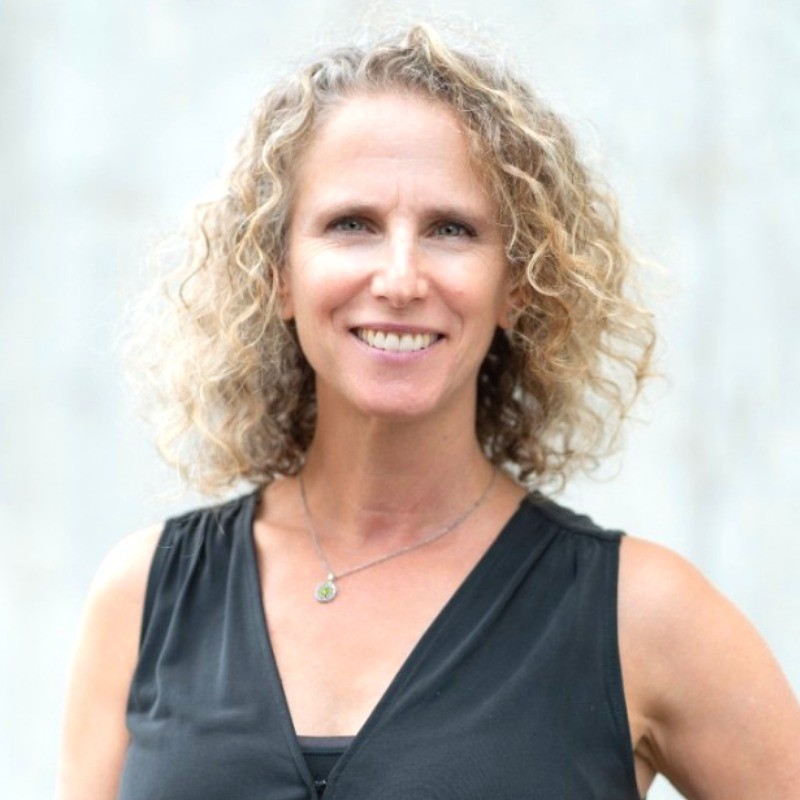
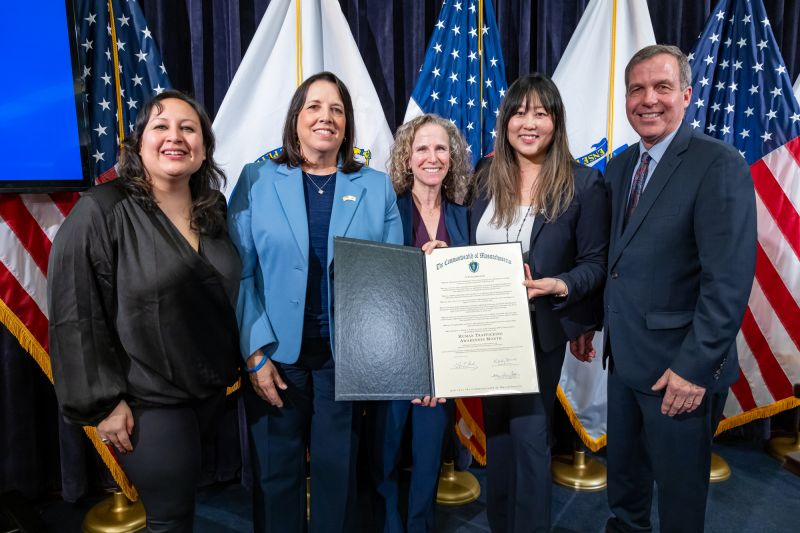
At this year’s event on October 29th, we will honor Lisa Goldblatt Grace with the 2026 Community Leadership Award, in recognition of her extraordinary leadership and unwavering commitment to improving the lives of young people across the Commonwealth.

Lisa has led groundbreaking and nationally recognized efforts at the intersection of youth homelessness, exploitation, and access to opportunity. Through advocacy, prevention, survivor-centered programming, and policy reform, she has helped strengthen the systems that protect some of Massachusetts’ most marginalized young people.

Lisa has been a strategic partner with Mass Appleseed, providing critical insight into various sections of the Homeless Youth Handbook as it pertained to sexual exploitation and human trafficking. This work involved providing substantive edits to the Handbook to ensure that its content is accurate and accessible to a wide audience, as well as connecting Mass Appleseed with youth who provided their feedback about the usability and substance of the Handbook.

As the Co-Founder and former Co-Executive Director of My Life My Choice and Massachusetts’ first Statewide Anti-Human Trafficking

Director, Lisa has spent more than three decades working alongside young people impacted by exploitation, trafficking, poverty, and systemic inequities. From leading a shelter for teen parents to co-leading the development of Massachusetts’ five-year strategic plan to combat sex trafficking, her career has been defined by a commitment to both direct service and lasting systems change.

In fact, the Healey-Driscoll Administration adopted the five-year strategic plan to address human trafficking in the Commonwealth, which Lisa helped lead alongside partners across the state. The Administration then hired her to implement this unprecedented collaboration among every branch and office of state government, service providers, researchers, and law enforcement.

“This work isn’t about one organization or one agency. It’s about creating lasting systems that continue to serve people better long into the future, especially young people experiencing homelessness who often face overlapping challenges and vulnerabilities.” – Lisa


We hope you’ll join us to celebrate Lisa’s remarkable contributions, along with the other 2026 Good Apple Award honorees.

Get your tickets at:  massappleseed.org/goodapple 


Good Apple Sponsors help ensure that Mass Appleseed has the resources it needs to help people access justice every day, in every community.

Sponsors receive complimentary tickets and recognition at the event as well as additional benefits and visibility throughout the year. Please consider becoming a Good Apple sponsor now and join us in celebrating our accomplishments and honoring our awardees on October 29.

Learn about sponsorship opportunities and benefits at: massappleseed.org/goodapple

We need your partnership. Together, we can continue expanding legal rights education, advancing systemic reforms, and building a Commonwealth where every young person can thrive.

Thank you in advance for your generosity and support.

Every Good Apple Awards Reception brings together leaders, advocates, and supporters who share a commitment to promoting equity and opportunity across Massachusetts.  

This year, we’re thrilled to announce the three awardees who will be honored at the Good Apple Awards Reception on Thursday, October 29th.

2026 Good Apple Award  

Laura Peabody, Chief Legal Officer and General Counsel, Mass General Brigham. Throughout her distinguished career, Laura has championed equity and access in healthcare while dedicating her time and leadership to organizations advancing legal advocacy, education, and social justice. 


2026 Pro Bono Award 

Baker McKenzie, A global law firm and longstanding, invaluable Massachusetts Appleseed partner, Baker McKenzie has played a foundational role in supporting the Massachusetts Homeless Youth Handbook, helping expand access to practical legal resources for young people across Massachusetts. 

2026 Community Leadership Award 

Lisa Goldblatt Grace, My Life My Choice Co-Founder and Massachusetts Statewide Anti-Human Trafficking Director. For more than three decades, Lisa has been a powerful advocate for young people impacted by exploitation, trafficking, poverty, and systemic inequity. 


Join us for the Good Apple Awards Reception on Thursday, October 29, 2026 from 6:00 – 8:00 pm at the Winthrop Center in Downtown, Boston. 

With your help, we will continue to expand equitable access to critical legal rights education, advance systemic policy reforms, and help remove barriers facing vulnerable communities across Massachusetts.